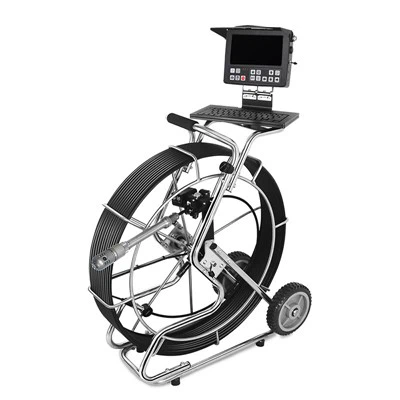
Drain cameras play a crucial role in inspecting and assessing the condition of drains, sewers, and other underground pipe systems. As a drain cameras supplier, one of the common questions we often receive from our customers is whether our drain cameras are resistant to chemicals. In this blog post, we will delve into this topic to provide you with a comprehensive understanding of the chemical resistance of drain cameras.
The Environment of Drain Cameras
Drain systems can be a harsh environment for any equipment. Inside the drains, there are various substances that drain cameras may come into contact with. These substances include water, sewage, industrial waste, and a wide range of chemicals. Chemicals in drains can be acidic or alkaline, depending on their source. For example, in industrial areas, drains may carry chemicals such as sulfuric acid from battery manufacturing plants or sodium hydroxide from paper mills. In domestic settings, common household cleaning agents that find their way into the drains can also have an impact on drain cameras.
Understanding Chemical Resistance in Drain Cameras
Chemical resistance refers to the ability of a material or a device to withstand the corrosive effects of chemicals without significant deterioration in performance or physical integrity. When it comes to drain cameras, chemical resistance is essential for ensuring their longevity and reliable operation.


The components of a drain camera that are most vulnerable to chemical damage are the camera head, the cable, and the protective housing. The camera head contains sensitive electronic components and lenses that need to be protected from chemical corrosion. The cable, which is used to transmit data and power to the camera head, also needs to be resistant to chemicals to prevent signal loss or short - circuits. The protective housing shields the internal components from direct contact with the chemicals in the drain.
Materials Used in Drain Cameras for Chemical Resistance
Camera Head
The camera head of high - quality drain cameras is usually made with materials that offer good chemical resistance. For instance, some camera heads are encased in stainless steel. Stainless steel is known for its excellent corrosion resistance, especially against a variety of acids and alkalis. It forms a passive oxide layer on its surface, which protects the metal from further corrosion.
Another common material for the camera lens is glass. Glass is highly resistant to many chemicals, including acids and bases. It is also scratch - resistant, which helps to maintain the clarity of the camera's view inside the drain.
Cable
The cables of drain cameras are often coated with materials that can resist chemical attack. Polyvinyl chloride (PVC) is a popular choice for cable insulation. PVC has good chemical resistance to many common chemicals in drains, such as water, mild acids, and alkalis. It is also flexible, which allows the cable to be easily maneuvered inside the drain.
Some high - end drain cameras use polyethylene (PE) coatings on their cables. PE is known for its excellent chemical resistance to a wide range of organic and inorganic chemicals. It is also resistant to moisture, which is an important factor since drains are often wet environments.
Protective Housing
The protective housing of drain cameras can be made from materials like high - density polyethylene (HDPE) or acrylonitrile butadiene styrene (ABS). HDPE is highly resistant to chemicals, UV rays, and impact. It can withstand exposure to a variety of industrial chemicals and household cleaners. ABS is also a good choice for the protective housing as it has good chemical resistance and mechanical strength.
Testing the Chemical Resistance of Drain Cameras
Before our drain cameras are released to the market, we conduct a series of rigorous tests to ensure their chemical resistance. These tests involve exposing the drain cameras to different types of chemicals at various concentrations and for different periods of time.
We test the cameras' performance after exposure to chemicals, including checking the functionality of the camera head, the integrity of the cable, and the overall physical appearance of the device. If any signs of deterioration are detected, we make adjustments to the materials or manufacturing processes to improve the chemical resistance.
Our Product Range and Chemical Resistance
As a leading drain cameras supplier, we offer a wide range of products that are designed to withstand the chemical - rich environment of drains. Our 30m Drain Inspection System is equipped with a camera head made of high - grade stainless steel and a cable coated with PVC. This combination provides excellent protection against common chemicals in drains, ensuring reliable operation even in challenging conditions.
Our Drain Video Camera features a glass lens for the camera head and a cable with PE coating. The glass lens offers superior chemical resistance and optical clarity, while the PE - coated cable is resistant to a wide range of chemicals.
For more professional applications, our 33mm AHD Push Rod Drain Camera with Pan Tilt | Professional Sewer Inspection has a protective housing made of HDPE. This housing provides robust protection for the internal components of the camera against chemical corrosion and physical damage.
Limitations of Chemical Resistance
It is important to note that while our drain cameras are designed to be chemical - resistant, there are limitations. Extreme concentrations of highly corrosive chemicals or long - term exposure to certain chemicals may still cause damage to the cameras. For example, concentrated hydrofluoric acid can corrode most materials, including stainless steel and glass. In such cases, it is advisable to take additional precautions, such as using protective sheaths or conducting frequent inspections of the camera's condition.
Contact Us for Procurement and Consultation
If you are in the market for high - quality drain cameras that offer excellent chemical resistance, we are here to help. Our team of experts can provide you with detailed information about our products, their chemical resistance capabilities, and guide you in choosing the right drain camera for your specific needs. Whether you are a plumbing contractor, a municipal utility company, or an industrial facility manager, we have the right solution for you. Contact us today to start a procurement discussion and find out how our drain cameras can meet your requirements.
References
- M. Al - Maadeed, et al. "Review of Material Selection for Corrosion - Resistant Applications in the Oil and Gas Industry." Journal of Materials Science and Technology, 2017.
- ASTM D543 - 14. "Standard Practices for Evaluating the Resistance of Plastics to Chemical Reagents." American Society for Testing and Materials, 2014.