Are there push inspection cameras with different tip shapes?
As a supplier of push inspection cameras, I often get asked about the availability of cameras with different tip shapes. The answer is a resounding yes! Push inspection cameras come in a variety of tip shapes, each designed to meet specific inspection needs.
The tip shape of a push inspection camera is crucial as it determines the camera's ability to navigate through different types of pipes and access hard - to - reach areas. Let's explore some of the common tip shapes and their applications.
Round Tips
Round tips are the most common shape for push inspection cameras. They are well - suited for general pipe inspections in straight or slightly curved pipes. The smooth, circular shape allows the camera to move easily through the pipe, minimizing friction and reducing the risk of getting stuck. Round - tipped cameras are ideal for inspecting residential sewer lines, water pipes, and small - diameter industrial pipes. For example, when inspecting a standard 4 - inch sewer pipe in a home, a round - tipped push inspection camera can glide smoothly through the pipe, providing clear images of the pipe's interior.
Angled Tips
Angled tips are designed to provide better visibility around bends and corners. These tips are typically angled at 30, 45, or 90 degrees, allowing the camera to look around obstacles and into areas that would be difficult to reach with a straight - tipped camera. Angled - tip cameras are commonly used in plumbing inspections where pipes often have multiple bends and turns. For instance, in a commercial building's plumbing system, an angled - tip camera can be used to inspect the pipes behind walls and under floors, providing a comprehensive view of the pipe network.
Flat Tips
Flat tips are useful for inspecting flat surfaces or areas where a wide field of view is required. They are often used in inspections of large - diameter pipes, such as stormwater drains or industrial pipes. The flat tip allows the camera to cover a larger area with each scan, providing a more complete picture of the pipe's condition. Flat - tipped cameras are also beneficial for inspecting the bottom of pipes, where sediment and debris may accumulate.
Specialized Tips
In addition to the common tip shapes, there are also specialized tips available for specific applications. For example, some cameras come with a flexible tip that can be bent or adjusted to fit into tight spaces or follow the contours of irregularly shaped pipes. These flexible tips are often used in inspections of older buildings with non - standard pipe configurations.
Another type of specialized tip is the magnetic tip. Magnetic tips are useful for inspecting metal pipes, as they can be used to detect metal objects or debris inside the pipe. This is particularly useful in industrial settings where metal shavings or other metallic contaminants may be present in the pipes.
Our Product Range
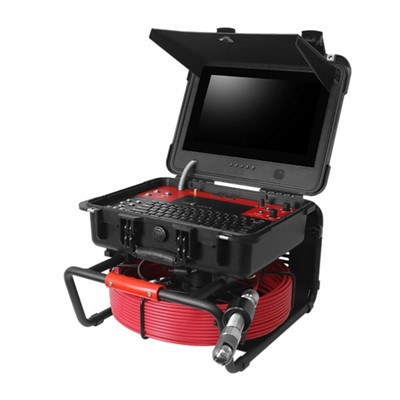
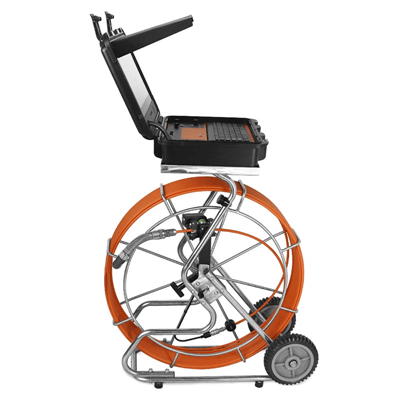
At our company, we offer a wide range of push inspection cameras with different tip shapes to meet the diverse needs of our customers. For example, our 13inch 50mm Pan Tilt Rotation AHD Sewer Push Camera With Locator 60Mtr To 150Mtr comes with a round tip, making it ideal for general sewer pipe inspections. The camera has a pan - tilt rotation feature, which allows for a wider range of viewing angles, and a built - in locator to help you accurately identify the position of the camera inside the pipe.
Our Pipe Weld Inspection Camera is designed with a specialized tip for inspecting pipe welds. The camera can be inserted into the pipe to check for cracks, porosity, and other defects in the welds. This is an essential tool for industries such as oil and gas, where the integrity of pipe welds is critical.
We also offer the 33mm FHD 150m Pan Tilt Rotation Sewer Drain Push Camera For Pipe Inspection, which has a flat tip for inspecting large - diameter pipes. The camera has a high - definition resolution and a long cable length, making it suitable for inspecting long - distance pipes.
Benefits of Different Tip Shapes
The availability of different tip shapes in push inspection cameras offers several benefits. Firstly, it allows for more accurate inspections. By choosing the right tip shape for the specific inspection task, you can ensure that the camera can reach all areas of the pipe and provide clear, detailed images. This is crucial for identifying problems such as cracks, leaks, and blockages.
Secondly, different tip shapes improve the efficiency of inspections. For example, an angled - tip camera can quickly navigate around bends and corners, reducing the time required to complete an inspection. This is especially important in large - scale projects where time is of the essence.
Finally, the use of specialized tip shapes can expand the range of applications for push inspection cameras. For instance, magnetic tips can be used in industries where metal detection is necessary, while flexible tips can be used in unique pipe configurations.
How to Choose the Right Tip Shape
When choosing a push inspection camera, it is important to consider the type of pipes you will be inspecting. If you are inspecting straight or slightly curved pipes, a round - tipped camera may be sufficient. However, if the pipes have multiple bends and turns, an angled - tip camera would be a better choice.
The diameter of the pipes is also an important factor. For large - diameter pipes, a flat - tipped camera can provide a wider field of view. For smaller pipes, a round or angled - tip camera may be more appropriate.


In addition, consider the specific inspection requirements. If you need to detect metal objects in the pipe, a magnetic - tip camera would be ideal. If you are inspecting pipe welds, a specialized weld - inspection camera with the appropriate tip shape is necessary.
Conclusion
In conclusion, there are indeed push inspection cameras with different tip shapes. Each tip shape is designed to meet specific inspection needs, and choosing the right tip shape can significantly improve the accuracy and efficiency of pipe inspections. At our company, we are committed to providing high - quality push inspection cameras with a variety of tip shapes to meet the diverse needs of our customers.
If you are in the market for a push inspection camera, we encourage you to contact us to discuss your specific requirements. Our team of experts can help you choose the right camera with the appropriate tip shape for your inspection tasks. Whether you are a plumbing contractor, an industrial inspector, or a homeowner looking to inspect your pipes, we have the solution for you.
References
- Smith, J. (2020). Pipe Inspection Technologies. Plumbing Journal.
- Johnson, A. (2019). Advancements in Push Inspection Cameras. Industrial Inspection Review.