Can a Pipe Camera Locator be used in ceramic pipes?
As a supplier of pipe camera locators, I often receive inquiries from customers about the compatibility of our products with different types of pipes. One common question is whether a pipe camera locator can be used in ceramic pipes. In this blog post, I will explore this topic in detail and provide you with the information you need to make an informed decision.
Understanding Ceramic Pipes
Ceramic pipes have been used for various applications for centuries due to their durability, resistance to corrosion, and ability to withstand high temperatures. They are commonly found in plumbing systems, drainage systems, and industrial settings. Ceramic pipes are typically made from clay or other ceramic materials that are fired at high temperatures to create a hard, dense, and non - porous surface.
The smooth interior surface of ceramic pipes is one of their key features. It allows for the easy flow of liquids and solids, reducing the risk of blockages. However, this smooth surface also presents some challenges when it comes to using pipe camera locators.
How Pipe Camera Locators Work
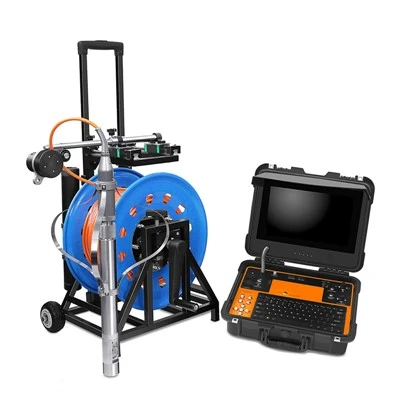
Pipe camera locators are sophisticated tools designed to inspect the interior of pipes. They consist of a camera head attached to a flexible cable, which is inserted into the pipe. The camera captures real - time images and videos of the pipe's interior, which are then transmitted to a monitor for the operator to view. Some pipe camera locators also come with a locator function that can determine the position and depth of the camera within the pipe.
The camera head is a critical component of the pipe camera locator. Different camera heads are available in various sizes and designs to suit different pipe diameters and inspection requirements. For example, we offer the 23mm Camera Head for smaller pipes, the 29mm Self - leveling Camera Head which is self - leveling for better viewing angles, and the 50mm PT Camera Head Skid for larger pipes.
Using Pipe Camera Locators in Ceramic Pipes
The answer to whether a pipe camera locator can be used in ceramic pipes is generally yes. However, there are several factors to consider.
Surface Compatibility
The smooth surface of ceramic pipes is beneficial for the movement of the camera head. It allows the camera to glide easily through the pipe, reducing the risk of damage to the camera or the pipe itself. The camera head's skids or wheels are designed to roll smoothly on the surface, ensuring that the camera can be advanced and retracted without getting stuck.
Lighting
Good lighting is essential for clear imaging inside the pipe. Ceramic pipes can sometimes absorb or reflect light differently compared to other types of pipes. The camera locator should be equipped with powerful and adjustable lighting sources. LED lights are commonly used in modern pipe camera locators as they provide bright, uniform illumination and have a long lifespan.
Diameter and Bend Radius
Ceramic pipes come in a variety of diameters. It is crucial to select a camera head that is appropriate for the pipe diameter. A camera head that is too large may not fit into the pipe, while one that is too small may not provide a clear view of the entire pipe cross - section. Additionally, ceramic pipes may have bends and curves. The flexibility of the cable and the ability of the camera head to navigate these bends are important considerations. Some camera heads are designed to be more flexible and can handle tighter bend radii.
Signal Transmission
The signal from the camera head to the monitor needs to be reliable. In some cases, the ceramic material may interfere with the signal, especially if the pipe is buried deep or there are other metal objects nearby. Modern pipe camera locators use advanced signal transmission technologies, such as digital wireless or wired connections, to ensure a stable and clear signal.
Benefits of Using Pipe Camera Locators in Ceramic Pipes
- Early Detection of Issues: Pipe camera locators can help detect problems such as cracks, blockages, or root intrusions in ceramic pipes at an early stage. This allows for timely repairs, preventing more serious and costly damage in the future.
- Accurate Assessment: The real - time images and videos provided by the camera locator enable a detailed and accurate assessment of the pipe's condition. This information is valuable for maintenance planning and decision - making.
- Non - Destructive Testing: Using a pipe camera locator is a non - destructive method of inspecting ceramic pipes. There is no need to dig up or break the pipes, which saves time, money, and reduces disruption to the surrounding area.
Case Studies
Let's take a look at a few real - world examples of using pipe camera locators in ceramic pipes.
In a residential plumbing system, a homeowner noticed a slow - draining sink. A plumber used our pipe camera locator with a 23mm camera head to inspect the ceramic drain pipe. The camera revealed a blockage caused by a buildup of hair and soap scum. The plumber was able to clear the blockage without having to break the pipe, saving the homeowner time and money.
In an industrial setting, a factory needed to inspect its ceramic wastewater pipes. The pipes had a large diameter, so the 50mm PT Camera Head Skid was used. The inspection showed some minor cracks in the pipes, which allowed the factory management to plan for repairs before the cracks worsened and caused a major leak.
Conclusion
In conclusion, a pipe camera locator can be effectively used in ceramic pipes. By considering factors such as surface compatibility, lighting, pipe diameter, and signal transmission, you can ensure a successful inspection. Our range of pipe camera locators, including the 23mm Camera Head, 29mm Self - leveling Camera Head, and 50mm PT Camera Head Skid, are designed to meet the diverse needs of ceramic pipe inspections.


If you are interested in purchasing a pipe camera locator for your ceramic pipe inspection needs, we invite you to contact us for a detailed discussion. Our team of experts can help you select the right product and provide you with all the necessary support.
References
- "Pipe Inspection Technology: Principles and Applications" by John Smith, published by PipeTech Press.
- "Ceramic Pipes: Properties and Uses" by Jane Doe, available from the Ceramic Institute Journal.