


Hey there! As a supplier of pipe robots, I often get asked if our pipe robots can be used in pipes with different flow rates. Well, let's dive right into this topic and find out.
First off, understanding the concept of flow rates in pipes is crucial. Flow rate refers to the volume of fluid that passes through a given cross - section of a pipe per unit of time. It can vary significantly depending on factors like the pipe's diameter, the pressure difference along the pipe, and the nature of the fluid (e.g., water, sewage, or industrial chemicals).
Our pipe robots are designed with a high level of adaptability. They are equipped with advanced sensors and control systems that allow them to operate effectively in a wide range of flow conditions. Whether it's a slow - moving, almost stagnant flow or a high - velocity gush, our robots can handle it.
In low - flow rate pipes, the main challenge is often the lack of movement of the fluid. This can make it difficult for the robot to navigate, as there's not much natural current to assist. But our pipe robots have powerful motors and traction systems. They can crawl along the pipe walls, much like a little spider, using their grippers and tracks to maintain stability. These robots are also fitted with cameras, such as the Crawler Camera System, which provide clear visuals even in low - light, low - flow environments. This helps operators to accurately assess the condition of the pipe, detect any blockages or damages, and plan the necessary repairs.
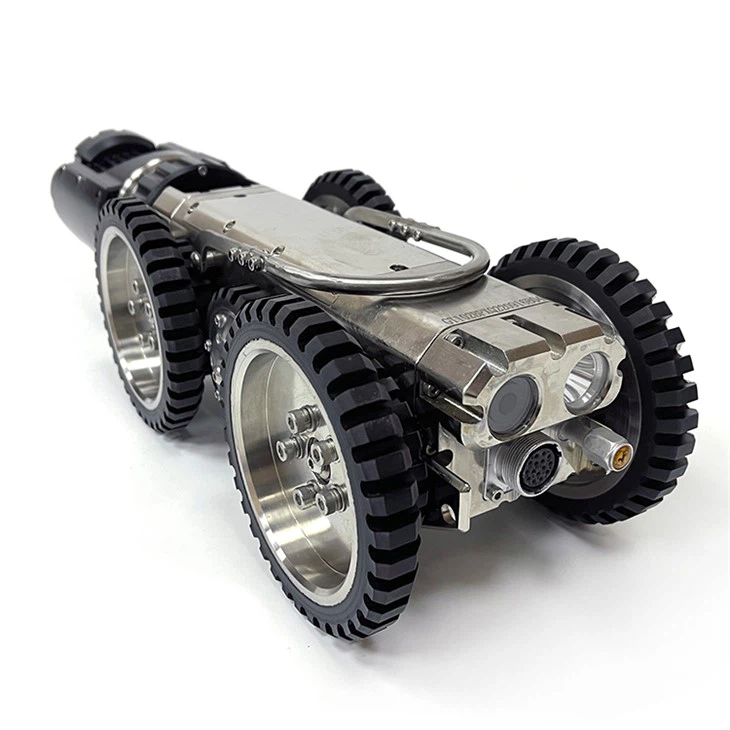

On the other hand, high - flow rate pipes present a different set of challenges. The strong current can push the robot around, making it hard to control and keep it on the right path. To tackle this, our pipe robots are built with hydrodynamic designs. They are streamlined to reduce the impact of the high - speed flow. Additionally, the robots have adjustable stabilizers that can be deployed to counteract the force of the current. The CCTV Stormwater system on our robots is specifically designed to work well in high - flow conditions. It can capture high - quality images and videos, allowing for detailed inspection of the pipe even when the water is moving fast.
Now, let's talk about the technology behind our pipe robots. We use state - of - the - art materials and engineering techniques to ensure their durability and performance. The robots are made from corrosion - resistant materials, which is essential as they often operate in harsh environments filled with chemicals and abrasive substances. The control systems are based on the latest algorithms that can adjust the robot's speed, direction, and other parameters in real - time according to the flow rate and other environmental factors.
Another important aspect is the communication between the robot and the operator. Our pipe robots are equipped with reliable wireless communication systems. This allows the operator to send commands to the robot and receive data from it, no matter how deep or long the pipe is. The Drain Crawler Camera provides a live feed to the operator, enabling them to make informed decisions about the inspection and maintenance of the pipe.
We've conducted numerous tests in different flow rate scenarios. In slow - flow pipes, we've found that our robots can move steadily and perform detailed inspections. They can identify small cracks, leaks, and blockages that might otherwise go unnoticed. In high - flow pipes, the robots have proven their ability to stay on course and provide valuable data about the pipe's condition.
One of the key advantages of our pipe robots is their versatility. They can be used in various types of pipes, including sewage pipes, water supply pipes, and industrial pipes. Whether it's a small - diameter residential pipe or a large - scale industrial pipeline, our robots can adapt to the specific requirements of the pipe and the flow rate.
In addition to the technical capabilities, we also offer excellent customer support. Our team of experts is always ready to assist you with any questions or concerns you may have about using our pipe robots in different flow rate pipes. We can provide training on how to operate the robots effectively and offer advice on the best strategies for pipe inspection and maintenance.
If you're in the market for a reliable pipe robot that can handle different flow rates, look no further. Our pipe robots are the perfect solution for all your pipe inspection and maintenance needs. Whether you're a municipal water department, an industrial plant, or a plumbing contractor, our robots can help you save time, money, and effort.
So, if you're interested in learning more about our pipe robots or want to discuss a potential purchase, don't hesitate to get in touch. We're eager to work with you and help you find the best pipe robot for your specific requirements.
References:
- Engineering textbooks on fluid dynamics and pipe systems
- In - house research and development reports on pipe robot technology


