Can Drain Cameras Be Used in Small Diameter Drains?
In the realm of drain maintenance and inspection, the question of whether drain cameras can be effectively used in small diameter drains is a common one. As a leading supplier of drain cameras, I've encountered numerous inquiries from customers who are dealing with narrow pipes and are unsure if our products can meet their needs. In this blog post, I'll delve into the technical aspects, benefits, and limitations of using drain cameras in small diameter drains, and provide insights to help you make an informed decision.
Technical Feasibility
The feasibility of using drain cameras in small diameter drains largely depends on the design and specifications of the camera system. Modern drain cameras are engineered with a variety of features to accommodate different pipe sizes. For small diameter drains, typically defined as pipes with a diameter of less than 4 inches, manufacturers have developed cameras with compact and flexible designs.
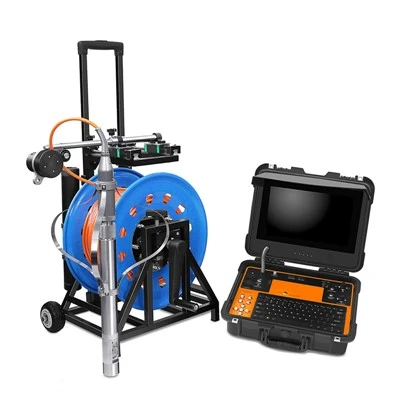
Our Drain Pipe Inspection Camera series, for example, is specifically designed to navigate through tight spaces. These cameras are equipped with ultra - small camera heads that can easily fit into pipes as small as 1.5 inches in diameter. The cables used in these systems are also highly flexible, allowing them to bend and turn within the narrow confines of small drains without getting stuck.
In addition to the physical size of the camera head, the lighting system is another crucial factor. In small diameter drains, there is limited space for light to spread, so a powerful and focused lighting system is essential. Our drain cameras are fitted with high - intensity LED lights that can illuminate the inside of the pipe clearly, even in the darkest and most confined spaces. This ensures that inspectors can accurately identify any blockages, cracks, or other issues within the drain.
Benefits of Using Drain Cameras in Small Diameter Drains
One of the primary benefits of using drain cameras in small diameter drains is the ability to accurately diagnose problems. Traditional methods of drain inspection, such as probing or hydro - jetting, may not provide a clear picture of what's happening inside the pipe. With a drain camera, inspectors can see the exact location and nature of the blockage or damage, which allows for more targeted and effective repairs.
For example, if there is a root intrusion in a small diameter drain, a drain camera can precisely identify where the roots are entering the pipe. This information is invaluable as it enables plumbers to cut the roots at the source without causing unnecessary damage to the surrounding pipes.
Another advantage is the time and cost savings. By quickly and accurately identifying the problem, drain camera inspections can reduce the time spent on diagnosing and repairing the drain. This not only saves labor costs but also minimizes the disruption to the property owner. In many cases, using a drain camera can prevent the need for more invasive and expensive methods, such as digging up the entire drain line.
Limitations and Challenges
While drain cameras offer many benefits for small diameter drains, there are also some limitations and challenges. One of the main challenges is the potential for the camera to get stuck. Small diameter drains may have more bends, curves, and debris, which can make it difficult for the camera to navigate. To mitigate this risk, it's important to choose a camera system with a high - quality cable and a reliable control mechanism.
Another limitation is the reduced field of view. In small pipes, the camera's field of view is naturally restricted, which may make it difficult to get a comprehensive view of the entire pipe. However, some of our advanced CCTV Drain Camera models are equipped with pan - tilt - zoom (PTZ) capabilities, which allow inspectors to adjust the camera's angle and magnification to get a better view of specific areas.
Choosing the Right Drain Camera for Small Diameter Drains
When selecting a drain camera for small diameter drains, there are several factors to consider. Firstly, the size of the camera head is of utmost importance. Make sure to choose a camera with a head diameter that is smaller than the pipe you need to inspect.
Secondly, consider the flexibility of the cable. A more flexible cable will be able to navigate through the twists and turns of small drains more easily. Look for cables that are made from high - quality materials and have a smooth outer surface to reduce friction.
Finally, pay attention to the lighting and imaging quality. A clear and well - lit image is essential for accurate inspection. Our CCTV Drain Inspection Cameras offer high - resolution imaging and powerful lighting systems to ensure that you can see every detail inside the pipe.
Conclusion
In conclusion, drain cameras can indeed be used effectively in small diameter drains. With the right equipment and proper techniques, they offer a reliable and efficient way to diagnose and solve drain problems. As a supplier of drain cameras, we are committed to providing high - quality products that meet the diverse needs of our customers.
If you are in the market for a drain camera for small diameter drains, or if you have any questions about our products, we encourage you to reach out to us. Our team of experts is ready to assist you in choosing the right camera system for your specific requirements. Contact us today to start a discussion about your drain inspection needs and explore how our drain cameras can benefit your projects.


References
- "Drain Inspection Technologies: A Comprehensive Guide", Plumbing and Drainage Journal, 2022
- "Advances in Small - Diameter Drain Camera Design", International Journal of Drainage Systems, 2023
- "Best Practices for Using Drain Cameras in Narrow Pipes", Drain Maintenance Magazine, 2021