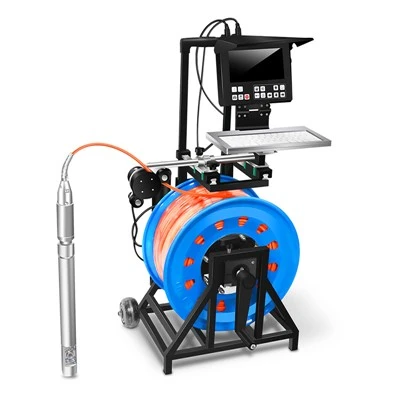
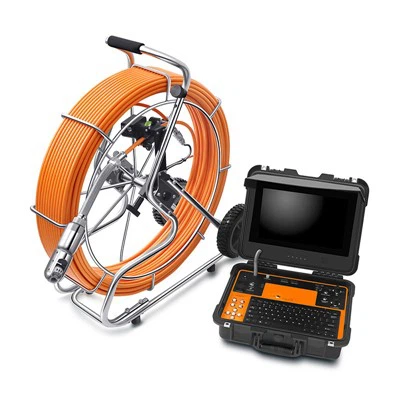
As a supplier of pushrod cameras, I often get asked about the versatility and applicability of our products in various industries. One question that comes up frequently is whether pushrod cameras can be used for mining inspections. In this blog post, I'll explore the potential of pushrod cameras in the mining sector, highlighting their benefits, limitations, and practical applications.
The Basics of Pushrod Cameras
Before delving into their use in mining inspections, let's first understand what pushrod cameras are. Pushrod cameras, also known as inspection cameras or borescopes, are flexible, long - shafted devices equipped with a camera at the end. They are designed to be inserted into confined spaces, allowing users to visually inspect areas that are otherwise difficult or impossible to access. These cameras come in different lengths, diameters, and with various features such as adjustable lighting, high - resolution imaging, and the ability to record and store footage.
Our company offers a range of pushrod cameras, including the Pipe Weld Inspection Camera, Pipe Inspection Camera System, and AHD Pipe Camera Inspection, each tailored to specific inspection needs.
Advantages of Using Pushrod Cameras in Mining Inspections
Access to Confined Spaces
Mines are filled with narrow tunnels, shafts, and crevices that are not easily accessible by human inspectors. Pushrod cameras can be inserted into these tight spaces, providing a clear view of the interior conditions. For example, in underground coal mines, the cameras can be used to inspect the condition of ventilation ducts, which are often located in narrow passageways. By getting a visual inspection, mine operators can identify blockages, leaks, or signs of wear and tear in these critical components.
Safety Enhancement
Mining is a hazardous industry, with risks such as cave - ins, gas leaks, and exposure to harmful substances. Sending human inspectors into potentially dangerous areas can put their lives at risk. Pushrod cameras offer a safer alternative. They can be used to assess the stability of mine walls, check for the presence of gas pockets, or inspect areas affected by recent blasting operations without exposing workers to immediate danger.
Cost - Efficiency
Traditional inspection methods in mining often involve significant downtime, as large areas may need to be shut down for manual inspections. Pushrod cameras can be deployed quickly, reducing the time required for inspections. Additionally, they eliminate the need for expensive equipment and extensive labor associated with some traditional inspection techniques. This results in cost savings for mining companies in the long run.
Detailed Documentation
Most pushrod cameras are equipped with recording capabilities, allowing inspectors to document the condition of the mine infrastructure. This documentation can be used for future reference, to track the progress of maintenance and repair work, or to comply with regulatory requirements. High - resolution images and videos can provide clear evidence of any issues detected during the inspection.
Practical Applications in Mining
Structural Integrity Inspection
Pushrod cameras can be used to inspect the structural integrity of mine shafts, tunnels, and support structures. They can detect cracks, corrosion, or other signs of damage that may compromise the safety of the mine. For example, in a metal mine, the cameras can be used to examine the condition of the steel reinforcement bars in the concrete lining of the tunnels. By identifying potential problems early, mine operators can take proactive measures to prevent collapses or other structural failures.


Equipment Inspection
Mining equipment, such as conveyor belts, crushers, and pumps, is often located in hard - to - reach areas. Pushrod cameras can be used to inspect the internal components of this equipment for signs of wear, misalignment, or damage. This helps in scheduling timely maintenance and reducing the risk of unexpected breakdowns, which can lead to costly production delays.
Environmental Monitoring
In some mines, pushrod cameras can be used for environmental monitoring. For instance, they can be used to inspect water drainage systems for signs of pollution or blockages. In addition, they can be used to monitor the growth of vegetation or the presence of wildlife in areas adjacent to the mine, which is important for environmental compliance.
Limitations and Challenges
Limited Range
The length of the pushrod limits the distance that the camera can reach. In large mines, this may require multiple deployments or the use of additional equipment to cover larger areas. However, advancements in technology are continuously increasing the length of pushrods available, which helps to mitigate this limitation.
Harsh Environments
Mines are often characterized by harsh environments, including high temperatures, high humidity, dust, and the presence of corrosive substances. These conditions can damage the pushrod camera if it is not properly protected. Specialized cameras designed to withstand these harsh conditions are available, but they may come at a higher cost.
Lack of Depth Perception
Two - dimensional images from pushrod cameras may lack accurate depth perception. This can make it difficult to accurately assess the size and severity of some defects. However, some advanced pushrod cameras are now equipped with 3D imaging capabilities, which help to overcome this challenge.
Overcoming the Challenges
To address the limitations, our company offers pushrod cameras that are specifically designed for harsh mining environments. These cameras are built with rugged casings, resistant to dust, water, and corrosion. We also provide accessories such as additional lighting options and protective sheaths to enhance the performance of the cameras in challenging conditions.
In terms of the limited range, we offer extendable pushrods and the option to connect multiple cameras in a series to cover larger distances. Our technical support team can also provide guidance on the best camera configuration for specific mining inspection needs.
Conclusion
In conclusion, pushrod cameras have significant potential for use in mining inspections. Their ability to access confined spaces, enhance safety, and provide detailed documentation makes them a valuable tool for mining companies. While there are some limitations and challenges associated with their use, these can be overcome through technological advancements and proper selection of equipment.
If you're in the mining industry and looking for a reliable solution for your inspection needs, I encourage you to explore our range of pushrod cameras. Our team of experts is ready to assist you in choosing the right camera for your specific requirements. Contact us today to start a discussion about how our pushrod cameras can benefit your mining operations.
References
- Smith, J. (2018). "Advances in Inspection Technology for the Mining Industry." Mining Journal, Vol. 56, pp. 34 - 41.
- Brown, A. (2019). "Safety and Efficiency in Mining Inspections: The Role of Pushrod Cameras." International Mining Review, Vol. 78, pp. 55 - 62.
- Johnson, R. (2020). "Cost - Effective Inspection Strategies in Mining Using Pushrod Cameras." Journal of Mining Economics, Vol. 45, pp. 78 - 85.