Can sewer cameras be used in multi - branch sewers? This is a question that often arises among plumbing professionals and property owners alike. As a supplier of high - quality sewer cameras, I have seen firsthand the capabilities and limitations of these devices in various sewer systems. In this blog, I will explore whether sewer cameras can effectively navigate and inspect multi - branch sewers, and provide insights based on my experience in the industry.
How Sewer Cameras Work
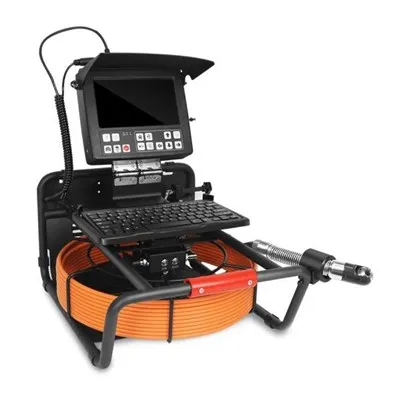
Before delving into their use in multi - branch sewers, it's important to understand how sewer cameras operate. A typical sewer camera consists of a flexible cable with a camera head at one end and a monitor at the other. The camera head is equipped with lights and a lens that can capture high - resolution images and videos of the sewer interior. The cable is inserted into the sewer through an access point, such as a cleanout or manhole, and the operator can guide the camera along the sewer line while viewing the live feed on the monitor.


Challenges in Multi - Branch Sewers
Multi - branch sewers present a unique set of challenges for sewer camera inspections. Unlike straight sewer lines, multi - branch systems have multiple forks and junctions where the sewer line divides into different directions. These branches can vary in size, shape, and angle, making it difficult for the camera to navigate through them.
One of the main challenges is ensuring that the camera can reach all the branches. In some cases, the branches may be located at sharp angles or have tight bends that the camera cable may not be able to negotiate. Additionally, debris and sediment buildup in the sewer can block the camera's path, preventing it from reaching certain areas.
Another challenge is accurately identifying and mapping the different branches. With multiple forks in the sewer line, it can be easy to lose track of which branch the camera is in and where it is headed. This can make it difficult to create an accurate inspection report and pinpoint the location of any issues.
Advantages of Using Sewer Cameras in Multi - Branch Sewers
Despite these challenges, sewer cameras can still be a valuable tool for inspecting multi - branch sewers. Here are some of the advantages:
Visual Inspection
Sewer cameras provide a clear and detailed view of the sewer interior, allowing operators to identify a wide range of issues, such as cracks, leaks, blockages, and root intrusions. In multi - branch sewers, this visual inspection can help determine which branches are affected by these problems and prioritize repairs.
Non - Invasive
Using a sewer camera is a non - invasive method of inspection, which means that it does not require extensive digging or excavation to access the sewer line. This can save time and money, especially in multi - branch systems where the sewer lines may be buried deep underground or run through difficult - to - reach areas.
Documentation
Sewer cameras can record the inspection process, providing a permanent record of the sewer's condition. This documentation can be useful for future reference, as well as for insurance claims and compliance purposes.
Strategies for Using Sewer Cameras in Multi - Branch Sewers
To overcome the challenges and make the most of sewer cameras in multi - branch sewers, here are some strategies that can be employed:
Choose the Right Camera
Not all sewer cameras are created equal. When inspecting multi - branch sewers, it's important to choose a camera that is flexible, maneuverable, and has a long cable length. A camera with a smaller diameter and a more flexible cable can better navigate through tight bends and branches. For example, our 100 ft Sewer Camera is designed with a high - flexibility cable that can easily reach into different branches of the sewer system.
Use a Guide or Locator
To help navigate the camera through the multi - branch sewer, a guide or locator can be used. This can be a physical guide, such as a rod or a wire, that is inserted into the sewer before the camera to mark the path. Alternatively, a locator device can be used to track the position of the camera within the sewer line and provide real - time feedback on its location.
Take Multiple Passes
In some cases, it may be necessary to take multiple passes with the camera to ensure that all the branches are inspected. This can involve starting from different access points and working through the sewer system in different directions. By taking multiple passes, the operator can increase the chances of detecting any issues in all the branches.
Mark and Document the Branches
To keep track of the different branches and their locations, it's important to mark and document them during the inspection. This can be done by using colored markers on the sewer walls or by taking notes on the monitor. By documenting the branches, the operator can create an accurate map of the sewer system and provide a clear report of the inspection findings.
Real - World Applications
Let's take a look at some real - world examples of how sewer cameras have been used in multi - branch sewers:
Residential Properties
In residential properties, multi - branch sewers are common, especially in larger homes or those with multiple bathrooms and fixtures. Sewer cameras can be used to inspect these systems for blockages, leaks, and other issues. For example, a homeowner may notice slow - draining sinks or toilets, which could indicate a problem in the sewer line. By using a Plumbing Camera, a plumber can quickly identify the source of the problem, whether it's a blockage in a specific branch or a more widespread issue in the main sewer line.
Commercial Buildings
Commercial buildings often have complex multi - branch sewer systems that serve multiple floors and tenants. Sewer camera inspections can be used to maintain these systems and prevent costly repairs. For instance, a restaurant may experience frequent sewer backups due to grease and food waste buildup. A sewer camera inspection can help identify the branches that are most affected by the buildup and allow for targeted cleaning and maintenance.
Municipal Sewer Systems
Municipal sewer systems are large - scale multi - branch networks that serve entire communities. Sewer cameras play a crucial role in the inspection and maintenance of these systems. They can be used to detect structural damage, root intrusions, and other issues that could lead to sewer overflows and environmental contamination. By using Plumbing Video Camera Inspection, municipalities can prioritize repairs and allocate resources more effectively.
Conclusion
In conclusion, sewer cameras can be used in multi - branch sewers, but they do come with their own set of challenges. With the right equipment, strategies, and expertise, these challenges can be overcome, and sewer cameras can provide valuable insights into the condition of multi - branch sewer systems. Whether it's for residential, commercial, or municipal applications, sewer cameras are an essential tool for identifying and addressing sewer issues.
If you are in the market for a high - quality sewer camera for your multi - branch sewer inspection needs, I encourage you to reach out to us. We have a wide range of sewer cameras to suit different requirements and budgets. Our team of experts can provide you with the guidance and support you need to make the right choice. Contact us today to start a discussion about your procurement needs and let us help you find the perfect solution for your sewer inspection challenges.
References
- "Sewer Camera Inspection: A Comprehensive Guide" - Plumbing Journal
- "Best Practices for Inspecting Multi - Branch Sewer Systems" - Municipal Sewer Maintenance Association