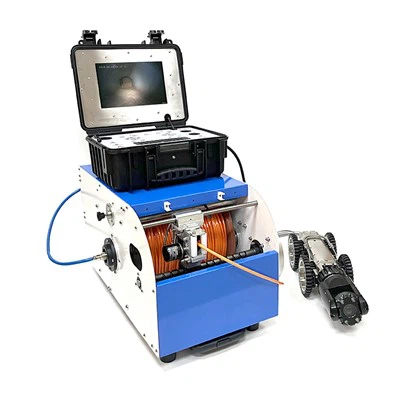
As a supplier of the Dual 33mm & 23mm Self-Leveling CCTV Sewer Pipe Camera with Dual Cable Reel, I often receive inquiries about the versatility of our product. One common question is whether this camera can be used for underwater inspection outside of sewers. In this blog post, I will explore the capabilities of our camera and discuss its potential applications in various underwater environments.
Understanding the Dual 33mm & 23mm Self-Leveling CCTV Sewer Pipe Camera
Before delving into its underwater applications, let's first understand the key features of our camera. The Dual 33mm & 23mm Self-Leveling CCTV Sewer Pipe Camera is designed specifically for sewer pipe inspections. It comes with two camera heads of different diameters (33mm and 23mm), allowing for inspections in pipes of various sizes. The self-leveling feature ensures that the camera remains horizontal, providing clear and accurate images even in uneven pipes.
The camera is equipped with a dual cable reel, which allows for easy deployment and retrieval of the camera. The cables are also designed to be durable and resistant to water and abrasion, ensuring reliable performance in harsh environments. Additionally, the camera is compatible with a variety of accessories, such as pan-tilt units and locators, which can enhance its functionality and versatility.
Can the Camera be Used for Underwater Inspection Outside of Sewers?
The short answer is yes, the Dual 33mm & 23mm Self-Leveling CCTV Sewer Pipe Camera can be used for underwater inspection outside of sewers. The camera is designed to be waterproof and can withstand submersion in water up to a certain depth. However, it is important to note that the camera is primarily designed for sewer pipe inspections, and its performance may vary depending on the specific underwater environment.


Here are some factors to consider when using the camera for underwater inspection outside of sewers:
Water Depth
The camera is rated for a certain water depth, which is typically specified in the product manual. It is important to ensure that the water depth does not exceed the rated depth, as this can damage the camera. If you need to inspect deeper waters, you may need to consider a camera that is specifically designed for deep-water applications.
Water Clarity
The clarity of the water can also affect the performance of the camera. In clear water, the camera can provide clear and detailed images. However, in murky or turbid water, the visibility may be reduced, making it more difficult to obtain clear images. In such cases, it may be necessary to use additional lighting or other techniques to improve the visibility.
Underwater Obstacles
Underwater environments can be filled with obstacles, such as rocks, debris, and vegetation. These obstacles can pose a challenge to the deployment and operation of the camera. It is important to carefully plan the inspection route and avoid areas with potential obstacles. Additionally, the camera should be equipped with a protective housing or bumper to prevent damage from collisions.
Corrosion and Fouling
Underwater environments can be corrosive, and the camera may be exposed to saltwater, chemicals, and other corrosive substances. Over time, these substances can cause corrosion and damage to the camera. It is important to regularly clean and maintain the camera to prevent corrosion and fouling. Additionally, the camera should be made of materials that are resistant to corrosion and fouling.
Potential Applications of the Camera for Underwater Inspection
Despite the challenges mentioned above, the Dual 33mm & 23mm Self-Leveling CCTV Sewer Pipe Camera can be used for a variety of underwater inspection applications. Here are some potential applications:
Aquaculture
In aquaculture, the camera can be used to inspect fish ponds, tanks, and other aquaculture facilities. It can help to detect leaks, blockages, and other issues that may affect the health and productivity of the fish. Additionally, the camera can be used to monitor the growth and behavior of the fish.
Marine Infrastructure
The camera can be used to inspect marine infrastructure, such as docks, piers, and bridges. It can help to detect cracks, corrosion, and other damage that may pose a safety risk. Additionally, the camera can be used to monitor the condition of the infrastructure over time.
Water Treatment Plants
In water treatment plants, the camera can be used to inspect pipes, tanks, and other equipment. It can help to detect leaks, blockages, and other issues that may affect the efficiency and effectiveness of the treatment process. Additionally, the camera can be used to monitor the quality of the water.
Underwater Archaeology
The camera can be used in underwater archaeology to explore and document underwater sites. It can help to identify artifacts, structures, and other features of archaeological interest. Additionally, the camera can be used to create high-resolution images and videos of the underwater sites.
Conclusion
In conclusion, the Dual 33mm & 23mm Self-Leveling CCTV Sewer Pipe Camera can be used for underwater inspection outside of sewers. However, it is important to consider the specific underwater environment and the limitations of the camera before using it for such applications. With proper planning, preparation, and maintenance, the camera can provide valuable insights and information in a variety of underwater inspection scenarios.
If you are interested in learning more about our Dual 33mm & 23mm Self-Leveling CCTV Sewer Pipe Camera with Dual Cable Reel or have any other questions, please feel free to reach out to us. We would be happy to discuss your specific needs and provide you with a customized solution.
Self-leveling Sewer Pipe Camera System
Pipe Inspection Camera With Locator
References
- Manufacturer's product manual for the Dual 33mm & 23mm Self-Leveling CCTV Sewer Pipe Camera with Dual Cable Reel.
- Industry standards and guidelines for underwater inspection.
- Case studies and research on the use of CCTV cameras in underwater applications.