


Pipe systems are the unsung heroes of modern infrastructure, silently transporting water, gas, and other essential fluids beneath our feet. However, leaks in these pipes can lead to significant problems, including water loss, structural damage, and environmental contamination. As a leading Pipe Crawler supplier, we understand the importance of efficient and accurate leak detection. In this blog, we'll explore how our Pipe Crawlers play a crucial role in detecting leaks in pipes.

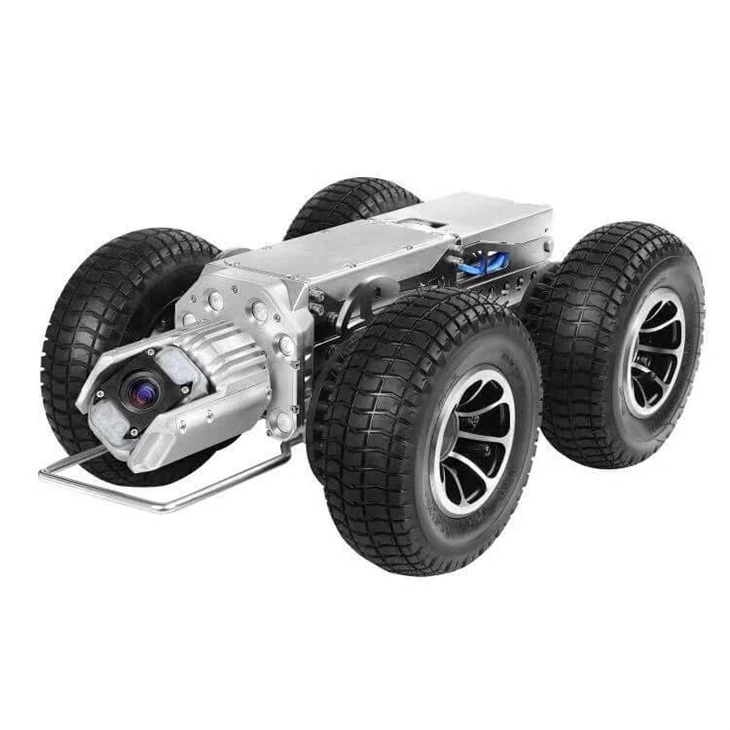
Understanding the Basics of Pipe Crawlers
Before delving into the leak detection process, it's essential to understand what a Pipe Crawler is. A Pipe Crawler is a specialized device designed to navigate through pipes of various sizes and materials. These crawlers are equipped with advanced sensors and cameras that can provide real - time data and visual information about the pipe's interior.
Our Pipe Crawlers are built with high - precision engineering, allowing them to move smoothly through straight pipes, bends, and even vertical sections. They are powered by robust motors and can be remotely controlled, enabling operators to position the crawler precisely where it's needed. You can learn more about our Pipe Crawlers by visiting our Pipe Crawler page.
Visual Inspection with CCTV Crawler Camera
One of the primary methods our Pipe Crawlers use to detect leaks is visual inspection. Our CCTV Crawler Camera is a state - of - the - art tool that provides high - resolution images and videos of the pipe's interior. As the crawler moves through the pipe, the camera captures every detail, including cracks, holes, and signs of water seepage.
The camera is equipped with adjustable lighting, which ensures clear visibility even in dark or dirty pipes. Operators can zoom in and out, pan, and tilt the camera to get a comprehensive view of the pipe walls. By carefully analyzing the footage, trained technicians can identify potential leak points. For example, a small crack in the pipe wall may be visible as a thin line, and water stains or damp patches can indicate the presence of a leak.
Acoustic Leak Detection
In addition to visual inspection, our Pipe Crawlers are also capable of acoustic leak detection. Leaks in pipes create distinct acoustic signals due to the pressure difference between the inside and outside of the pipe. Our crawlers are equipped with sensitive microphones that can pick up these signals.
When a leak occurs, the escaping fluid creates a hissing or gurgling sound. The acoustic sensors on the crawler detect these sounds and convert them into electrical signals. These signals are then analyzed by specialized software, which can determine the location and severity of the leak. The software uses algorithms to filter out background noise and focus on the specific frequencies associated with leaks.
Acoustic leak detection is particularly useful for detecting leaks in pipes that are buried underground or in areas where visual inspection may be limited. It can also detect leaks that are not yet visible, allowing for early intervention and prevention of more significant damage.
Pressure and Flow Monitoring
Another way our Pipe Crawlers detect leaks is through pressure and flow monitoring. By measuring the pressure and flow rate of the fluid inside the pipe, we can identify abnormal changes that may indicate a leak.
Our crawlers are equipped with pressure sensors and flow meters that continuously monitor these parameters. If there is a leak in the pipe, the pressure will drop, and the flow rate may increase or decrease depending on the location and size of the leak. The data collected by the sensors is transmitted in real - time to the operator's control unit, where it can be analyzed.
By comparing the current pressure and flow data with the normal operating conditions of the pipe, operators can quickly identify potential leaks. For example, a sudden drop in pressure may indicate a large leak, while a gradual decrease in pressure over time may suggest a small, slow - leaking crack.
Thermal Imaging
Thermal imaging is another advanced technique used by our Pipe Crawlers for leak detection. When a leak occurs, the escaping fluid can cause a change in the temperature of the surrounding pipe wall. Our crawlers are equipped with thermal cameras that can detect these temperature differences.
The thermal camera captures an image of the pipe's interior based on the infrared radiation emitted by the objects. Areas with a leak will appear as hot or cold spots depending on the temperature of the escaping fluid. For example, if water is leaking from a hot water pipe, the area around the leak will appear as a hot spot on the thermal image.
Thermal imaging is useful for detecting leaks in pipes that are insulated or in areas where visual inspection may be difficult. It can also detect leaks in pipes that are buried in the ground, as the temperature change can be detected through the soil.
Advantages of Using Our Pipe Crawlers for Leak Detection
There are several advantages to using our Pipe Crawlers for leak detection. Firstly, they provide accurate and reliable results. The combination of multiple detection methods, including visual inspection, acoustic detection, pressure and flow monitoring, and thermal imaging, ensures that no leak goes undetected.
Secondly, our Pipe Crawlers are non - invasive. They can detect leaks without the need for extensive excavation or disruption to the surrounding area. This saves time and money, as well as reducing the environmental impact.
Thirdly, our crawlers are highly versatile. They can be used in a wide range of pipe sizes and materials, including metal, plastic, and concrete pipes. They can also navigate through different types of pipe configurations, such as straight pipes, bends, and T - junctions.
Conclusion
In conclusion, our Pipe Crawlers are powerful tools for detecting leaks in pipes. Through a combination of advanced technologies, including visual inspection, acoustic detection, pressure and flow monitoring, and thermal imaging, they can accurately identify leaks in pipes of all sizes and materials.
If you are facing issues with pipe leaks or need a reliable solution for pipe inspection, we invite you to contact us for a consultation. Our team of experts will be happy to discuss your specific needs and provide you with the best solution. Whether you are a utility company, a construction firm, or a property owner, our Pipe Crawlers can help you save time, money, and resources by detecting leaks early and preventing further damage.
References
- "Pipe Inspection and Leak Detection Technologies" - Journal of Infrastructure Management
- "Advanced Acoustic Methods for Pipe Leak Detection" - Proceedings of the International Conference on Pipeline Engineering
- "Thermal Imaging in Pipe Leak Detection" - Research Paper on Non - Destructive Testing in Pipelines


