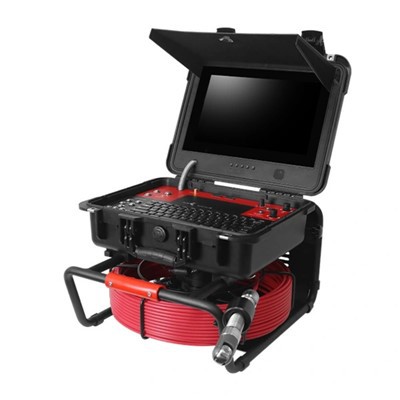
Pipe internal coating inspection is a crucial task in maintaining the integrity and functionality of pipelines across various industries, including oil and gas, water treatment, and municipal infrastructure. As a leading Pipe Robot supplier, we understand the significance of accurate and efficient inspection processes. In this blog post, we will delve into how our Pipe Robots perform pipe internal coating inspection, highlighting the technology, processes, and benefits involved.
The Role of Pipe Internal Coating Inspection
Pipe coatings serve multiple purposes, including corrosion protection, abrasion resistance, and flow enhancement. However, over time, these coatings can degrade due to factors such as chemical exposure, mechanical damage, and temperature variations. Regular inspection of pipe internal coatings is essential to detect early signs of damage, prevent leaks, and ensure the long - term performance of the pipeline.
Our Pipe Robot Technology
Our Pipe Robots are equipped with state - of - the - art technology designed to navigate through pipes of various sizes and configurations. They are built with high - precision sensors and cameras that can capture detailed images and data about the pipe interior.
The cameras on our Pipe Crawler Camera are capable of providing clear and sharp visuals, even in low - light conditions. These cameras can be adjusted to different angles, allowing for a comprehensive view of the pipe walls. The high - resolution images captured can be used to identify coating defects such as cracks, blisters, and delamination.


In addition to cameras, our Pipe Robots are also fitted with other sensors, such as ultrasonic sensors. Ultrasonic testing is a non - destructive testing method that can measure the thickness of the pipe wall and the coating. By analyzing the ultrasonic signals, we can detect areas where the coating has thinned or separated from the pipe surface.
Navigation and Maneuverability
One of the key features of our Pipe Robots is their exceptional navigation and maneuverability. They are designed to move through straight pipes, elbows, tees, and other complex pipe structures with ease. The propulsion systems of our robots are highly efficient, allowing them to move at a constant speed regardless of the pipe conditions.
The Pipe Crawler is equipped with caterpillar tracks or wheels that provide excellent traction inside the pipes. These tracks can be adjusted to different pipe diameters, ensuring a stable and smooth movement. The robots can also be remotely controlled, allowing operators to precisely position the robot at the desired inspection location.
Inspection Process
The pipe internal coating inspection process using our Pipe Robots typically involves the following steps:
Pre - inspection Preparation
Before the robot is deployed into the pipe, a thorough pre - inspection preparation is carried out. This includes cleaning the pipe to remove any debris or sediment that may interfere with the inspection. The pipe is also marked at regular intervals to help with the location of defects.
Robot Deployment
Once the pipe is ready, the Pipe Robot is inserted into the pipe through an access point. The operator uses a control unit to command the robot's movement and to start the data collection process. The robot begins to move through the pipe, capturing images and sensor data in real - time.
Data Collection and Analysis
As the robot moves through the pipe, the cameras and sensors collect data about the pipe interior. The images captured by the Crawler Camera System are transmitted to the control unit, where they can be viewed and analyzed by the operator. The ultrasonic sensor data is also processed to determine the coating thickness and integrity.
The operator can use advanced software tools to analyze the data. These tools can highlight areas of concern, generate reports, and create visual representations of the pipe interior. For example, color - coded maps can be used to show the thickness of the coating along the length of the pipe.
Post - inspection Reporting
After the inspection is complete, a detailed report is generated. This report includes information about the condition of the pipe coating, the location and size of any defects, and recommendations for maintenance or repair. The report can be used by the pipeline operators to make informed decisions about the future operation and maintenance of the pipeline.
Benefits of Using Our Pipe Robots for Coating Inspection
There are several benefits to using our Pipe Robots for pipe internal coating inspection:
Accuracy
The high - precision sensors and cameras on our Pipe Robots ensure accurate and reliable inspection results. We can detect even the smallest coating defects, allowing for early intervention and prevention of major problems.
Efficiency
Our Pipe Robots can cover large distances in a relatively short time. This reduces the time and cost associated with manual inspection methods. The real - time data collection and analysis also enable quick decision - making.
Safety
Inspecting pipes manually can be dangerous, especially in hazardous environments such as oil and gas pipelines. Our Pipe Robots eliminate the need for human entry into the pipes, reducing the risk of accidents and exposure to harmful substances.
Versatility
Our Pipe Robots can be used in pipes of various materials, sizes, and configurations. Whether it is a small - diameter water pipe or a large - diameter oil pipeline, our robots can adapt to the specific requirements of the inspection.
Applications in Different Industries
Oil and Gas Industry
In the oil and gas industry, pipe internal coating inspection is crucial for preventing corrosion and ensuring the safe transportation of oil and gas. Our Pipe Robots can be used to inspect pipelines in offshore platforms, refineries, and onshore transmission lines.
Water Treatment Industry
In the water treatment industry, the integrity of pipe coatings is essential for maintaining the quality of drinking water. Our Pipe Robots can be used to inspect water distribution pipes, sewage pipes, and desalination plant pipelines. The Storm Sewer Camera can be particularly useful for inspecting storm sewer systems, which are prone to damage from debris and flooding.
Municipal Infrastructure
For municipal infrastructure, such as sewer systems and district heating pipes, our Pipe Robots can help in detecting coating defects early, reducing the risk of leaks and service disruptions. The Sewer Camera Crawler is specifically designed for navigating through sewer pipes, providing detailed information about the condition of the pipe wall and coating.
Conclusion
Our Pipe Robots offer a reliable and efficient solution for pipe internal coating inspection. With their advanced technology, excellent navigation capabilities, and accurate data collection, they can help pipeline operators maintain the integrity of their pipelines and prevent costly repairs.
If you are interested in learning more about our Pipe Robots or would like to discuss your specific pipe inspection requirements, we welcome you to contact us for a detailed consultation. Our team of experts is ready to assist you in finding the best solution for your needs.
References
- ASME B31.8 - Gas Transmission and Distribution Piping Systems
- API 5L - Specification for Line Pipe
- ASTM D6161 - Standard Guide for Nondestructive Examination of Pipeline Coatings