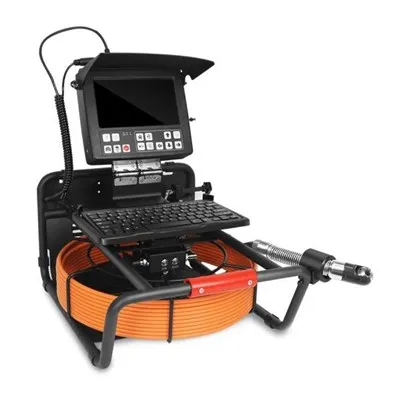
Hey there! As a supplier of Pipe Camera Locators, I know how crucial it is to keep these nifty tools in top - notch condition. A well - maintained Pipe Camera Locator not only lasts longer but also ensures accurate and reliable inspections. So, let's dive into some tips on how to maintain your Pipe Camera Locator.
Regular Cleaning
One of the most basic yet important steps in maintaining a Pipe Camera Locator is regular cleaning. After each use, the camera head and the cable can get dirty with debris, mud, and other gunk from the pipes. Start by gently wiping down the camera head with a soft, damp cloth. Make sure to clean the lens thoroughly, as any smudges or dirt on the lens can severely affect the image quality.
For the cable, you can use a mild soap solution and a sponge to clean it. Avoid using harsh chemicals that could damage the cable's outer layer. Pay special attention to the connectors. Over time, dirt and moisture can accumulate in the connectors, leading to poor electrical connections. Use a small brush to clean the connector pins gently.
If you're using the 55mm Underwater Camera Head, it's designed to withstand underwater use, but it still needs proper cleaning. Rinse it with fresh water after each underwater inspection to remove any salt or other contaminants.
Inspecting the Components
Regular inspections are key to catching any potential issues before they turn into major problems. Begin by visually inspecting the camera head. Look for any cracks, scratches, or signs of wear and tear. Even a small crack in the camera head can let water in, which can damage the internal components.
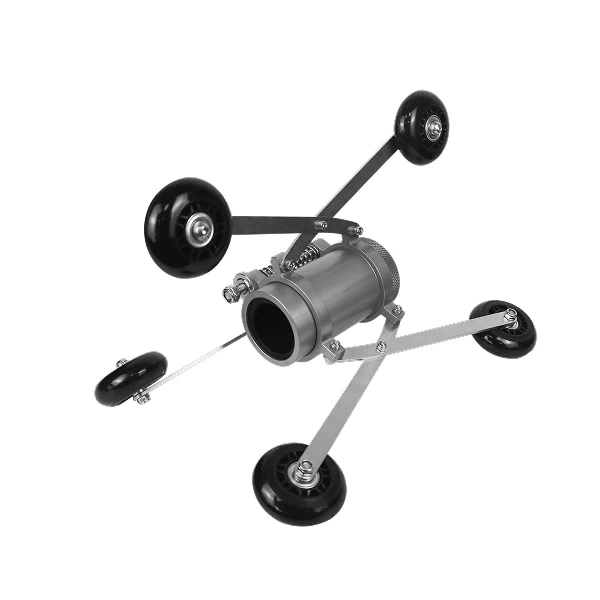

Check the cable for any cuts, abrasions, or bulges. A damaged cable can lead to signal loss or even pose a safety hazard. If you notice any issues with the cable, it's best to replace it as soon as possible.
The 14mm Camera Head is a compact option, but its small size doesn't mean it's immune to damage. Inspect its housing and the lens carefully, as any damage can impact its performance.
Also, don't forget to check the control unit. Look for loose buttons, damaged displays, or any signs of overheating. If you notice any strange noises or smells coming from the control unit, it could indicate an internal problem.
Proper Storage
How you store your Pipe Camera Locator when it's not in use can have a big impact on its lifespan. First of all, make sure to store it in a dry place. Moisture is the enemy of electronic devices, and it can cause corrosion and short - circuits.
Coil the cable neatly and avoid sharp bends or kinks. A kinked cable can damage the internal wires and affect the signal transmission. You can use cable ties or a cable reel to keep the cable organized.
If you have the 33mm Camera Head Stainless Steel Skid, store it in a way that protects it from scratches. You can use a padded case or a storage box to keep it safe.
Calibration
Calibration is an important part of maintaining the accuracy of your Pipe Camera Locator. Over time, the camera's settings can drift, leading to inaccurate measurements and images. Most Pipe Camera Locators come with a calibration procedure in the user manual.
Follow the steps carefully to calibrate the camera head and the control unit. Make sure to use a calibration target that is recommended by the manufacturer. Regular calibration ensures that you get reliable and consistent results from your inspections.
Battery Maintenance
If your Pipe Camera Locator is battery - powered, proper battery maintenance is essential. Always use the recommended type of batteries and follow the charging instructions. Overcharging or undercharging the batteries can reduce their lifespan.
When the batteries are not in use, store them in a cool, dry place. If you notice that the battery life is significantly decreasing, it might be time to replace the batteries. Some Pipe Camera Locators have a battery indicator on the control unit, which can help you keep track of the battery status.
Software Updates
Many modern Pipe Camera Locators come with software that can be updated. These updates often include bug fixes, performance improvements, and new features. Check the manufacturer's website regularly for software updates for your device.
Installing the latest software can enhance the functionality of your Pipe Camera Locator and ensure that it works smoothly. Make sure to follow the update instructions carefully to avoid any issues.
Training the Operators
Proper training of the operators is also a form of maintenance. A well - trained operator is less likely to misuse the Pipe Camera Locator, which can lead to damage. Provide training on how to use the device correctly, including how to handle the cable, operate the control unit, and interpret the images.
Training should also cover safety procedures, such as how to avoid electrical hazards and how to handle the device in different environments. Encourage operators to report any issues or concerns they notice during the inspections immediately.
Spare Parts Management
As a supplier, I know how important it is to have spare parts on hand. Keep a stock of essential spare parts, such as camera heads, cables, connectors, and batteries. This way, if something goes wrong during an inspection, you can quickly replace the faulty part and get back to work.
Make sure to source the spare parts from a reliable supplier. Using low - quality spare parts can lead to more problems in the long run. You can find some great spare parts like the 55mm Underwater Camera Head, 14mm Camera Head, and 33mm Camera Head Stainless Steel Skid on our website.
Conclusion
Maintaining a Pipe Camera Locator is not rocket science, but it does require some time and effort. By following these tips, you can ensure that your Pipe Camera Locator stays in good condition and provides accurate and reliable inspections for years to come.
If you're in the market for a Pipe Camera Locator or need any spare parts, don't hesitate to reach out. We're here to help you with all your Pipe Camera Locator needs and can assist you in making the right choices for your inspection requirements. Let's have a chat and see how we can work together to meet your goals.
References
- Manufacturer's user manuals for Pipe Camera Locators
- Industry best practices for equipment maintenance