Hey there! As a spare parts supplier, I know how crucial it is to ensure that the spare parts we offer are in tip - top shape and function perfectly. Testing the functionality of spare parts is not just a formality; it's a necessity to maintain customer satisfaction and the reputation of our business. So, let's dive into how we test these parts.
Visual Inspection
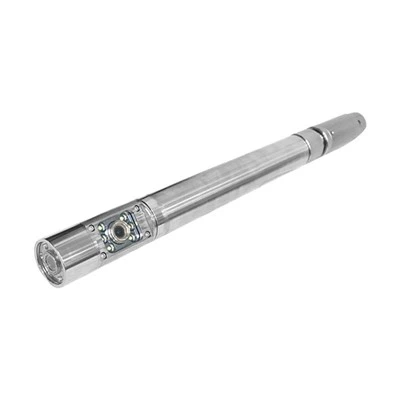
The first step in testing any spare part is a good old - fashioned visual inspection. When a batch of parts arrives at our warehouse, we start by looking at them closely. We're checking for obvious signs of damage, like cracks, dents, or corrosion. For instance, if we're dealing with the 40mm Camera Head Skid, we'll look at the outer casing to see if there are any chips or scratches that could affect its performance. A small crack in the casing might lead to water or dust ingress, which can ultimately damage the internal components of the camera head.


Visual inspection also involves checking the part's dimensions. We use precision measuring tools to make sure the part meets the specified size requirements. For example, the 23mm Camera Head should be exactly 23mm in relevant dimensions. Any deviation from this might mean the part won't fit properly in the intended device.
Electrical Testing
A large number of our spare parts are electrical components, and electrical testing is essential for them. We use specialized equipment such as multimeters to measure voltage, current, and resistance. For electronic camera heads like the Pipe Inspection Camera Head, we check the power supply to make sure it's within the correct range. If the voltage is too high or too low, it can cause the camera to malfunction or even damage it.
We also test for electrical continuity. This means checking if there is an unbroken path for the electric current to flow through the part. For instance, in a circuit board used in some camera head skids, a broken trace can disrupt the flow of electricity and render the part useless. By using a multimeter to test for continuity, we can quickly identify such issues.
Functional Testing
Once we've done the visual and electrical checks, it's time for the real deal: functional testing. This involves putting the spare part to work in a real - world or simulated environment. For example, with the 45mm Camera Head Skid, we might set up a test rig that mimics the conditions where the camera head will be used. We'll turn on the camera and check if it can capture clear images and if the movement functions, like panning and tilting, work smoothly.
In the case of mechanical parts, we'll test their movement and operation. If it's a moving part within a camera head skid, we'll check if it can move freely without any jams or excessive friction. We'll also test the durability of the part by subjecting it to repeated movements, similar to what it would experience in actual use.
Compatibility Testing
Another important aspect of testing spare parts is compatibility testing. We need to make sure that the parts we supply can work well with other components in the system. For example, the 50mm PT Camera Head Skid should be compatible with the control unit and the display device. We'll connect the part to different systems and see if there are any communication issues or if the performance is affected.
We also test for software compatibility if the part has any embedded software. We'll update the software to the latest version and check if the part still functions correctly. This is especially important for camera heads, as software updates can improve image quality and add new features.
Environmental Testing
The environment in which the spare parts will be used can vary widely. Some camera heads might be used in harsh outdoor conditions, while others could be used in clean indoor environments. So, we perform environmental testing.
For example, we'll expose the parts to different temperatures and humidity levels. We'll test the 40mm Camera Head Skid in a temperature - controlled chamber, ranging from extremely cold to very hot temperatures. This helps us ensure that the part can still function properly in different climates. We'll also test for moisture resistance by exposing the parts to high - humidity environments or even spraying them with water in a controlled manner.
Quality Control Checks
Throughout the testing process, we have strict quality control checks. We keep detailed records of every test result, including the date, time, the equipment used, and the outcome. If a part fails any test, we'll either repair it if possible or reject it.
We also have a team of experienced technicians who review the test results regularly. They use their expertise to identify any trends or recurring issues. For example, if multiple 23mm camera heads are failing a particular test, it could indicate a problem in the manufacturing process, and we'll take steps to address it.
Connecting with Us for Your Spare Parts Needs
Testing the functionality of spare parts is a multi - step process that requires attention to detail and a commitment to quality. At our company, we take pride in offering only the best - tested spare parts to our customers.
If you're in the market for high - quality spare parts, whether it's the 40mm Camera Head Skid, 45mm Camera Head Skid, 50mm PT Camera Head Skid, Pipe Inspection Camera Head, or 23mm Camera Head, we'd love to connect with you. Reach out to us to start a conversation about your specific requirements. We're here to help you find the perfect spare parts that meet your needs and exceed your expectations.
References
- "Electrical Testing Handbook"
- "Mechanical Parts Inspection Guide"
- "Environmental Testing Best Practices"