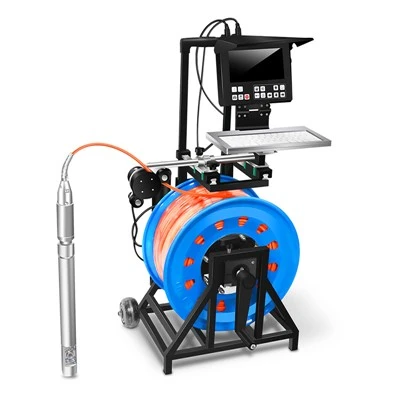
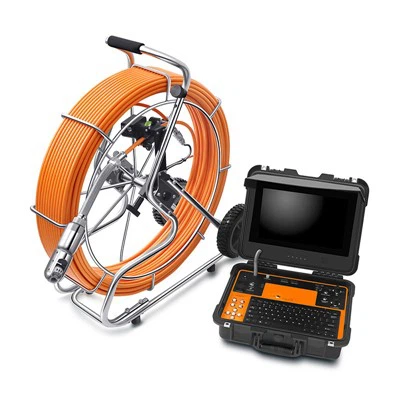
Hey there! As a supplier of Pan Tilt Push Cameras, I often get asked about the resolution of these nifty devices. So, I thought I'd take a deep dive into what resolution means for a Pan Tilt Push Camera and why it matters.
First off, let's break down what resolution actually is. In simple terms, resolution refers to the number of pixels that make up an image or video. The more pixels there are, the clearer and more detailed the picture will be. For a Pan Tilt Push Camera, resolution plays a crucial role in capturing high - quality visuals, especially when you're using it for inspections or other detailed tasks.
Let's talk about the different types of resolutions you might encounter with Pan Tilt Push Cameras. One of the most common resolutions you'll see is 720p. This stands for 1280 x 720 pixels. It's a decent resolution that offers a good balance between image quality and file size. With 720p, you can get a fairly clear view of what's in front of the camera, which is great for general inspections. For example, if you're using a Push Inspection Camera to check the inside of a small pipe, 720p can give you enough detail to spot any cracks or blockages.
Then there's 1080p, also known as Full HD. This resolution is 1920 x 1080 pixels, which provides a much sharper and more detailed image compared to 720p. When you're dealing with larger pipes or more complex inspection scenarios, 1080p can be a game - changer. You'll be able to see finer details like small scratches or the texture of the pipe walls. If you're running a professional inspection service and need to provide high - quality reports to your clients, a Self - leveling Pipe Camera System with 1080p resolution can really enhance the credibility of your work.
But the resolution doesn't stop there. There are also cameras that offer 2K and even 4K resolutions. 2K resolution typically has around 2560 x 1440 pixels, and 4K has 3840 x 2160 pixels. These higher resolutions are great for applications where you need the utmost detail. For instance, in large - scale pipeline projects, a Pipeline Inspection Cameras with 4K resolution can help engineers detect the slightest signs of wear and tear, which could prevent major failures down the line.
Now, you might be wondering why higher resolutions aren't always the go - to choice. Well, there are a few factors to consider. First, higher resolutions mean larger file sizes. This can be a problem if you have limited storage space on your camera or if you need to transfer the data quickly. Also, higher - resolution cameras tend to be more expensive. So, you need to weigh the benefits of having a super - detailed image against your budget and storage capabilities.
Another aspect to think about is the lighting conditions. Even the highest - resolution camera won't perform well in poor lighting. That's why many Pan Tilt Push Cameras come with built - in lights to illuminate the area being inspected. Some cameras have adjustable lights, allowing you to customize the brightness based on the situation.


The lens quality also matters. A high - quality lens can make the most of the camera's resolution. It can reduce distortion and ensure that the image is sharp from the center to the edges. When choosing a Pan Tilt Push Camera, don't just focus on the resolution; also look at the lens specifications.
In addition to the technical aspects of resolution, it's important to consider how the camera's pan, tilt, and push functions interact with the resolution. The pan and tilt features allow you to move the camera horizontally and vertically, giving you a wider field of view. When combined with a high - resolution image, you can get a comprehensive view of the inspection area. The push function, which allows you to extend the camera into hard - to - reach places, is also more effective when you have a clear and detailed image.
So, when you're in the market for a Pan Tilt Push Camera, think about your specific needs. If you're doing simple home inspections or small - scale projects, a 720p or 1080p camera might be sufficient. But if you're working on large - scale industrial projects or need to provide extremely detailed reports, investing in a 2K or 4K camera could be worth it.
As a supplier, I've seen firsthand how the right camera with the appropriate resolution can make a big difference in inspection work. Whether you're a professional inspector, a contractor, or a DIY enthusiast, having a high - quality Pan Tilt Push Camera can save you time and money in the long run.
If you're interested in learning more about our Pan Tilt Push Cameras or have any questions about resolution and which camera is right for you, don't hesitate to reach out. We're here to help you make the best choice for your inspection needs. Let's start a conversation and see how we can work together to get the job done right.
References
- General knowledge of camera technology and inspection camera applications.
- Industry standards and trends in pipeline inspection camera resolution.