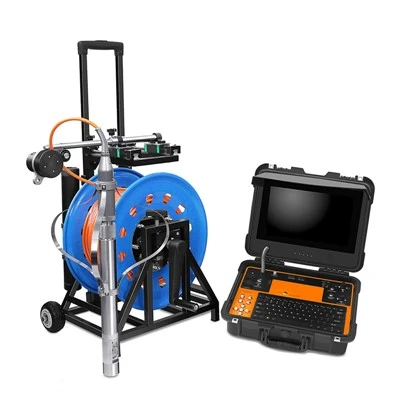
Hey there! As a supplier of Push Inspection Cameras, I often get asked about the sharpness of the images these cameras capture. So, I thought I'd take a deep - dive into this topic and share some insights with you.
First off, let's understand what image sharpness really means. In simple terms, image sharpness refers to how clear and detailed an image is. When it comes to push inspection cameras, sharpness is super important. These cameras are used in all sorts of inspection jobs, like checking pipes, sewers, and other hard - to - reach places. A sharp image can make it easier for inspectors to spot cracks, blockages, or other issues.
The sharpness of an image captured by a push inspection camera depends on several factors. One of the most crucial factors is the camera's resolution. Resolution is basically the number of pixels in an image. The higher the resolution, the more pixels there are, and the sharper the image. For example, a camera with a resolution of 1920x1080 (Full HD) will generally produce sharper images than one with a lower resolution, like 720x480.
Another factor that affects image sharpness is the lens quality. A high - quality lens can focus light more accurately onto the camera's sensor, resulting in a sharper image. Cheaper lenses might have issues like distortion or chromatic aberration, which can make the image look blurry or less clear. At our company, we make sure to use top - notch lenses in our Pipe Camera System to ensure the best possible image sharpness.
Lighting also plays a huge role in image sharpness. In many inspection scenarios, the areas being inspected are dark, like inside pipes. Without proper lighting, the camera might not be able to capture a clear image. That's why most push inspection cameras come with built - in lights. These lights can illuminate the area being inspected, making it easier for the camera to capture a sharp image. Some of our cameras, like the 13inch 33mm Pan Tilt Rotation Camera Sewage Pipe Inspection Camera for Drain Sewer 60Mtr, have adjustable lights so that you can get the perfect amount of illumination for your specific inspection needs.
The camera's sensor is yet another key component. A good sensor can capture more light and detail, leading to sharper images. There are different types of sensors available, such as CCD (Charge - Coupled Device) and CMOS (Complementary Metal - Oxide - Semiconductor). Each has its own advantages, but in general, newer CMOS sensors are known for their good performance in terms of image sharpness and low - light sensitivity.
Now, let's talk about how image sharpness impacts the inspection process. When you're using a push inspection camera to check a pipe, a sharp image can help you quickly identify problems. You can see small cracks, corrosion, or even the presence of foreign objects with much more clarity. This can save a lot of time and money in the long run. Instead of having to do multiple inspections or make guesses about what's wrong, you can get a clear picture right away.
For instance, if you're a plumber using our Pan Tilt Push Camera to check a sewage pipe, a sharp image can show you exactly where a blockage is. You can then decide the best way to remove it, whether it's using a snake or some other method.
In addition to resolution, lens quality, lighting, and sensor, the camera's firmware also affects image sharpness. The firmware is like the camera's software. It controls how the camera processes the image data. A well - optimized firmware can enhance the sharpness of the image by applying various algorithms, such as edge enhancement.
We're constantly working on improving the firmware of our push inspection cameras to ensure that you get the sharpest images possible. We also provide firmware updates to our customers so that they can always have the latest and greatest features.
When it comes to choosing a push inspection camera, don't just focus on the price. While it's important to stay within your budget, investing in a camera with good image sharpness can be a game - changer. A camera that produces blurry or unclear images can lead to misdiagnosis of problems, which can end up costing you more in the long run.
So, if you're in the market for a push inspection camera, look for one with a high resolution, a good - quality lens, proper lighting, and a reliable sensor. And of course, make sure to check out our range of products. We've got different models to suit different needs and budgets.


If you have any questions about the sharpness of our camera images or which camera would be best for your specific inspection job, don't hesitate to reach out. We're here to help you make the right choice. Whether you're a professional inspector or a DIY enthusiast, we've got the perfect push inspection camera for you. Let's start a conversation and see how we can meet your inspection needs.
References
- Camera Technology Basics: Understanding Resolution, Lenses, and Sensors. Camera Manufacturer's Handbook.
- Lighting in Industrial Inspection: Best Practices for Clear Imaging. Industrial Lighting Journal.
- Firmware Optimization for Image Quality in Inspection Cameras. Electronics Engineering Magazine.