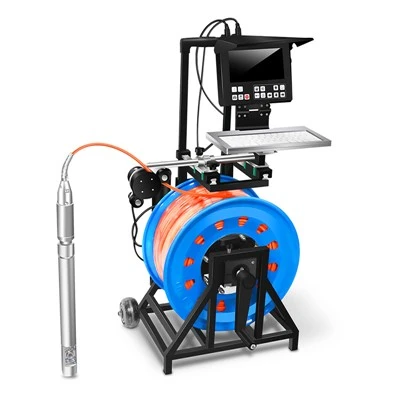
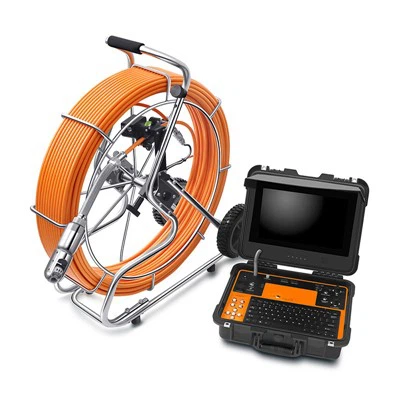
Push rod cameras are invaluable tools in various industries, especially in plumbing, construction, and infrastructure inspection. As a push rod camera supplier, I understand the importance of proper maintenance to ensure these devices operate at their best and have a long service life. In this blog, I'll delve into the essential maintenance tasks that a push rod camera needs.
Cleaning the Camera Head
The camera head is the most critical part of a push rod camera, as it captures the images and videos that are essential for inspections. Over time, the lens can accumulate dirt, debris, and moisture, which can significantly degrade the image quality. To clean the camera head, start by using a soft, lint - free cloth to gently wipe the lens. Avoid using abrasive materials that could scratch the lens.
If there are stubborn stains or debris, you can use a small amount of lens cleaning solution. Apply the solution to the cloth, not directly on the lens, and then carefully wipe the lens in a circular motion. For the exterior of the camera head, you can use a mild soap and water solution. Make sure to dry the camera head thoroughly after cleaning to prevent any water damage.
Inspecting and Maintaining the Push Rod
The push rod is the mechanism that allows the camera to reach deep into pipes and other hard - to - reach areas. It's important to regularly inspect the push rod for any signs of damage, such as cracks, bends, or fraying. A damaged push rod can not only affect the camera's ability to move smoothly but also pose a safety risk.
If you notice any minor damage, such as a small crack, you can use a suitable repair kit to fix it. However, if the damage is severe, it's best to replace the push rod. Additionally, lubricating the push rod can help it move more smoothly. Use a high - quality lubricant that is suitable for the material of the push rod. Apply the lubricant evenly along the length of the push rod, and then wipe off any excess.
Checking the Cable
The cable that connects the camera head to the control unit is another crucial component. Inspect the cable for any signs of wear and tear, such as cuts, abrasions, or exposed wires. A damaged cable can lead to signal loss or electrical problems.
If you find a minor cut or abrasion, you can use electrical tape to repair it temporarily. However, for more significant damage, it's advisable to replace the cable. Also, make sure the cable connections are secure. Loose connections can cause intermittent signal problems. Check the connectors at both ends of the cable and tighten them if necessary.
Battery Maintenance
Most push rod cameras are powered by batteries. Proper battery maintenance is essential to ensure the camera has a reliable power source. If your push rod camera uses rechargeable batteries, follow the manufacturer's instructions for charging. Overcharging or undercharging the batteries can reduce their lifespan.
Regularly check the battery terminals for any signs of corrosion. If you notice corrosion, clean the terminals with a mixture of baking soda and water. Use a small brush to gently scrub the terminals, and then rinse them with clean water and dry them thoroughly.
Calibration
Calibration is an important maintenance task that ensures the camera provides accurate and reliable images. Over time, the camera's settings may drift, leading to distorted or inaccurate images. Refer to the camera's user manual for the calibration procedure.
In general, calibration involves adjusting the camera's focus, color balance, and other settings to ensure optimal performance. Some push rod cameras have an automatic calibration feature, which can simplify the process. However, it's still a good idea to perform manual calibration periodically to ensure the best results.
Storage
Proper storage of the push rod camera is also crucial for its long - term maintenance. When not in use, store the camera in a clean, dry, and cool place. Avoid storing it in direct sunlight or in areas with high humidity, as this can damage the camera's components.
If possible, store the push rod camera in its original case or a protective storage container. This can help prevent dust, dirt, and physical damage. Also, make sure to wind the push rod and cable neatly to avoid tangling.


Software Updates
Many modern push rod cameras come with software that controls various functions of the camera. Regularly check for software updates from the manufacturer. Software updates can improve the camera's performance, add new features, and fix any bugs or security vulnerabilities.
To install a software update, follow the instructions provided by the manufacturer. Usually, this involves connecting the camera to a computer and downloading the update from the manufacturer's website.
Importance of Regular Maintenance
Regular maintenance of a push rod camera offers several benefits. Firstly, it ensures the camera provides high - quality images and videos, which are essential for accurate inspections. A well - maintained camera can detect even the smallest defects in pipes and other structures, helping to prevent costly repairs in the future.
Secondly, proper maintenance extends the lifespan of the camera. By taking care of the camera's components, you can avoid premature wear and tear, reducing the need for frequent replacements. This can save you money in the long run.
Finally, regular maintenance enhances the safety of using the push rod camera. A damaged or poorly maintained camera can pose a risk to the operator, especially in hazardous environments. By keeping the camera in good condition, you can ensure a safe working environment.
Our Product Range
As a push rod camera supplier, we offer a wide range of high - quality push rod cameras. For example, our Drain Pipe Pan Tilt Camera is designed for detailed inspections of drain pipes. It features a pan - tilt mechanism that allows for a wide range of viewing angles, providing a comprehensive view of the pipe interior.
Our 33mm Pan Tilt Rotation Camera 100ft Push Rod Cable Drainage Pipe Inspection Camera is another popular option. With a 100 - foot push rod cable, it can reach deep into drainage pipes, and the pan - tilt rotation feature enables precise positioning of the camera.
We also have the Self - leveling Pipe Camera System, which is ideal for inspecting pipes at different angles. The self - leveling feature ensures the camera remains horizontal, providing accurate and consistent images.
Contact Us for Purchase and Consultation
If you're in the market for a push rod camera or need more information about maintenance, we're here to help. Our team of experts can provide you with detailed advice on choosing the right camera for your needs and offer guidance on proper maintenance. Whether you're a professional plumber, a construction contractor, or involved in infrastructure inspection, our push rod cameras can meet your requirements. Don't hesitate to contact us for purchase and to discuss your specific needs.
References
- Manufacturer's user manuals for push rod cameras
- Industry standards and best practices for inspection camera maintenance
- Technical articles on plumbing and construction equipment maintenance