Hey there! I'm working for a Pipe Robot supplier, and I often get asked about what training is required to operate a Pipe Robot. Well, let's dive right into it!
First off, understanding the basics of the Pipe Robot itself is crucial. You can check out our Pipe Robot on our website to get a better look at what it's all about. These robots are pretty high - tech pieces of equipment, designed to navigate through pipes for various inspection and maintenance tasks.
Familiarization with the Robot's Components
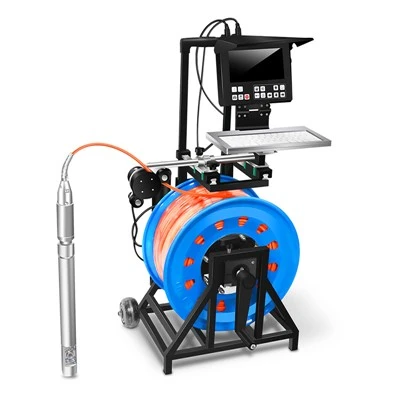
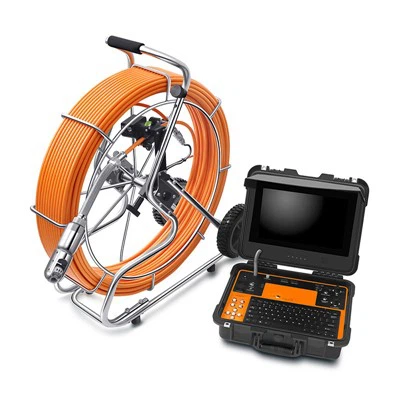
The first step in training is to get to know the different parts of the Pipe Robot. It's like learning the ins and outs of a car before you start driving it. The robot usually consists of a crawler unit, a camera system, and a control unit.
The Pipe Crawler is the part that moves inside the pipe. It needs to be able to handle different pipe diameters, slopes, and conditions. You've got to learn how to adjust the crawler's speed, direction, and how to deploy and retrieve it safely. For example, if the pipe has a sharp bend, you need to know how to maneuver the crawler without getting it stuck.
The camera system is another vital component. It's what allows you to see inside the pipe. You need to understand how to focus the camera, adjust the lighting, and even take snapshots or record videos. A good Storm Sewer Camera can make a huge difference in getting clear images of the pipe's interior. You'll also learn how to calibrate the camera to get accurate measurements of any defects or damages in the pipe.
The control unit is your command center. It's where you operate the crawler and the camera. You'll have to learn how to read the control panel, understand the different buttons and switches, and how to troubleshoot if something goes wrong. For instance, if the crawler suddenly stops moving, you need to be able to quickly figure out if it's a power issue, a mechanical problem, or a communication glitch.
Safety Training
Safety is always a top priority when operating a Pipe Robot. You're dealing with potentially hazardous environments inside the pipes, such as toxic gases, high - pressure water, or unstable structures.
First, you'll learn about personal protective equipment (PPE). This includes things like hard hats, safety glasses, gloves, and respirators. You need to know when and how to wear the right PPE for the job. For example, if you're working in a pipe that may contain harmful chemicals, you'll need a proper respirator to protect your lungs.
You'll also be trained on how to handle the Pipe Robot safely. This means making sure the robot is properly secured before deployment, and that all electrical connections are tight and safe. You'll learn about the risks of electrical shock and how to prevent it. For example, always make sure the power source is turned off when making any adjustments to the robot.
Another important aspect of safety training is emergency procedures. You need to know what to do in case of an accident, such as a fire, a flood, or if the robot gets stuck. This includes having an evacuation plan, knowing how to use fire extinguishers, and how to call for help.
Technical Skills Training
Operating a Pipe Robot requires some technical skills. You'll need to have a basic understanding of electronics, mechanics, and computer systems.
In terms of electronics, you'll learn about how the power supply works, how to troubleshoot electrical problems, and how to maintain the electrical components of the robot. For example, if the camera stops working, you might need to check the wiring or the power supply to the camera.


Mechanics is also important. You'll learn about the mechanical parts of the crawler, such as the wheels, the tracks, and the joints. You'll need to know how to lubricate the moving parts, how to replace worn - out components, and how to diagnose mechanical failures.
As for computer systems, most Pipe Robots today are controlled by software. You'll learn how to use the software interface to operate the robot, how to store and analyze the data collected by the camera, and how to generate reports. For example, you can use the software to mark the location of a defect in the pipe and generate a detailed report for your client.
Practical Training
All the theoretical knowledge in the world won't be much use if you don't get some hands - on experience. That's why practical training is a big part of the process.
You'll start with some simulated training exercises. This allows you to practice operating the Pipe Robot in a controlled environment without the risks of real - world conditions. You can practice deploying and retrieving the robot, maneuvering it through different pipe configurations, and using the camera system to inspect the pipe.
After the simulated training, you'll move on to real - world applications. You'll work on actual pipes, under the supervision of an experienced operator. This is where you'll really learn how to deal with the challenges of the job, such as unexpected pipe conditions, difficult access points, and time constraints.
Certification and Continuing Education
Once you've completed the training, you may be eligible for a certification. This certification shows that you have the skills and knowledge to operate a Pipe Robot safely and effectively. It can also enhance your job prospects and credibility in the industry.
But the learning doesn't stop there. The technology in the Pipe Robot industry is constantly evolving. You'll need to keep up with the latest advancements by participating in continuing education programs. This could include attending workshops, webinars, or training courses on new features and functions of the Pipe Robot.
In conclusion, operating a Pipe Robot requires a combination of knowledge, skills, and experience. The training covers everything from understanding the robot's components to safety procedures, technical skills, and practical experience. If you're interested in purchasing a Pipe Robot for your business or project, we'd love to have a chat with you. Whether you're a contractor, a utility company, or an inspection service provider, our Pipe Robots can meet your needs. Reach out to us to start the procurement process and let's discuss how we can help you get the most out of your Pipe Robot investment.
References
- Industry standards and guidelines for Pipe Robot operation
- Manufacturer's manuals and training materials for Pipe Robots