


Selecting a reliable borehole camera is a critical decision for engineers involved in groundwater exploration, well maintenance, geological surveying, and underground infrastructure inspection. Boreholes are typically deep, narrow, and low-visibility environments, meaning that inspection accuracy depends heavily on the performance of the camera system. A properly selected borehole inspection camera system allows engineers to quickly identify underground conditions, reduce unnecessary drilling, and make more confident field decisions based on real visual evidence.
In the industry, a borehole camera is also commonly referred to as a downhole inspection camera, well inspection camera, borewell video inspection camera, deep well camera system, or submersible borehole CCTV camera. Despite different naming conventions, they all describe a waterproof imaging system designed to descend into vertical shafts and transmit live video from underground environments.
How Borehole Cameras Are Used in Engineering
A borehole inspection camera system is used whenever engineers need direct visual confirmation of underground conditions instead of relying only on indirect data such as flow rate or pressure readings. In groundwater engineering, for example, it is used to check casing integrity, detect cracks, and observe sediment accumulation. In geological exploration, it helps engineers analyze formation layers and identify anomalies inside drilled holes.
A deep well inspection camera is especially valuable when unexpected issues occur during drilling or maintenance. Instead of guessing the cause of blockage or water failure, engineers can directly inspect the internal condition of the borehole in real time. This significantly improves troubleshooting efficiency and reduces operational risks.
Key Factors When Choosing a Borehole Camera System
When selecting a borehole camera system for engineers, depth capability is one of the most important parameters. Different applications require different working ranges. For example, shallow residential or agricultural wells may require 50–100 meters, while industrial and geological projects often require 100–300 meters or even deeper. For advanced exploration or mining environments, systems can extend up to 600 meters, where cable strength, reel stability, and signal integrity become critical.
Image quality is another essential factor. A professional borehole CCTV camera system should provide stable high-definition imaging (commonly 1080P or higher), with strong low-light performance for dark underground environments. Because boreholes often contain sediment, turbidity, or mineral deposits, adjustable LED lighting around the camera head is necessary to maintain clear visibility under different conditions.
Waterproof and structural durability also play a key role. A reliable submersible borehole camera must meet IP68 waterproof standards and operate under continuous water pressure without signal degradation. In long-term engineering use, corrosion-resistant materials are also important to ensure stable performance in harsh underground environments.
Bestder Borehole Camera Options for Engineering Applications
Bestder offers a range of professional borehole camera systems designed for different depths and inspection requirements. These systems are widely used in engineering, geological surveying, and industrial well maintenance due to their stability and flexible configuration options.
For medium-depth applications, Bestder provides 29mm and 33mm PT rotation borehole cameras, which are commonly used in standard well inspection and groundwater maintenance projects. These models support pan and tilt rotation, allowing engineers to inspect borehole walls from multiple angles with high precision.
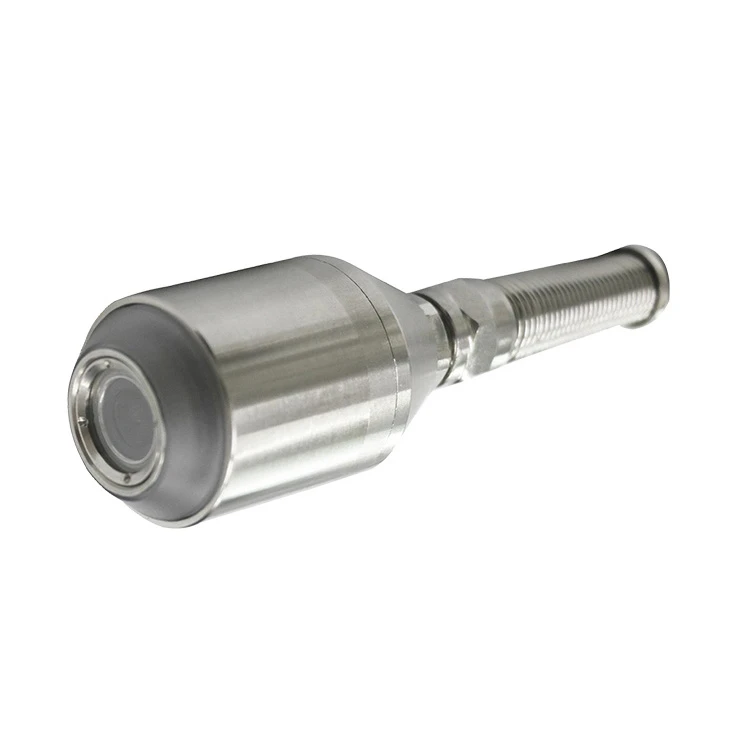
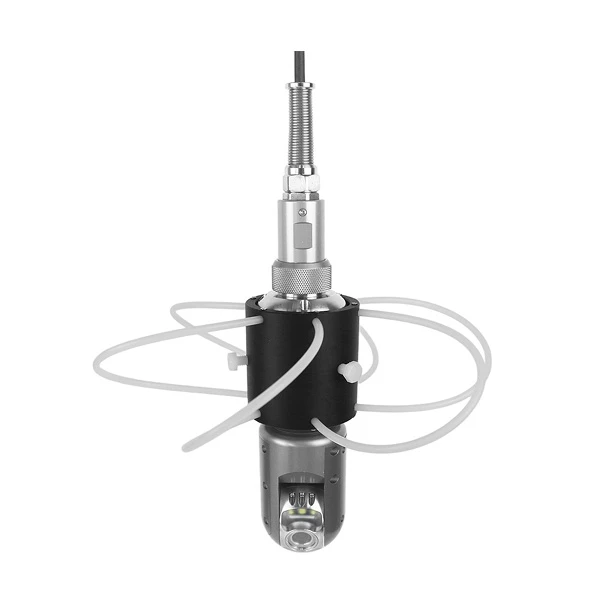
For deeper or more advanced inspection tasks, Bestder also offers 55mm, 50mm PT rotation and 45mm dual-view borehole cameras, designed for industrial-grade environments where higher durability and deeper reach are required. These systems are suitable for complex underground conditions where both image stability and mechanical strength are critical.
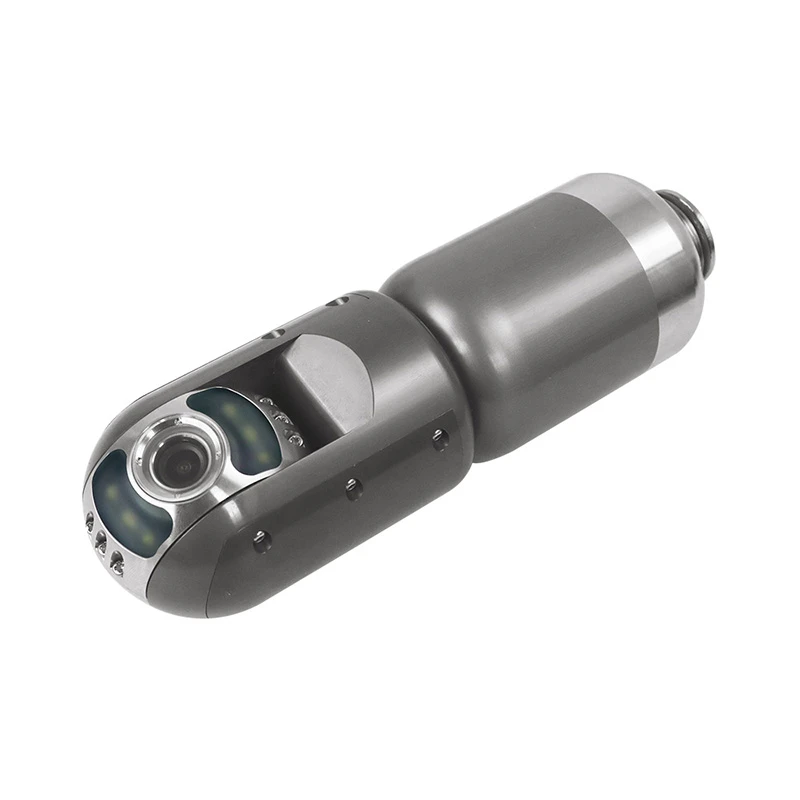
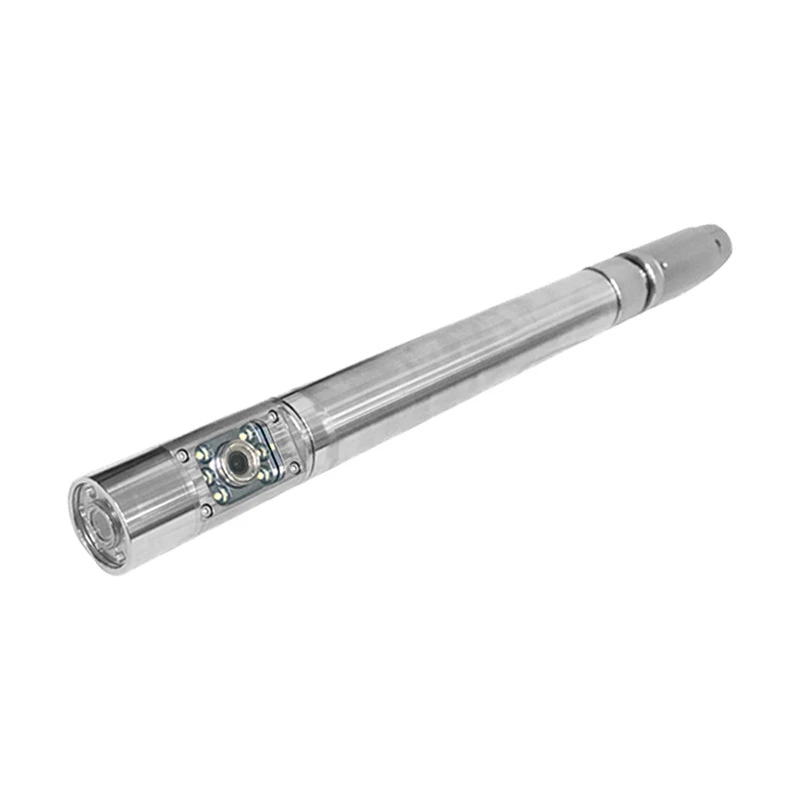
In addition, the 45mm dual-view borehole camera system provides both forward and side viewing capabilities, allowing engineers to capture multiple perspectives in a single inspection. This is particularly useful when evaluating casing conditions, detecting sidewall defects, or analyzing irregular borehole structures.
Across the full product range, Bestder borehole camera systems support working depths from 50 meters up to 600 meters, depending on configuration. This wide depth range makes them suitable for applications ranging from residential water wells to large-scale industrial and geological exploration projects.
Camera Head Design and Field Performance
The camera head is the most important component of any downhole camera system, as it determines how much visual information can be captured inside the borehole. Bestder systems are designed with advanced pan and tilt functionality, enabling 360° horizontal rotation and 180° vertical tilt. This allows engineers to inspect all directions inside the borehole without repositioning the system repeatedly.
Some models also feature self-leveling technology, which helps maintain an upright image during descent, improving usability in real field conditions where cable twisting is common. Wide-angle lenses are also used to expand the field of view, making it easier to capture structural details in a single frame.
Cable System and Depth Control
In any borewell inspection camera system, the cable and reel system plays a decisive role in performance stability. Bestder systems use reinforced cables designed for high-tension underground deployment, ensuring stable signal transmission even at greater depths.
Depending on the configuration, systems support working depths ranging from 50 meters to 600 meters, with heavy-duty reel structures designed for deep well applications. Many models also include a digital depth counter, allowing engineers to accurately track inspection positions inside the borehole. This is essential when documenting structural issues or locating underground blockages.
For deeper systems, motorized reel options are often used to improve operational efficiency, reduce manual effort, and ensure smoother cable deployment during long-distance inspections.
Common Types of Borehole Inspection Cameras
Different engineering environments require different configurations of borehole inspection camera systems.
Standard systems are typically used for routine well maintenance and shallow inspections where portability and quick deployment are important. These systems are compact and easy to operate in field conditions.
Pan-tilt systems are more advanced and are commonly used in professional engineering applications where directional control and detailed structural inspection are required. They are suitable for identifying cracks, corrosion, and irregular formations inside boreholes.
Dual-view systems, such as Bestder's 45mm configuration, are designed for multi-angle inspection tasks. These systems allow engineers to observe both forward and side views simultaneously, improving diagnostic efficiency in complex borehole conditions.
For deep exploration projects, heavy-duty systems with extended cable lengths up to 600 meters are used. These systems are built for industrial and geological applications where stability, durability, and imaging reliability are essential.
Final Considerations for Engineers
When selecting a professional borehole camera system, engineers should focus on overall system performance rather than just initial cost. In real field environments, imaging stability, depth capability, cable durability, and waterproof performance are far more important than price differences. A poorly designed system may lead to unclear imaging or even failure during critical inspection tasks.
Bestder's borehole camera systems combine multiple camera sizes (29mm, 33mm, 45mm dual-view, 50mm, and 55mm PT rotation models) with flexible depth configurations ranging from 50 meters to 600 meters. This makes them suitable for a wide range of engineering applications, from standard well maintenance to advanced geological exploration.
Ultimately, whether referred to as a borehole inspection camera, downhole camera system, or deep well CCTV camera, the goal remains the same: to provide engineers with reliable, real-time visual access to underground environments for safer and more accurate decision-making.


