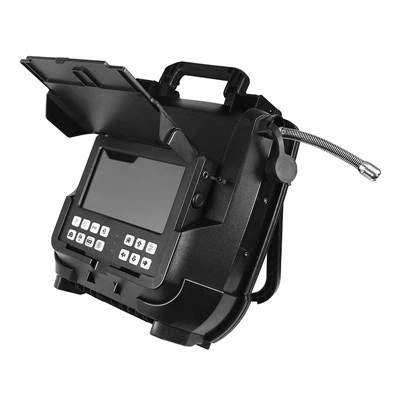
Managing water resources efficiently requires precise monitoring of reservoirs, wells, and pipelines. Using a Deep Well Camera can dramatically improve safety, reduce maintenance costs, and optimize operational efficiency.
1. Detect Problems Before They Escalate
Deep well cameras provide high-resolution footage to detect corrosion, blockages, sediment buildup, and structural issues in vertical wells or submerged pipelines. For instance, a municipal water authority in California used a BESTDER Deep Well Camera to inspect a 120-meter drinking water well. The camera identified a buildup of mineral deposits that had begun to restrict flow. Early detection allowed the city to schedule maintenance before it caused a water supply disruption, saving thousands in emergency repair costs.
2. Reduce Human Risk
Manually inspecting deep wells can be dangerous due to confined spaces, potential toxic gases, and water hazards. Using a dual-view deep well camera, operators can perform inspections remotely without entering the well, reducing safety risks. In a mining facility in Nevada, operators deployed a deep well camera to inspect vertical water drainage shafts. The system provided real-time 360° visuals, allowing them to assess the condition safely from the surface.
3. Save Time and Operational Costs
Deep well cameras with long push rod cables and 360° rotation enable fast, thorough inspections. A wastewater treatment plant in Texas reported that using a deep well camera reduced inspection time by 50% compared to traditional methods. With the camera's dual-view rotation, technicians could inspect the full well diameter in a single pass, reducing labor costs and downtime.
4. Compatible with Data Recording Systems
Modern deep well cameras integrate seamlessly with DVR and monitoring systems, allowing inspection footage to be recorded, analyzed, and shared. This is crucial for regulatory compliance and maintenance planning. For example, an industrial water plant in Ohio used the recorded footage from a deep well camera to document well conditions for environmental audits, avoiding penalties and proving compliance with water safety regulations.
5. Durable and Reliable in Harsh Environments
Cameras like BESTDER's Deep Well Camera are built with IP68 waterproofing and corrosion-resistant materials, designed for prolonged use in harsh conditions. From high-pressure industrial wells to submerged municipal water shafts, the system ensures consistent performance. A mining company in Canada used the camera in icy, high-pressure boreholes during winter inspections, and the camera maintained full functionality without any image distortion or cable failure.
Conclusion:
Integrating a Deep Well Camera into water resource management practices enhances operational safety, reduces maintenance costs, and improves inspection accuracy. Real-world cases from municipal water authorities, industrial plants, and mining operations demonstrate that early detection, remote operation, and high-quality imaging can prevent costly failures and ensure continuous, safe water management.
CTA:
Discover the full capabilities of our Deep Well Camera for water, industrial, and mining applications here.