


In today's industrial landscape, subsurface operations are more complex and demanding than ever. From oil & gas wells to mining shafts, water wells, and municipal infrastructure, operators must manage risk, optimize productivity, and ensure asset integrity under challenging conditions. Traditional indirect inspection methods - such as acoustic logging, pressure testing, or mechanical sensors - often fail to provide a complete picture.
A Downhole Well Camera solves this problem by delivering direct visual insight from deep underground, allowing engineers, inspectors, and managers to make informed decisions based on high-resolution, real-time data.
For B2B buyers - including oilfield service companies, mining contractors, municipal authorities, and equipment distributors - a downhole well camera is not just a tool, but a strategic investment that improves safety, efficiency, and long-term cost control.
What Is a Downhole Well Camera?
A Downhole Well Camera is a specialized inspection device designed to capture live video from boreholes, wells, and underground structures. Unlike standard industrial cameras, these systems are engineered to withstand extreme conditions, including:
Water immersion and mud exposure
High humidity and corrosion
Abrasive or sandy environments
Long deployment depths
Key components of a downhole well camera system typically include:
- A high-definition 50mm PT rotation camera head
- Motorized pan and tilt (PTZ) control for full 360° visual coverage
- Industrial-grade cable for power and data transmission
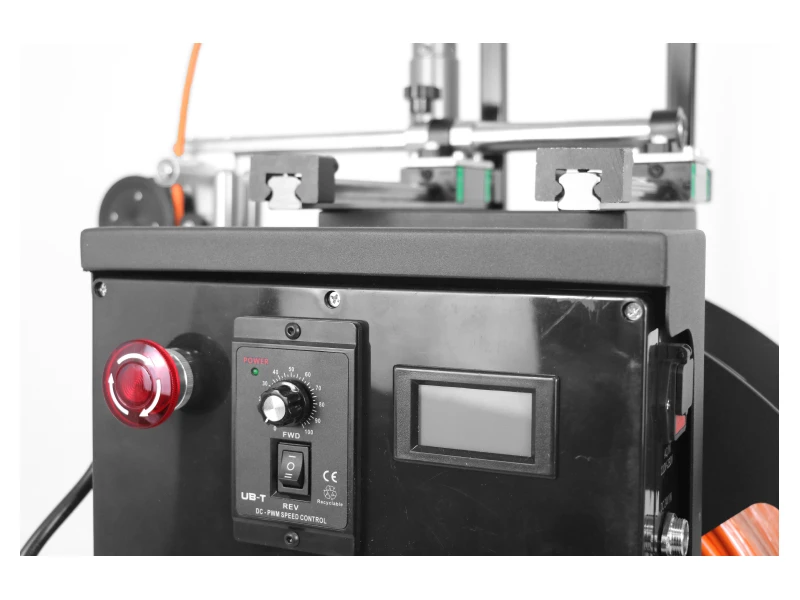
- Motorized cable reel for controlled deployment
- Surface control and display unit for live viewing, recording, and data analysis
Together, these features allow engineers to perform inspections that were previously impossible without sending personnel into hazardous conditions.
Core Technical Advantages of a Downhole Well Camera
Choosing the right downhole well camera depends on several key technical capabilities.
1. High-Definition Imaging for Maximum Clarity
A professional downhole well camera uses:
High-sensitivity CMOS sensors with 1080P resolution or higher
Integrated LED lighting for dark or confined spaces
Optimized optical design for clarity over varying distances
This ensures operators can detect fine cracks, corrosion, scaling, debris, misalignment, or structural deformation, even in challenging underground conditions.
2. 360° Pan and 180° Tilt for Full Coverage
The PTZ (pan-tilt-zoom) mechanism allows complete coverage of the well or borehole:
- 360° horizontal rotation eliminates blind spots
- 180° vertical tilt reaches the well bottom, side walls, and overhead sections
Full-range coverage ensures inspections capture the entire subsurface environment, reducing missed defects and improving diagnostic accuracy.

3. Manual Focus for Reliability
Automatic focus systems often struggle in low-light, muddy, or reflective conditions. A manual focus system provides:
- Consistent sharpness
- Flexibility for different depths
- Reduced risk of focus hunting or blurry images
This makes manual focus the preferred choice for professional B2B inspections.
4. Industrial-Grade Cable and Motorized Cable Reel
A camera is only as effective as its deployment system. High-performance downhole well cameras feature:
Reinforced, waterproof, corrosion-resistant cable
Smooth deployment and retrieval via 13-inch industrial cable reels
Capability for depths of 100 meters or 200 meters
This ensures stable signal transmission and operational reliability, even in deep or high-frequency inspections.

5. IP68 Waterproof Rating and Rugged Construction
Downhole conditions can be harsh. IP68-rated cameras withstand:
Full water immersion
Mud, sand, and abrasive materials
High-pressure underground environments
Construction materials such as stainless steel extend durability and long-term service life.
Key Applications Across Industries
A Downhole Well Camera is versatile and widely used across multiple sectors:
-
Oil & Gas
Inspect wellbore integrity
Detect casing damage and obstructions
Verify tool placement and perforation zones
Reduce costly workovers and downtime
-
Mining and Geological Exploration
Assess borehole stability and fractures
Monitor water ingress and loose formations
Support drilling, blasting, and exploration decisions
-
Water Wells and Municipal Systems
Detect scaling, sand intrusion, and reduced flow
Inspect casings, screens, and joints
Plan maintenance and rehabilitation efficiently
-
Infrastructure and Tunnels
Inspect vertical shafts, stormwater chambers, and drainage systems
Identify structural deterioration before it affects safety
Maintain city infrastructure proactively
Why B2B Buyers Choose a Downhole Well Camera
Investing in a downhole well camera offers quantifiable business value:
1. Reduced Operational Risk
Direct visual evidence reduces uncertainty, enabling faster root-cause analysis, fewer misdiagnosed issues, and lower risk of incorrect interventions.
2. Lower Total Cost of Ownership
High-quality cameras minimize repeat inspections, prevent downtime, and reduce labor costs, delivering long-term savings that outweigh the upfront investment.
3. Enhanced Safety and Compliance
Cameras reduce the need for personnel entry into confined or hazardous spaces, improving worker safety and ensuring compliance with HSE regulations.
4. Faster Project Completion
Real-time video enables immediate decision-making, shortens maintenance cycles, and increases operational efficiency.
5. Professional Reporting
High-definition recordings improve transparency, facilitate client communication, and strengthen credibility in audits and inspections.
6. Data-Driven Asset Management
Regular inspections create a historical record of well conditions, supporting predictive maintenance and informed long-term planning.
7. Cross-Industry Flexibility
A single downhole well camera can be used in oil & gas, mining, water wells, municipal drainage, and exploration, maximizing utilization and ROI.
8. Competitive Advantage
Service providers can offer higher-value contracts and demonstrate superior technical capability, differentiating themselves in the marketplace.
9. Customization and Scalability
OEM and ODM options allow tailored cable lengths, camera sizes, and output formats to meet specific operational needs.
10. Strategic Asset, Not Just a Tool
For B2B operators, a downhole well camera represents better control, higher productivity, improved safety culture, and data-driven decision-making.
Future Trends
The market for downhole well cameras continues to evolve:
- Higher-resolution cameras (4K and beyond)
- Enhanced LED lighting and power efficiency
- Integrated logging and sensor systems
- AI-assisted defect detection and automated reporting
These trends underscore the importance of investing in reliable, high-performance systems today to stay competitive tomorrow.
Conclusion
A Downhole Well Camera is more than an inspection device - it is a decision-support system for subsurface operations.
For industrial buyers, it delivers:
- Clear, actionable visual data
- Faster, safer inspections
- Reduced operational risk and costs
- Improved client confidence and regulatory compliance
Whether in oil & gas, mining, water management, or municipal infrastructure, integrating a downhole well camera into your workflow is a strategic investment with measurable ROI.
By providing direct insight into subsurface conditions, these cameras empower engineers and managers to operate smarter, safer, and more efficiently.
For more information about our Downhole Well Camera or other inspection camera systems, please feel free to reach out to us via email at info@bestdertech.com. Our experienced technical team is ready to offer you a professional inspection solution.


