


In routine water pipe maintenance and troubleshooting, plumbers often face numerous challenges with traditional inspection methods. These methods often require extensive excavation, such as breaking down walls or the ground. This is time-consuming and expensive, and it's difficult to pinpoint the exact location of the problem. However, technological advancements have revolutionized this field, with drain cameras offering high-definition images that allow you to visualize the interior of pipes without excavation, quickly locating faults and significantly saving time and money.
However, there are numerous types of drain cameras on the market, each with its own distinct features. How can you choose the best drain camera for your business? This article provides a detailed buying guide to help you avoid blind choices and ensure you get the best value for your money.


I. Key Features of Drain Cameras
Drain cameras offer a wide range of functions, and different models have different characteristics in terms of image quality, stability, and operability. The following are several key features to consider when choosing a drain camera:
1. Video Quality and Recording
Clear video is a core feature of drain cameras. Higher resolution helps you more accurately identify pipe problems and reduce the need for repeated inspections. An ideal drain camera should have the following features:
**High-definition resolution (720p or 1080p)**: High-definition video ensures you can clearly see every detail of the pipe.
**Digital Video Recording (DVR)**: Recording and playback functions allow you to review the inspection process at any time and save important footage.
**Still Image Capture**: Sometimes a clear photo is more convincing than a video, especially when you need to prove the severity of a pipe failure to a client.
**Long Battery Life**: High-quality drain cameras typically feature a large-capacity battery, ensuring they don't require frequent charging during extended operation.
**Multiple Storage Options**: Supports SD cards, USB flash drives, or internal storage for data storage and management, facilitating later analysis and report generation.
2. Cable Length and Durability
The cable length directly affects the device's flexibility and the range of its inspection. For typical residential pipes, a 50ft to 100ft (30Mtr) cable is sufficient; however, for inspecting longer pipes or larger commercial buildings, a longer cable over 100ft to 200ft(60Mtr) is required. When selecting a camera, you should also consider the cable's robustness. Ideal cables are typically reinforced to withstand physical impact and damage from debris within the pipe.
3. Camera Head Size and Lighting
Camera head size and lighting are crucial for drain pipe inspections. Smaller pipes require a smaller camera, while spacious industrial ducts require a larger, more penetrating camera. A good lighting system is also essential. LED lights provide sufficient brightness in low-light conditions, ensuring clear images and revealing cracks, corrosion, or other problems within the pipe.
4. Positioning Technology
High-end drain cameras often feature a positioning(locator) system that allows you to precisely pinpoint the location of a fault. This feature is crucial, especially in long pipes or complex pipe networks, as accurate positioning can save significant time during excavation and inspection. Generally, positioning systems that support 512Hz or 640Hz signals are more accurate and provide real-time positioning feedback.
5. Portability and Design
A good plumbing drain camera should be easy to carry and set up. Make sure to choose a unit with:
◆ Compact design (fits in a van or toolbox)
◆ A strong case to protect it during transport
◆ Wheels or handles for larger systems
◆ Weatherproof parts to work in rain or wet locations
The easier it is to use, the more time you'll save on the job.
II. Other Factors in Choosing the Right Drainage Camera
In addition to the core features listed above, you should consider the following additional factors when purchasing a Drainage Camera:
1. Pipe Size Compatibility
Different drainage systems have different pipe sizes. For most residential projects, a standard push-bar camera will suffice; however, inspections of larger pipes may require a device with higher performance and greater adaptability. When selecting a camera, ensure that the camera size matches your actual pipe specifications.
2. Environmental Compatibility
Some drainage cameras may need to operate in extremely harsh environments, such as those subject to humidity, corrosion, or high temperatures. In these cases, choosing a device that is corrosion-resistant, heat-resistant, or waterproof is particularly important.
3. User Experience
For technicians or novices, choosing a camera with simple, intuitive operation is a wise choice. For experienced professionals, higher-end models with richer features and slightly more complex operation may be more suitable. When choosing, it's best to select the device that best suits the user's experience level.
4. System Integration Capabilities
Modern drainage cameras are more than just simple inspection tools; they can be integrated with other equipment or software systems. Some high-end devices can transmit inspection results to smart devices in real time and even generate automated inspection reports, greatly improving work efficiency.
III. How to Choose the Right Drain Camera for Businesses of Different Sizes?
Businesses and projects of different sizes have significantly different requirements for drain cameras. Choosing the right device not only improves inspection efficiency but also effectively controls costs. The following configuration recommendations are for different business types:
1. Small Businesses/Independent Plumbers
This type of user primarily performs residential pipe inspections and has high requirements for cost and portability.


Recommended Configuration:
----Small straight camera head or rotating camera head
----Inspection Camera system with a 50ft – 100ft flexible cable
----720p resolution
----Simple DVR or photo recording function
Key Points:
Strive for a balance between price and reliability. Choose a lightweight, portable, and easy-to-maintain model to meet daily residential inspection needs.
2. Medium-Sized Businesses (Residential + Light Commercial Projects)
This type of business handles both residential and small commercial projects and has higher requirements for functionality and inspection coverage.

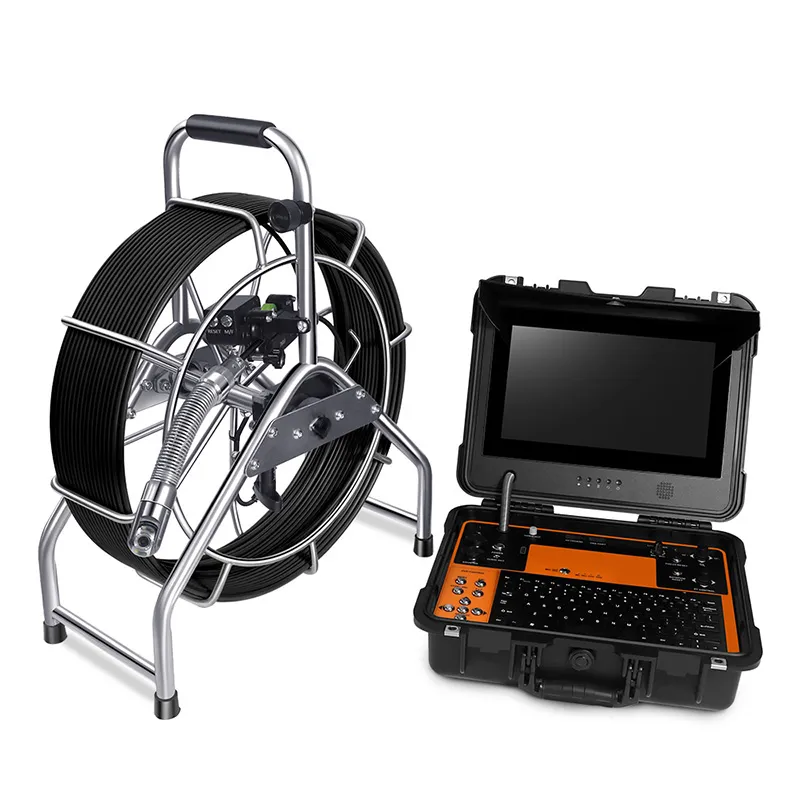

Recommended Configuration:
----Straight camera head or rotating camera head
----Cable Length 100ft – 150 ft
----Resolution Upgraded to 1080p
----Built-in Positioning Function
----Software Supporting Inspection Report Output on Tablets or Computers
Key Points for Selection:
Strike a balance between functionality and cost, keeping an eye on ongoing maintenance costs and spare parts availability to ensure the equipment operates efficiently in multiple scenarios.
3. Large Enterprise/Municipal and Industrial Projects
Large enterprises often undertake municipal drainage or industrial pipe network inspections and need professional-grade equipment to handle complex environments.


Recommended Configuration:
----Fully pan 360deg tilt 180deg rotating camera head
----Industrial-grade Climbing Camera or High-Rugged Actuator System
----Extra-Long Rigid Actuator Cable, e.g., over 300 ft to 492ft(150Mtr)
----High-Brightness Lighting System
----Professional Positioning Device with Advanced Reporting/Cloud Storage
Key Points for Selection:
Focus on equipment durability (corrosion resistance, high temperature resistance, and chemical resistance), while ensuring a stable supply chain and localized after-sales service support to meet the demands of high-intensity operations.
IV. Budget and Maintenance (Long-Term Cost Assessment)
When purchasing a drainage camera, budget and long-term maintenance costs are key considerations. A reasonable investment not only impacts the lifespan of the equipment but also directly impacts future operational efficiency and profitability.
1. New VS. Used Equipment
New equipment typically comes with a more comprehensive warranty, the latest technology, and better financing options. While the initial investment is higher, its greater stability and reliability can reduce the frequency and cost of future repairs.
In contrast, used equipment, while less expensive, often carries risks such as wear and tear on cables and cameras, potentially requiring more maintenance. When purchasing used equipment, be sure to carefully inspect the condition of key components. For businesses planning long-term operations, purchasing new equipment is often a wiser investment.
2. Return on Investment (ROI)
The payback period for a high-quality drainage camera is typically between 6 and 12 months, depending on the business volume and frequency of use. The high-resolution imaging and efficient detection capabilities of high-quality equipment help technicians locate problems more quickly, reducing labor and rework costs, resulting in a faster return on investment. Businesses can calculate ROI by evaluating monthly inspection revenue against equipment depreciation and maintenance expenses, enabling more effective budget planning.
3. After-Sales and Routine Maintenance
It is crucial to choose a brand with comprehensive after-sales service and local repair support. Prioritize understanding the manufacturer's warranty terms, cable damage liability, and spare parts availability to ensure timely maintenance should any equipment issues arise.
Regarding routine maintenance, it is recommended to clean the camera and cable after each use, inspect for wear, and keep the battery charged and dry. Regular maintenance not only extends the life of the equipment but also effectively prevents downtime and losses caused by equipment failure.
V. Drainage Camera Technology Trends
With the continuous advancement of technology, drainage camera technology is also undergoing continuous innovation and development. The following are some technological trends in modern drainage cameras, reflecting the industry's innovative and intelligent development:
1. Wireless Camera Technology
Wireless cameras are gradually becoming the mainstream choice for drainage inspections. Using wireless networks such as WIFI or Bluetooth, these cameras can transmit captured real-time images and videos directly to smart devices such as phones, tablets, or computers. This wireless connection overcomes the limitations of traditional wired cameras and greatly enhances operational flexibility. Operators can remotely monitor pipeline conditions in real time without the need for on-site operation, improving work efficiency and convenience. The use of wireless drainage cameras is particularly important in complex or confined spaces, making comprehensive inspections easier.
2. Software Integration and Automation
With the increasing demand for drainage inspections, the integration of drainage cameras with dedicated software systems has become increasingly important. Modern cameras are more than just simple video capture tools; they can seamlessly integrate with intelligent software platforms to automatically analyze pipeline conditions and generate professional inspection reports. This automation not only reduces the risk of manual input errors but also significantly improves work efficiency. Automatically generated reports help engineers and maintenance personnel quickly understand pipeline issues, enabling more timely and accurate decision-making. Furthermore, some systems enable multi-party collaboration through cloud storage and data sharing, further improving management efficiency and responsiveness.
3. Artificial Intelligence and Intelligent Diagnosis
The incorporation of artificial intelligence (AI) technology has made drainage cameras more intelligent, enabling operators to perform more accurate fault diagnosis. Some new drainage cameras use AI algorithms to automatically identify common pipeline problems, such as cracks, blockages, corrosion, and deflection, and can even intelligently categorize pipeline issues. These AI systems can also provide less experienced operators with real-time diagnostic recommendations and troubleshooting solutions, reducing human error and improving operational efficiency. Through machine learning, AI can gradually improve recognition accuracy and even predict potential pipeline problems based on historical data.
These technological developments not only make drainage cameras smarter and more efficient, but also bring greater convenience to pipeline inspection, maintenance, and management, driving the industry towards greater digitalization and automation. As the technology continues to mature, we believe that drainage cameras will increasingly become a core tool for pipeline monitoring and maintenance, helping to solve more complex engineering problems.
VI. Benefits of Drain Cameras for Your Business
In the field of sewer maintenance and inspection, adopting advanced sewer camera technology not only improves service quality but also significantly increases business efficiency. For companies engaged in pipe cleaning, inspection, and repair, sewer cameras are an essential investment. They help quickly diagnose pipe problems, saving significant labor costs and strengthening customer trust. Here are some more benefits of sewer cameras for your business:
1. Faster Problem Detection
One of the greatest advantages of sewer cameras is their ability to quickly and efficiently detect problems. Traditional sewer inspection methods often rely on manual guesswork and trial and error, which wastes time and can miss critical issues. Sewer cameras, by transmitting high-definition images directly to a monitor, can quickly and accurately pinpoint problems without the need for blind excavation.
Specific ways they save time:
----Locate blockages in minutes: Using cameras, you can pinpoint the exact location of pipe blockages in minutes, eliminating the need for manual excavation and repeated attempts.
----Instantly identify root intrusion: Sewer cameras can quickly detect root intrusion within pipes, helping you address the problem promptly and prevent further damage.
----Detect pipe damage without digging: The camera's high-resolution images allow you to visually identify the extent and location of pipe damage, allowing you to determine whether repairs or replacements are necessary.
----Avoid unnecessary repairs: Accurate inspections can avoid unnecessary repairs and excavation, reducing overall costs.
2. Enhance Customer Trust
Modern consumers increasingly demand transparency in service, and drain cameras provide a powerful tool to enhance this. By showing customers images and videos of actual problems, you can quickly build trust and ensure they receive professional, authentic service.
How it works:
----Provide visual evidence: When customers see the specific location and status of the problem, they'll more easily understand the required repairs and solutions. Video evidence provides a clear and transparent record of service, fostering greater customer confidence in your expertise.
----Reduced misunderstandings and disputes: Video footage captured by the camera allows customers to clearly see the repairs required, reducing potential misunderstandings and disputes.
3. Higher Profit Margins
While drain cameras require a high initial investment, they offer a very high return on investment. After a few or even months of use, the equipment can be quickly recouped. Furthermore, this technology can help you complete your work more efficiently, improve customer satisfaction, and ultimately increase revenue and profits.
Specific Methods:
----Pre-purchase Home Inspection: Many homebuyers hire a plumbing inspection company to inspect their home's drainage system. Using a drain camera, you can provide a detailed report that helps buyers avoid potential repair risks in the future, thereby securing more business.
----Preventive Maintenance Contracts: Using drain cameras for regular inspections, you can sign preventive maintenance contracts with clients. Regular plumbing inspections can help clients identify potential problems and prevent further damage. These contracts provide a stable source of income.
----Insurance Claims Documentation: During the insurance claims process, images and videos from drain cameras can serve as strong evidence, helping clients successfully process claims. This process not only adds value to your services but also enhances your professional reputation.
----Commercial Facility Audits: Regular plumbing inspections for commercial facilities help maintain operational performance and prevent unexpected plumbing issues from impacting production and operations. Through camera inspections, you can provide more valuable services to your corporate clients and further improve your business profitability.
4. Reduced Dependence on Manual Labor
Drainage cameras make pipe inspections more automated, significantly reducing reliance on traditional manual labor. Using images and video, workers can make faster judgments and decisions. This not only improves work efficiency but also reduces the risk of human error or omissions.
Specific Methods:
----Automated Report Generation: Using the data captured by the camera, you can automatically generate inspection reports. This not only saves time on manual recording but also ensures data accuracy and consistency.
----Reduced Risky Manual Inspections: Many pipe inspections require workers to enter hazardous environments. Using cameras, workers can operate remotely, avoiding high-risk areas and improving safety.
5. Expanding the Market and Customer Base
With technological advancements, customer demand for intelligent and precise services is increasing. Companies using drainage cameras for inspections can attract more customers seeking high-quality services. Whether it's home users, businesses, governments, or large enterprises, providing modern, transparent services will help you gain a competitive advantage.
Specific Methods:
----Attracting High-End Customers: High-end customers place greater emphasis on service quality and technical expertise. By using drainage cameras, you can showcase your company's professionalism and technical expertise, thereby attracting more high-quality clients.
----Provide personalized services: With high-definition images and data, you can provide customized solutions based on your clients' specific needs. This not only enhances customer satisfaction but also helps you build long-term relationships.
VII. Why Choose Bestder Cameras for Drainage Pipe Inspection?
When searching for a reliable sewer camera solution, Bestder Tech Camera, a leading manufacturer in industrial pipeline inspection, stood out. Based in China, Bestder specializes in designing high-quality sewer and drain camera systems for a variety of applications, and its products have earned a strong reputation within the industry.
Bestder Tech stood out for the following reasons:
1. Extensive Pipeline Inspection Experience and Expertise
Bestder has many years of industry experience and is deeply engaged in the research, development, and manufacturing of pipeline inspection equipment. Over the years, they have been committed to advancing pipeline inspection technology, continuously improving product performance, and enhancing user experience. Bestder's products not only excel in routine pipeline inspection tasks, but also provide stable, clear images even in complex and challenging drainage pipe environments.
2. Comprehensive and Rigorous Product Testing
During product development and production, Bestder cameras undergo multiple rounds of rigorous testing to ensure they can operate unaffected over time in diverse environments. Whether in humid and harsh underground environments or when exposed to highly corrosive substances, Bestder's equipment maintains excellent performance, ensuring accurate and reliable inspections.
3. Cost-Effective, High-Quality Cameras
Bestder is committed to providing high-performance and cost-effective drainage pipe camera solutions. Through advanced manufacturing technology and efficient production processes, Bestder can provide customers with high-quality camera equipment at prices far more competitive than similar products on the market. This makes Bestder an ideal choice for users with limited budgets who demand high quality.
4. Compliant with CE and UL Safety Standards
Safety and regulatory compliance are another key strength of Bestder cameras. All products strictly adhere to international safety certifications such as CE and UL, ensuring reliability and safety. Whether in the domestic or international market, Bestder provides users with pipeline inspection equipment that meets the highest safety and quality standards.
Conclusion
Choosing the right plumbing drain camera for your business requires careful planning and consideration. While high-quality cameras may require a higher initial investment, they often offer significant savings over time due to their longer lifespan and more stable performance. Before making a decision, ensure you carefully evaluate key features.
If possible, it's best to conduct a field test to confirm the camera's proper operation. Additionally, it's recommended to check whether the vendor offers relevant training and technical support. The right drain camera not only helps you identify problems quickly but also significantly improves customer service.
When choosing the right inspection camera, be sure to select a reputable brand that prioritizes quality and offers excellent after-sales service. Therefore, we recommend contacting Bester Tech Camera to select a high-performance drain camera that provides long-term, reliable support and service for your business.


