Can a Down Hole Camera be Used in Offshore Boreholes?
As a seasoned supplier of down hole cameras, I often get asked whether our equipment can be effectively used in offshore boreholes. This is a crucial question considering the unique challenges and requirements of offshore drilling operations. In this blog post, I'll delve into the feasibility, benefits, and considerations of using down hole cameras in offshore boreholes.
Feasibility of Using Down Hole Cameras in Offshore Boreholes
Offshore boreholes present a set of distinct conditions compared to on - shore ones. The water depth, high hydrostatic pressure, corrosive salt - water environment, and the distance from the shore all add complexity to the operation. However, modern down hole cameras are engineered to withstand these harsh conditions.
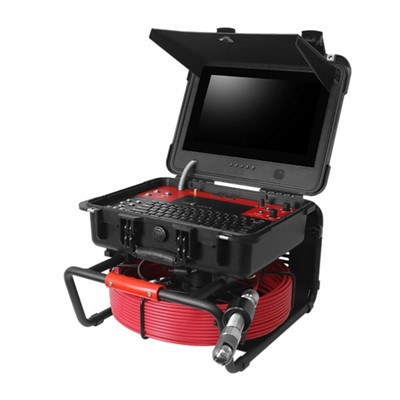
Our Drilling Inspection Camera is a prime example. It is built with high - strength materials that can resist corrosion from salt water. The camera housing is designed to be pressure - resistant, capable of withstanding the high hydrostatic pressures associated with deep - water offshore boreholes. Additionally, the electronic components are sealed to prevent water ingress, ensuring reliable performance even in the most challenging offshore environments.
The communication and data transmission systems in our down hole cameras are also optimized for offshore use. They can transmit high - quality video and image data over long distances through cables or wirelessly, depending on the specific requirements of the offshore drilling rig. This allows operators on the surface to have real - time access to the borehole conditions, enabling them to make informed decisions promptly.
Benefits of Using Down Hole Cameras in Offshore Boreholes
1. Real - Time Inspection
One of the most significant advantages of using down hole cameras in offshore boreholes is the ability to conduct real - time inspections. During the drilling process, the camera can provide continuous visual feedback on the borehole walls, the condition of the drill bit, and the presence of any obstructions or formations. This helps in detecting potential problems early, such as borehole instability, tool damage, or the presence of unexpected geological features. By identifying these issues in real - time, operators can take corrective actions immediately, reducing the risk of costly downtime and equipment damage.
2. Formation Evaluation
Offshore boreholes are often drilled to explore for oil, gas, or other valuable resources. A down hole camera can provide detailed visual information about the geological formations within the borehole. This information is invaluable for geologists and engineers in evaluating the potential of the formation. The camera can capture images of rock layers, sedimentary structures, and the presence of fluid - filled voids, which can help in estimating the hydrocarbon potential of the area.
3. Monitoring of Borehole Integrity
Maintaining the integrity of the borehole is crucial in offshore drilling. Down hole cameras can be used to monitor the integrity of the casing, cement sheath, and the borehole walls over time. They can detect any signs of casing corrosion, cement failure, or wall collapse. By regularly monitoring the borehole integrity, operators can ensure the long - term safety and productivity of the well.
4. Quality Control
In the construction and completion of offshore wells, quality control is of utmost importance. Down hole cameras can be used to verify the proper installation of well components, such as screens, liners, and packers. They can also ensure that the cementing operations are carried out correctly, providing a clear view of the cement distribution within the annulus. This helps in maintaining the quality and reliability of the well, which is essential for the long - term success of the offshore drilling project.
Considerations for Using Down Hole Cameras in Offshore Boreholes
1. Depth and Pressure Rating
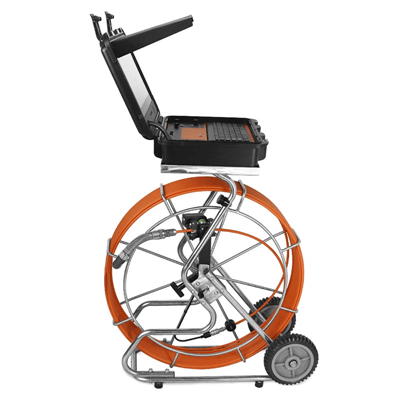
When selecting a down hole camera for offshore use, it is essential to consider the depth and pressure rating of the camera. Offshore boreholes can reach significant depths, often exceeding several thousand meters. The camera must be capable of withstanding the corresponding high hydrostatic pressures. Our Deep Well Camera is specifically designed for deep - water applications, with a high - pressure rating that can meet the demands of most offshore boreholes.
2. Environmental Compatibility
The corrosive nature of salt water and the extreme temperatures in the offshore environment require the camera to be highly resistant to corrosion and temperature variations. The camera materials and coatings must be carefully selected to ensure long - term durability. Additionally, the camera should be able to operate effectively in a wide range of temperatures, from the cold water near the surface to the high - temperature zones deeper in the borehole.


3. Deployment and Retrieval
Deploying and retrieving the down hole camera in an offshore borehole can be challenging due to the limited space and complex equipment on the drilling rig. Our down hole cameras are designed with compact and lightweight features to facilitate easy deployment and retrieval. They can be easily integrated with the existing drilling equipment, minimizing the disruption to the drilling operations.
4. Data Management
With the large amount of video and image data generated by the down hole camera, effective data management is crucial. The data needs to be stored, analyzed, and shared among the relevant teams on the drilling rig and onshore. Our camera systems are equipped with advanced data management software that allows for efficient storage, retrieval, and analysis of the data. It also enables seamless sharing of the data with other stakeholders, such as geologists, engineers, and management teams.
Case Studies: Successful Use of Down Hole Cameras in Offshore Boreholes
There have been numerous successful applications of down hole cameras in offshore boreholes around the world. For example, in a recent offshore drilling project in the North Sea, our Underwater Borehole Camera was used to inspect the borehole walls during the drilling of an oil well. The camera detected a small crack in the borehole wall, which could have potentially led to a major collapse if left undetected. Thanks to the real - time inspection provided by the camera, the operators were able to take immediate action to reinforce the borehole, preventing any further damage and ensuring the safety of the drilling operation.
In another case, a down hole camera was used in an offshore gas exploration project in the Gulf of Mexico. The camera provided detailed images of the geological formations, which helped the geologists to accurately evaluate the hydrocarbon potential of the area. Based on the camera data, the drilling team was able to optimize the drilling plan, resulting in a successful discovery of a significant gas reserve.
Conclusion
In conclusion, down hole cameras can be effectively used in offshore boreholes. They offer a wide range of benefits, including real - time inspection, formation evaluation, borehole integrity monitoring, and quality control. With the advancements in camera technology and the optimization of these devices for offshore use, they have become an indispensable tool in modern offshore drilling operations.
If you are involved in offshore drilling projects and are interested in using high - quality down hole cameras, we are here to help. Our team of experts can provide you with the most suitable camera solutions based on your specific requirements. We also offer comprehensive technical support and after - sales service to ensure the smooth operation of our cameras in your offshore boreholes. Contact us to start a procurement discussion and take your offshore drilling operations to the next level.
References
- "Offshore Drilling Technology Handbook"
- "Geological Exploration in Offshore Environments"
- "Advanced Down Hole Camera Systems for Oil and Gas Drilling"