Can a Pipe Camera System be used for pipe rehabilitation assessment?
In the realm of infrastructure management, the assessment of pipes for rehabilitation is a critical task. Pipe systems, whether in residential, commercial, or industrial settings, are subject to wear and tear over time. Factors such as corrosion, blockages, and structural damage can compromise the integrity of these pipes, leading to leaks, reduced flow, and even system failures. This is where pipe camera systems come into play. As a supplier of pipe camera systems, I am well - versed in the capabilities and applications of these devices, and I firmly believe that they are invaluable tools for pipe rehabilitation assessment.
How Pipe Camera Systems Work
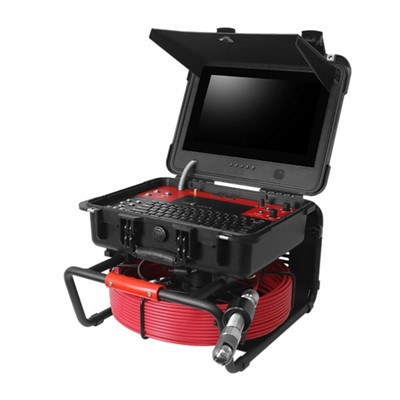
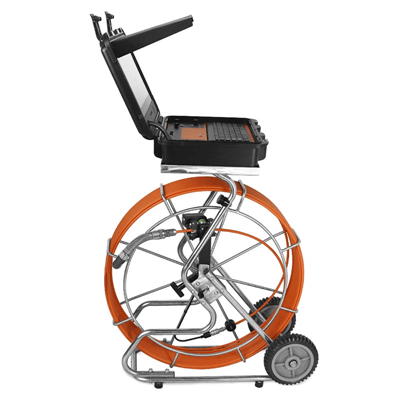
Pipe camera systems are designed to provide a visual inspection of the interior of pipes. These systems typically consist of a camera attached to a flexible cable, which can be inserted into the pipe. The camera captures high - resolution images and videos of the pipe's interior, allowing operators to identify various issues. The images and videos are then transmitted to a monitor, where they can be analyzed in real - time.
One of the key advantages of pipe camera systems is their ability to access hard - to - reach areas. Pipes can be located underground, behind walls, or in other confined spaces. Traditional inspection methods may be limited in their ability to reach these areas, but pipe camera systems can easily navigate through bends, curves, and narrow passages. For example, a Pipe Weld Inspection Camera is specifically designed to inspect the welds inside pipes, ensuring their quality and integrity.
Identifying Pipe Issues for Rehabilitation
Pipe camera systems can detect a wide range of issues that may require rehabilitation. One of the most common problems is corrosion. Corrosion can weaken the pipe walls, leading to leaks and structural failures. By using a pipe camera system, operators can identify areas of corrosion, assess its severity, and determine the appropriate rehabilitation method.
Blockages are another common issue in pipes. These can be caused by debris, grease, or other foreign objects. A pipe camera system can accurately locate the blockage and provide information on its size and nature. This information is crucial for determining the best approach for clearing the blockage, whether it is through mechanical means or chemical treatments.
Structural damage, such as cracks, breaks, or collapses, can also be detected using a pipe camera system. These issues can have a significant impact on the performance of the pipe system and may require immediate rehabilitation. The high - resolution images provided by the camera can help engineers and technicians understand the extent of the damage and develop a suitable rehabilitation plan.
Assessing the Condition of Pipes
In addition to identifying specific issues, pipe camera systems can also be used to assess the overall condition of the pipes. By examining the interior of the pipes, operators can determine the age, material, and general state of the pipes. This information is essential for predicting future problems and planning for long - term rehabilitation.
For instance, a Pipe Inspection Camera System can provide detailed information about the pipe's diameter, wall thickness, and the presence of any internal coatings. This data can be used to calculate the remaining service life of the pipes and to prioritize rehabilitation efforts.
Benefits of Using Pipe Camera Systems for Rehabilitation Assessment
There are several benefits to using pipe camera systems for pipe rehabilitation assessment. Firstly, they provide accurate and detailed information. Unlike traditional inspection methods, which may rely on guesswork or limited access, pipe camera systems offer a clear view of the pipe's interior. This allows for more informed decision - making when it comes to rehabilitation.
Secondly, pipe camera systems are non - invasive. They do not require the excavation of pipes or the disruption of the surrounding environment. This reduces the cost and time associated with rehabilitation projects. For example, in a residential setting, a pipe camera system can be used to inspect the plumbing without having to tear down walls or floors.
Thirdly, pipe camera systems can be used for preventive maintenance. By regularly inspecting pipes using a camera system, potential issues can be identified early, before they become major problems. This can save money in the long run by avoiding costly repairs and replacements.
Case Studies
To illustrate the effectiveness of pipe camera systems in pipe rehabilitation assessment, let's look at a few case studies. In a commercial building, a pipe camera system was used to inspect the drainage pipes. The camera revealed a significant blockage caused by a buildup of grease and debris. Based on the information provided by the camera, the maintenance team was able to develop a targeted plan to clear the blockage and prevent future issues.
In another case, a Self - leveling Pipe Camera System was used to inspect a sewer pipe in a residential area. The camera detected a crack in the pipe, which was causing a slow leak. The homeowner was able to use this information to hire a contractor to repair the pipe before the problem worsened.
Conclusion
In conclusion, pipe camera systems are an essential tool for pipe rehabilitation assessment. They offer a cost - effective, non - invasive, and accurate way to identify and assess pipe issues. As a supplier of pipe camera systems, I am committed to providing high - quality products that meet the needs of our customers. Whether you are a homeowner, a contractor, or an infrastructure manager, a pipe camera system can help you make informed decisions about pipe rehabilitation.


If you are interested in learning more about our pipe camera systems or would like to discuss your specific needs for pipe rehabilitation assessment, we encourage you to contact us. Our team of experts is ready to assist you in finding the right solution for your project.
References
- Smith, J. (2018). Pipe Inspection Technologies: A Review. Journal of Infrastructure Management, 12(3), 123 - 135.
- Johnson, M. (2019). The Role of Pipe Camera Systems in Infrastructure Maintenance. Proceedings of the International Conference on Infrastructure Management, 45 - 52.
- Brown, R. (2020). Non - Invasive Pipe Inspection Methods. Journal of Civil Engineering Research, 15(2), 89 - 98.