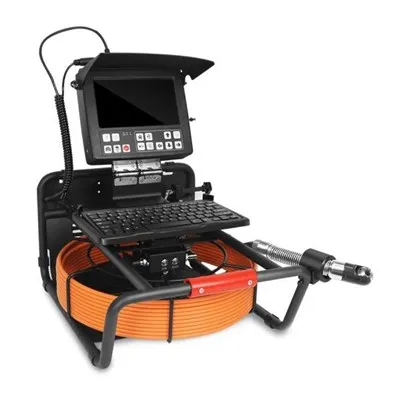
In the realm of pipeline infrastructure management, the detection of leaks is a critical task. Leaks in pipes can lead to a multitude of problems, ranging from water and resource wastage to structural damage and environmental contamination. As a Pipe Robot supplier, I am often asked the question: Can a Pipe Robot detect leaks in pipes? In this blog, I will delve into this question, exploring the capabilities of Pipe Robots and their effectiveness in leak detection.
The Basics of Pipe Robots
Pipe Robots, also known as Pipe Crawler, are specialized devices designed to navigate through pipes. These robots are equipped with various sensors and cameras that allow them to inspect the interior of pipes. They are commonly used in industries such as water supply, sewage management, and oil and gas pipelines.
Pipe Robots come in different sizes and configurations, depending on the diameter and type of pipes they are intended to inspect. Some Pipe Robots are small enough to navigate through narrow pipes, while others are larger and more robust for use in larger pipelines. They can be remotely controlled or operate autonomously, depending on the specific requirements of the inspection.
How Pipe Robots Can Detect Leaks
Pipe Robots are equipped with a range of sensors that enable them to detect leaks in pipes. One of the most common methods is through the use of acoustic sensors. These sensors can detect the sound of water or gas escaping from a leak. When a leak occurs, the escaping fluid creates a distinct sound that can be picked up by the acoustic sensors on the Pipe Robot.
Another method is the use of pressure sensors. A leak in a pipe can cause a drop in pressure. By monitoring the pressure inside the pipe, the Pipe Robot can detect if there is a leak. The pressure sensors can provide real - time data on the pressure changes, allowing for quick identification of potential leaks.
Visual inspection is also an important aspect of leak detection using Pipe Robots. The Pipe Robot is equipped with high - resolution cameras that can capture detailed images of the pipe interior. These images can be analyzed to identify signs of leaks, such as water stains, corrosion, or cracks in the pipe walls.
In addition to these methods, some advanced Pipe Robots are equipped with chemical sensors. These sensors can detect the presence of certain chemicals in the pipe, which may indicate a leak. For example, in a sewage pipe, the presence of specific contaminants in an area where they should not be can suggest a leak.
Advantages of Using Pipe Robots for Leak Detection
There are several advantages to using Pipe Robots for leak detection. Firstly, they can access areas that are difficult or impossible for human inspectors to reach. Pipes may be buried underground, located in confined spaces, or in hazardous environments. Pipe Robots can navigate through these areas safely and efficiently, providing a comprehensive inspection of the pipe system.
Secondly, Pipe Robots can provide accurate and detailed information about the location and severity of leaks. The sensors and cameras on the robots can collect data in real - time, which can be analyzed to determine the exact location of the leak. This allows for targeted repairs, reducing the time and cost associated with fixing the leak.
Thirdly, using Pipe Robots for leak detection is a non - invasive method. Unlike traditional methods that may require digging up the pipes or cutting into the pipe walls, Pipe Robots can inspect the pipes from the inside without causing any damage to the surrounding infrastructure. This is particularly beneficial in urban areas where minimizing disruption is crucial.
Limitations of Pipe Robots in Leak Detection
While Pipe Robots have many advantages in leak detection, they also have some limitations. One of the main limitations is the accuracy of the sensors. In some cases, the sensors may give false positives or false negatives. For example, background noise in the pipe may interfere with the acoustic sensors, leading to false alarms. Similarly, minor pressure fluctuations due to normal pipe operation may be misinterpreted as a leak.
Another limitation is the complexity of the pipe system. In a large and complex pipe network, it may be difficult for the Pipe Robot to cover all areas effectively. There may be sections of the pipe that are blocked or have difficult geometries, preventing the robot from reaching them.
The cost of using Pipe Robots can also be a limiting factor. The purchase and maintenance of Pipe Robots, as well as the training of operators, can be expensive. This may make it less feasible for some small - scale pipe operators or in regions with limited budgets.
Real - World Applications
Pipe Robots have been successfully used in many real - world applications for leak detection. In the water supply industry, they are used to detect leaks in water mains. By identifying and fixing leaks promptly, water utilities can reduce water loss and improve the efficiency of the water distribution system.
In the sewage management sector, Pipe Robots are used to inspect sewer pipes for leaks. A leak in a sewer pipe can contaminate the surrounding soil and water sources, posing a significant environmental and health risk. By detecting and repairing these leaks, the risk of contamination can be minimized.
In the oil and gas industry, Pipe Robots are used to detect leaks in pipelines. A leak in an oil or gas pipeline can have serious consequences, including environmental disasters and safety hazards. Pipe Robots can help to identify leaks early, allowing for timely repairs and preventing potential disasters.
The Role of Storm Sewer Camera in Leak Detection
Storm sewer cameras are a type of Pipe Robot that is specifically designed for inspecting storm sewer systems. These cameras can be used to detect leaks in storm sewer pipes. They are equipped with high - resolution cameras and sensors that can capture detailed images and data about the condition of the pipes.
Storm sewer cameras can be used to identify cracks, blockages, and leaks in the storm sewer system. By detecting leaks early, municipalities can prevent flooding and water pollution. The data collected by the storm sewer cameras can also be used to plan for future maintenance and upgrades of the sewer system.
Conclusion
In conclusion, Pipe Robots can indeed detect leaks in pipes. They are equipped with a variety of sensors and cameras that enable them to identify leaks through acoustic, pressure, visual, and chemical means. While they have some limitations, the advantages of using Pipe Robots for leak detection, such as access to difficult areas, accurate information, and non - invasiveness, make them a valuable tool in pipeline infrastructure management.
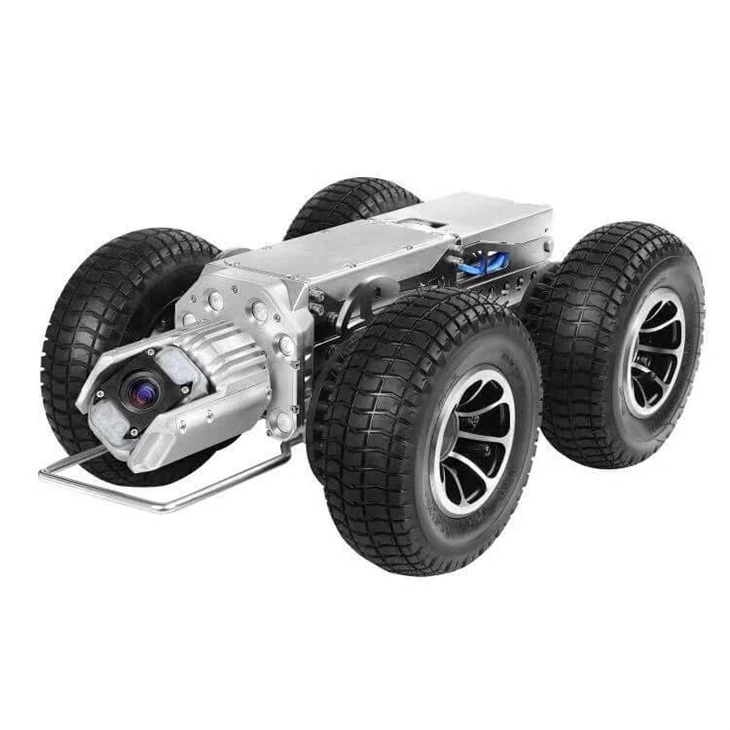

If you are in need of a reliable solution for pipe leak detection, our Pipe Robots offer a state - of the - art option. Our robots are designed with the latest technology to ensure accurate and efficient leak detection. We invite you to contact us for more information and to discuss your specific requirements. Whether you are a water utility, a sewage management company, or an oil and gas operator, our Pipe Robots can help you maintain the integrity of your pipe systems.
References
- American Society of Civil Engineers. (2017). Infrastructure Report Card.
- International Water Association. (2019). Water Loss Management Best Practice Guidelines.
- Pipeline Research Council International. (2020). Pipeline Integrity Management Handbook.