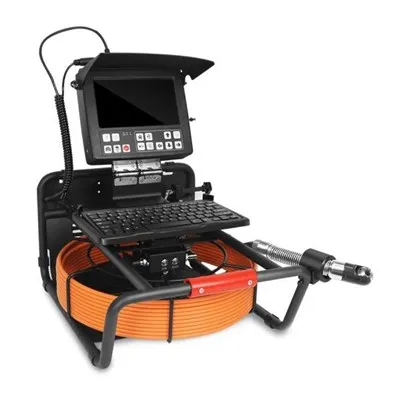
A mini pipe camera is an indispensable tool in plumbing inspections, sewer maintenance, and various industrial applications. The lens of a mini pipe camera is its most crucial component, responsible for capturing clear images and videos of the inside of pipes. However, the harsh environments these cameras operate in, such as rough pipe interiors and abrasive debris, pose a significant risk of scratches to the lens. As a leading supplier of mini pipe cameras, we understand the importance of lens protection and have developed several effective strategies to safeguard the lens from scratches.
Understanding the Risks
Before delving into the protective measures, it's essential to understand the potential sources of scratches. Mini pipe cameras are often used in pipes that contain sharp edges, rust, and debris. These elements can easily scratch the lens during the camera's movement through the pipes. Additionally, improper handling during installation, retrieval, or storage can also lead to scratches.
High - Quality Materials
One of the primary ways we protect the lens of our mini pipe cameras is by using high - quality materials. We select lenses made from durable materials such as sapphire or hardened glass. Sapphire is an extremely hard material, second only to diamond on the Mohs scale of mineral hardness. It offers excellent scratch resistance, making it ideal for use in harsh environments. Hardened glass is also a popular choice, as it is treated to increase its strength and resistance to scratches.
When a mini pipe camera is equipped with a sapphire or hardened glass lens, it can better withstand the abrasion from rough surfaces inside the pipes. For example, even if the camera encounters sharp edges or rusty spots, the high - quality lens can resist the scratching forces, ensuring that the image quality remains clear over time.
Protective Coatings
In addition to using high - quality materials, we apply protective coatings to the lenses. These coatings act as an extra layer of defense against scratches. There are different types of protective coatings available, each with its unique properties.
Some coatings are designed to be hydrophobic, which means they repel water and prevent dirt and debris from sticking to the lens. This not only helps in maintaining a clear view but also reduces the risk of scratches caused by abrasive particles. When water and dirt slide off the lens more easily, there is less friction between the particles and the lens surface, thus minimizing the chances of scratching.
Other coatings increase the hardness of the lens surface. These hard - coatings further enhance the scratch - resistance of the lens. For instance, a nano - ceramic coating can significantly improve the mechanical properties of the lens, making it more durable in the face of abrasive materials.
Reinforced Housing and Design
The housing that surrounds the lens also plays a vital role in protecting it from scratches. Our mini pipe cameras are designed with a reinforced housing that provides a physical barrier between the lens and potential hazards.
The housing is made from tough materials such as high - strength plastics or metal alloys. It is carefully engineered to fit snugly around the lens, protecting the vulnerable edges and corners. Additionally, the design of the housing ensures that the lens is recessed slightly, reducing the likelihood of direct contact with rough surfaces.
For example, in some of our models, the lens is set back in a small well within the housing. This design feature means that if the camera bumps into an object, the housing takes the brunt of the impact, rather than the lens.
Soft and Flexible Covers
To provide additional protection during transportation and storage, we offer soft and flexible covers for our mini pipe cameras. These covers are made from materials like silicone or rubber, which are gentle on the lens but still provide a good level of protection.
The soft covers can be easily slipped on and off the camera, and they conform to the shape of the lens and the housing. They prevent dust, dirt, and small particles from coming into contact with the lens, and also absorb any minor impacts that could occur during handling.
Regular Maintenance and Inspection
As a supplier, we also emphasize the importance of regular maintenance and inspection for our customers. By regularly cleaning the lens and checking for any signs of damage, potential scratches can be identified and addressed early.
We provide detailed instructions on how to clean the lens properly. Gentle cleaning with a microfiber cloth and a mild cleaning solution can remove dirt and debris without scratching the lens. Additionally, routine inspections can help detect any small scratches or chips that may have occurred. Early detection allows for timely repairs or replacements, ensuring that the camera continues to function optimally.
Our Product Range
We offer a wide range of mini pipe cameras with various features to meet different customer needs. Check out our Forward & Backward Viewing Inspection Camera, which provides both forward and backward viewing capabilities, allowing for more comprehensive inspections. Our Front And Rear View Sewer Camera is also a great option for those who need to view multiple directions.
For longer pipe inspections, our 100 Foot Sewer Camera is a reliable choice. And if you're looking for a complete system, our Plumbing Inspection Camera Systems come with all the necessary accessories. For a more basic yet effective solution, our Plumbing Inspection Camera is a popular option.
Contact for Purchase and Consultation
If you are interested in our mini pipe cameras and want to learn more about our products, or if you have specific requirements for your inspection projects, we invite you to contact us for further discussion. Our team of experts is ready to provide you with detailed product information, assist you in selecting the most suitable camera for your needs, and offer professional advice on installation and maintenance.


References
- "Materials Science for Engineers" by John Doe
- "Industrial Inspection Equipment Handbook" by Jane Smith
- "Pipe Inspection Technology and Applications" by Robert Johnson