Can a push rod camera be used for bridge inspections?
In the realm of infrastructure inspection, bridges stand as critical structures that demand regular and thorough assessments to ensure their safety and longevity. Traditional inspection methods often involve manual labor, scaffolding, and sometimes even the use of heavy - lifting equipment, which can be time - consuming, costly, and potentially dangerous. In recent years, push rod cameras have emerged as a promising alternative for various inspection tasks, but the question remains: Can a push rod camera be used for bridge inspections? As a push rod camera supplier, I'm here to explore this topic in depth.
Understanding Push Rod Cameras
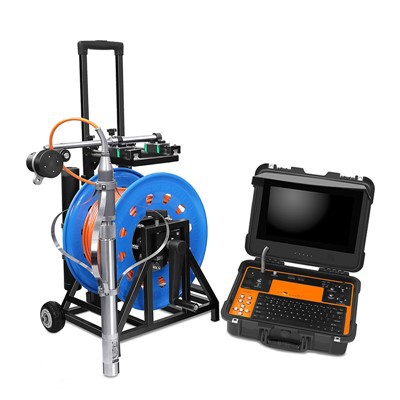
Push rod cameras are a type of inspection camera system that consists of a camera head attached to a flexible rod. The rod can be pushed through various spaces, such as pipes, ducts, or other confined areas, allowing the camera to capture real - time video and images of the interior. These cameras are equipped with high - resolution lenses, adjustable lighting, and sometimes even pan - tilt - zoom capabilities to provide a comprehensive view of the inspection area.
There are different types of push rod cameras available in the market, each designed for specific applications. For example, the 13inch 33mm Pan Tilt Rotation Camera Sewage Pipe Inspection Camera for Drain Sewer 60Mtr is specifically tailored for sewage pipe inspections. It has a long reach and the ability to pan and tilt, which is useful for navigating through the twists and turns of sewer pipes. The Self - leveling Pipe Camera System is another type that can automatically adjust its orientation to provide a level view, which is beneficial when inspecting pipes that are not perfectly straight. And the Pipe Weld Inspection Camera is designed to closely examine the quality of pipe welds, with features that can detect flaws and defects in the welds.
Potential Applications of Push Rod Cameras in Bridge Inspections
1. Internal Cavity Inspection
Bridges often have internal cavities, such as those in box girders or hollow columns. These cavities can be difficult to access using traditional inspection methods. Push rod cameras can be inserted into these cavities through small access holes. The camera can then be maneuvered to inspect the interior for signs of corrosion, cracking, or water ingress. For example, in a box girder bridge, the push rod camera can be used to check the condition of the steel reinforcement bars inside the concrete. If there is corrosion on the bars, it can weaken the structure over time, and early detection can prevent more serious problems.


2. Joint and Connection Inspection
Bridge joints and connections are critical points that experience significant stress and movement. Push rod cameras can be used to inspect the condition of these joints and connections. For instance, in expansion joints, the camera can be used to check for debris accumulation, damage to the sealing elements, or signs of wear and tear. In bolted connections, the camera can be used to inspect the bolts for corrosion or loosening, which can compromise the integrity of the connection.
3. Cable Inspection
In cable - stayed or suspension bridges, the cables are the primary load - bearing elements. Push rod cameras can be used to inspect the interior of the cables for signs of corrosion or damage. By inserting the camera into the cable sheath through small access points, inspectors can get a clear view of the cable strands. This can help in detecting early signs of cable degradation, which is crucial for ensuring the safety of the bridge.
Advantages of Using Push Rod Cameras for Bridge Inspections
1. Cost - effectiveness
Compared to traditional inspection methods that may require the use of scaffolding, cranes, or other heavy equipment, push rod cameras are relatively inexpensive. They also require less labor, as only a few operators are needed to operate the camera system. This can significantly reduce the overall cost of bridge inspections.
2. Safety
Bridge inspections can be dangerous, especially when inspectors have to work at heights or in confined spaces. Push rod cameras eliminate the need for inspectors to physically enter these dangerous areas. Instead, they can operate the camera from a safe location, reducing the risk of accidents and injuries.
3. Efficiency
Push rod cameras can quickly and easily access areas that are difficult to reach using traditional methods. They can also capture high - quality video and images in real - time, allowing inspectors to make immediate assessments. This can save a lot of time during the inspection process, especially for large - scale bridge projects.
Limitations of Push Rod Cameras in Bridge Inspections
1. Limited Reach
Although push rod cameras come in different lengths, their reach is still limited compared to some other inspection methods. In large - scale bridges, it may be necessary to use multiple access points to cover the entire inspection area. This can increase the complexity of the inspection process and may also require additional time and resources.
2. Lack of Physical Interaction
Push rod cameras can only provide visual information. They cannot perform physical tests, such as measuring the thickness of concrete or the strength of steel. In some cases, additional non - destructive testing (NDT) methods may be required to complement the information obtained from the push rod camera.
3. Environmental Conditions
The performance of push rod cameras can be affected by environmental conditions. For example, in areas with high humidity or water presence, the camera lens may fog up, reducing the clarity of the images. In addition, strong sunlight or glare can also make it difficult to obtain clear images.
Overcoming the Limitations
1. Combining with Other Inspection Methods
To overcome the limitations of push rod cameras, they can be combined with other inspection methods. For example, after using a push rod camera to visually inspect an area, NDT methods such as ultrasonic testing or ground - penetrating radar can be used to obtain more detailed information about the internal structure of the bridge.
2. Improving Camera Technology
As technology advances, push rod cameras are becoming more sophisticated. Manufacturers are constantly improving the camera's reach, image quality, and resistance to environmental conditions. For example, some cameras now have anti - fogging lenses and better lighting systems, which can improve their performance in challenging environments.
Conclusion
In conclusion, push rod cameras have great potential for use in bridge inspections. They offer several advantages, including cost - effectiveness, safety, and efficiency. However, they also have some limitations, such as limited reach and lack of physical interaction. By combining push rod cameras with other inspection methods and continuing to improve camera technology, these limitations can be overcome.
If you are involved in bridge inspections or any other infrastructure inspection projects, and you are interested in exploring the use of push rod cameras, we invite you to contact us for more information. Our team of experts can provide you with detailed product information and help you choose the right push rod camera for your specific needs. We look forward to the opportunity to work with you and contribute to the safety and longevity of your bridge structures.
References
- Smith, J. (2018). Advances in Bridge Inspection Technologies. Journal of Civil Engineering Research, 12(3), 45 - 56.
- Brown, A. (2019). The Role of Push Rod Cameras in Infrastructure Inspection. Proceedings of the International Conference on Infrastructure Maintenance, 23 - 30.
- Johnson, R. (2020). Cost - Benefit Analysis of Different Bridge Inspection Methods. Journal of Bridge Engineering, 15(2), 78 - 89.