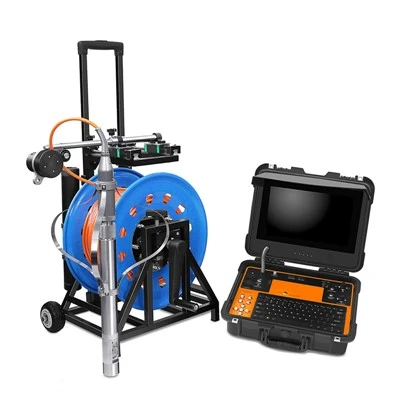
In the dynamic landscape of industrial infrastructure, the integrity and functionality of pipes are of paramount importance. Industrial pipes are the arteries of various sectors, including manufacturing, energy, and chemical processing, transporting a wide range of substances such as water, oil, gas, and chemicals. Ensuring the proper operation of these pipes is crucial for maintaining productivity, preventing environmental hazards, and avoiding costly downtime. This is where CCTV pipe crawler robots come into play. As a supplier of CCTV pipe crawler robots, I am often asked whether these innovative devices can be effectively used in industrial pipes. In this blog post, I will explore the capabilities of CCTV pipe crawler robots and their suitability for industrial pipe inspection.
Understanding CCTV Pipe Crawler Robots
CCTV pipe crawler robots are specialized devices designed to navigate through pipes and capture high - resolution video footage of the pipe interior. These robots are typically equipped with cameras, lights, and a propulsion system that allows them to move forward, backward, and sometimes even turn in different directions. The video footage captured by the robot is transmitted to a control unit on the surface, where operators can view and analyze the condition of the pipe.
The Crawler Drain Camera is one of the popular types of CCTV pipe crawler robots. It is specifically designed for drain inspection but can also be adapted for certain industrial pipe applications. The camera provides clear images of the pipe walls, allowing operators to detect cracks, blockages, corrosion, and other defects.
Advantages of Using CCTV Pipe Crawler Robots in Industrial Pipes
Non - Destructive Testing
One of the primary advantages of using CCTV pipe crawler robots in industrial pipes is non - destructive testing (NDT). Traditional inspection methods often require cutting into the pipes, which can be time - consuming, expensive, and may cause damage to the pipes. CCTV pipe crawler robots, on the other hand, can inspect the pipes without causing any damage. The CCTV Stormwater system, for example, can be used to inspect stormwater pipes in industrial facilities without the need for excavation.
High - Resolution Imaging
Modern CCTV pipe crawler robots are equipped with high - resolution cameras that can capture detailed images of the pipe interior. This allows operators to identify even the smallest defects, such as hairline cracks or early signs of corrosion. The CCTV Crawler Camera provides sharp and clear images, enabling accurate assessment of the pipe condition.
Real - Time Monitoring
CCTV pipe crawler robots offer real - time monitoring of the pipe inspection process. Operators can view the video footage on a control unit as the robot moves through the pipe. This allows for immediate decision - making, such as determining the need for further inspection or repair. Real - time monitoring also reduces the risk of missing important defects during the inspection.
Access to Difficult - to - Reach Areas
Industrial pipes are often located in hard - to - reach areas, such as underground, in confined spaces, or at great depths. CCTV pipe crawler robots can easily navigate through these areas, providing access to parts of the pipe that would otherwise be difficult or impossible to inspect. Some robots are designed to withstand high temperatures, high pressures, and corrosive environments, making them suitable for a wide range of industrial applications.
Challenges and Limitations
Pipe Size and Configuration
The size and configuration of industrial pipes can pose challenges for CCTV pipe crawler robots. Some robots may not be suitable for very small or very large pipes. For example, a robot designed for small - diameter drain pipes may not be able to navigate through large - diameter industrial pipes. Additionally, pipes with complex configurations, such as multiple bends, T - junctions, or vertical sections, can make it difficult for the robot to move smoothly.
Pipe Condition
The condition of the pipe can also affect the performance of the CCTV pipe crawler robot. Pipes that are heavily clogged or filled with debris may prevent the robot from moving forward or may damage the robot's components. In some cases, the pipe may need to be cleaned before the inspection can be carried out.
Environmental Factors
Industrial pipes may be exposed to harsh environmental conditions, such as extreme temperatures, high humidity, or corrosive substances. These conditions can affect the performance and durability of the CCTV pipe crawler robot. Specialized robots may be required to withstand these environmental factors.
Overcoming the Challenges
Customization
To overcome the challenges related to pipe size and configuration, many CCTV pipe crawler robots can be customized. Manufacturers can design robots with different sizes, wheel configurations, and propulsion systems to suit specific industrial pipe applications. For example, a robot can be equipped with larger wheels or a more powerful motor to navigate through large - diameter pipes or pipes with complex configurations.
Pre - Inspection Cleaning
To deal with pipes that are clogged or filled with debris, pre - inspection cleaning can be carried out. This can involve using high - pressure water jets or other cleaning methods to remove the debris from the pipe before the robot is inserted. Pre - inspection cleaning ensures that the robot can move freely through the pipe and capture accurate images.
Specialized Robots
For pipes exposed to harsh environmental conditions, specialized CCTV pipe crawler robots are available. These robots are designed with materials and components that can withstand extreme temperatures, high humidity, and corrosive substances. For example, some robots are made of stainless steel or other corrosion - resistant materials and are equipped with sealed enclosures to protect the electronics.
Case Studies
Chemical Processing Plant
In a chemical processing plant, CCTV pipe crawler robots were used to inspect the pipes that carried corrosive chemicals. The robots were customized to withstand the corrosive environment and were equipped with high - resolution cameras. The inspection revealed several areas of corrosion and leaks in the pipes, which were promptly repaired. This prevented potential environmental hazards and costly downtime.
Power Generation Facility
At a power generation facility, CCTV pipe crawler robots were used to inspect the cooling water pipes. The robots were able to navigate through the large - diameter pipes and detect blockages caused by sediment buildup. The blockages were removed, improving the efficiency of the cooling system and reducing the risk of equipment failure.
Conclusion
In conclusion, CCTV pipe crawler robots can be effectively used in industrial pipes. They offer numerous advantages, such as non - destructive testing, high - resolution imaging, real - time monitoring, and access to difficult - to - reach areas. Although there are challenges and limitations, these can be overcome through customization, pre - inspection cleaning, and the use of specialized robots.
If you are an industrial facility owner or manager looking for a reliable solution for pipe inspection, consider investing in a CCTV pipe crawler robot. As a supplier of high - quality CCTV pipe crawler robots, we are committed to providing you with the best products and services. Our team of experts can help you choose the right robot for your specific industrial pipe application and provide support throughout the inspection process.
If you are interested in learning more about our CCTV pipe crawler robots or would like to discuss your specific requirements, please feel free to contact us. We look forward to the opportunity to work with you and help you ensure the integrity and functionality of your industrial pipes.


References
- "Pipe Inspection Technology: A Review" - Journal of Industrial Inspection
- "Advances in Non - Destructive Testing for Industrial Pipes" - International Journal of Nondestructive Testing
- "CCTV Pipe Crawler Robots: Applications and Limitations" - Proceedings of the Industrial Robotics Conference