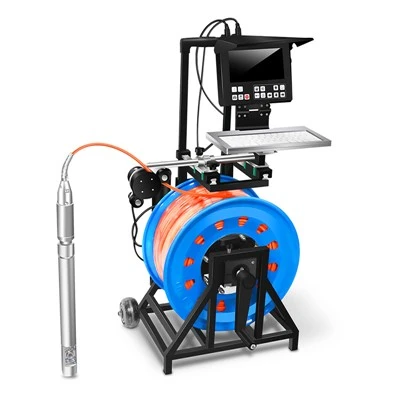
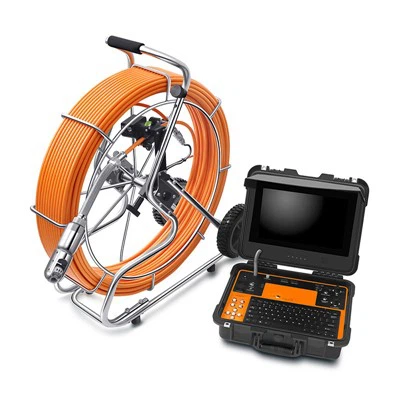
As a supplier of Pipe Camera Locators, I've witnessed firsthand the crucial role signal stability plays in the functionality and effectiveness of these devices. In this blog, I'll delve into what signal stability means for a Pipe Camera Locator, why it's so important, and how our products ensure reliable performance.
Understanding Signal Stability in Pipe Camera Locators
Signal stability refers to the consistent and uninterrupted transmission of data between the camera head of the Pipe Camera Locator and the display unit. This data includes high - resolution video footage, as well as any additional information such as depth readings or orientation data. A stable signal is essential for operators to accurately inspect the interior of pipes, sewers, and other confined spaces.
When the signal is unstable, it can lead to a variety of issues. For example, the video feed may freeze, pixelate, or drop out completely. This makes it difficult, if not impossible, for the operator to identify defects, blockages, or other problems within the pipe. In addition, inaccurate or lost data regarding the camera's position and orientation can result in incorrect assessments of the pipe's condition.
Factors Affecting Signal Stability
Several factors can impact the signal stability of a Pipe Camera Locator. One of the primary factors is the length and type of the cable used to connect the camera head to the display unit. Longer cables can introduce signal loss, especially if they are of poor quality. Additionally, the material of the cable can affect signal transmission. For instance, cables with inadequate shielding may be more susceptible to electromagnetic interference (EMI) from nearby electrical equipment or power lines.
The environment in which the Pipe Camera Locator is used also plays a significant role. Pipes made of certain materials, such as metal, can act as conductors and interfere with the signal. Similarly, the presence of moisture, debris, or other contaminants inside the pipe can disrupt the signal. In some cases, the shape and layout of the pipe, including bends, elbows, and junctions, can cause signal reflections and attenuation.
The quality of the camera head itself is another important factor. A well - designed camera head with a robust signal processing system is more likely to maintain a stable signal. For example, our 14mm Camera Head is engineered with advanced signal processing technology to ensure clear and stable video transmission even in challenging conditions.
Importance of Signal Stability in Pipe Inspections
In the field of pipe inspections, signal stability is not just a convenience; it's a necessity. Accurate and reliable data is crucial for making informed decisions about the condition of the pipes. For example, in a municipal sewer system, a stable signal allows inspectors to detect cracks, leaks, or root intrusions early on. This enables timely repairs, preventing more extensive damage and costly repairs in the future.
In industrial settings, such as chemical plants or oil refineries, signal stability is even more critical. Any inaccuracies in the inspection data can have serious safety implications. A stable signal ensures that operators can identify potential hazards, such as corrosion or blockages, and take appropriate measures to prevent accidents.
How Our Pipe Camera Locators Ensure Signal Stability
At our company, we take signal stability very seriously. We use high - quality cables with excellent shielding to minimize signal loss and interference. Our cables are also designed to be flexible and durable, allowing for easy maneuverability in tight spaces.
In addition, our camera heads are equipped with state - of - the - art signal processing technology. For example, the 50mm Pan Tilt Pipe Camera Head features a powerful microprocessor that enhances the signal strength and quality. It can also adjust the signal in real - time to compensate for changes in the environment.


We also conduct rigorous testing on all our products to ensure they meet the highest standards of signal stability. Our testing procedures simulate a wide range of real - world conditions, including different pipe materials, lengths, and environmental factors. This allows us to identify and address any potential signal issues before the products reach our customers.
Case Studies: Real - World Applications
To illustrate the importance of signal stability, let's look at a few real - world case studies. In a large - scale water treatment plant, our Pipe Camera Locator was used to inspect the underground pipes. The stable signal provided clear and detailed video footage, allowing the maintenance team to identify a small crack in one of the pipes. Thanks to the early detection, the crack was repaired before it could cause a major leak, saving the plant significant time and money.
In another case, a construction company was using our Pipe Camera Locator to inspect the drainage pipes in a new building. The signal stability allowed the inspectors to accurately assess the alignment and integrity of the pipes. They were able to identify a misaligned section of pipe and correct it before the building was completed, ensuring proper drainage and preventing future water damage.
Conclusion
In conclusion, signal stability is a critical aspect of Pipe Camera Locators. It directly impacts the accuracy and reliability of pipe inspections, which in turn can have significant implications for safety, cost - effectiveness, and the overall functionality of the pipes. As a supplier, we are committed to providing high - quality products that offer excellent signal stability.
If you're in the market for a Pipe Camera Locator, we invite you to explore our range of products. Our team of experts is ready to assist you in choosing the right solution for your specific needs. Whether you're a municipal inspector, an industrial maintenance technician, or a construction professional, we have the products and expertise to meet your requirements. Contact us today to start a conversation about your pipe inspection needs and how our Pipe Camera Locators can help you achieve better results.
References
- "Handbook of Underground Pipe Inspection Technologies", John Wiley & Sons
- "Signal Processing for Industrial Sensors", Springer Publishing