Can an Oil Well Inspection Camera be Used in Different Types of Oil Well Casings?
As a leading supplier of Oil Well Inspection Cameras, I often get asked whether our cameras can be used in different types of oil well casings. This is a crucial question for our clients in the oil and gas industry, as the ability to inspect various casings efficiently and accurately can significantly impact operations and maintenance.
Understanding Oil Well Casings
Oil well casings are essentially large-diameter pipes that are installed in a drilled well to provide structural integrity, prevent well collapse, and isolate different geological formations. There are several types of oil well casings, including conductor casings, surface casings, intermediate casings, and production casings. Each type serves a specific purpose and has different characteristics in terms of diameter, wall thickness, and material composition.
Conductor casings are the outermost casings and are typically installed to a shallow depth to protect the wellbore from surface hazards and provide a stable foundation for subsequent casing installations. Surface casings are installed deeper and are designed to isolate fresh water aquifers from the wellbore. Intermediate casings are used to support the wellbore and isolate different pressure zones, while production casings are the innermost casings that allow for the extraction of oil and gas.
The Role of Oil Well Inspection Cameras
Oil well inspection cameras play a vital role in the oil and gas industry. They are used to visually inspect the interior of oil well casings to detect any signs of damage, corrosion, or blockages. By providing real-time video footage of the wellbore, these cameras enable operators to make informed decisions regarding well maintenance, repair, and production optimization.
Our Oil Well Inspection Cameras are equipped with high-resolution cameras and advanced lighting systems that can capture clear and detailed images even in low-light conditions. They are also designed to withstand the harsh environment of oil wells, including high temperatures, high pressures, and corrosive fluids.
Compatibility with Different Types of Oil Well Casings
One of the key advantages of our Oil Well Inspection Cameras is their versatility and compatibility with different types of oil well casings. Our cameras are available in various sizes and configurations to accommodate different casing diameters and depths. Whether you are dealing with a small-diameter production casing or a large-diameter conductor casing, we have a camera solution that can meet your needs.
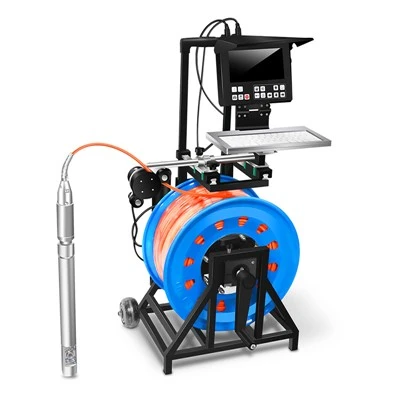
For example, our Down Hole Camera is specifically designed for downhole applications and can be used in a wide range of oil well casings. It features a compact and durable design that allows it to navigate through narrow passages and tight spaces. The camera is also equipped with a flexible cable that can be extended to reach deep into the wellbore.
In addition to the Down Hole Camera, we also offer a Water Well Inspection Camera that is suitable for inspecting water wells and other types of casings. This camera is designed to provide high-quality images and video footage of the wellbore, allowing operators to detect any signs of damage or blockages.
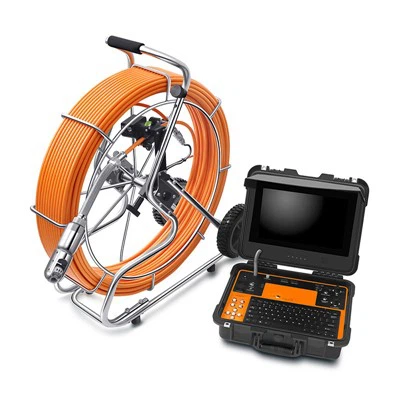
Our Downhole Video Inspection System is another powerful tool for inspecting oil well casings. This system combines a high-resolution camera with a video recorder and a monitor, allowing operators to view and record the inspection footage in real-time. The system is also equipped with advanced features such as zoom, pan, and tilt, which enable operators to get a closer look at specific areas of the wellbore.
Benefits of Using Our Oil Well Inspection Cameras
Using our Oil Well Inspection Cameras offers several benefits for oil and gas operators. Firstly, it allows for early detection of any issues or damage in the oil well casings, which can help prevent costly repairs and downtime. By identifying potential problems early on, operators can take proactive measures to address them before they escalate into more serious issues.
Secondly, our cameras provide accurate and detailed information about the condition of the wellbore, which can help operators make informed decisions regarding well maintenance and production optimization. For example, if a camera detects corrosion or damage in a casing, operators can determine the best course of action, such as repairing or replacing the casing.


Finally, our Oil Well Inspection Cameras are easy to use and can be operated by trained personnel with minimal training. They are also designed to be reliable and durable, ensuring that they can withstand the harsh environment of oil wells.
Conclusion
In conclusion, our Oil Well Inspection Cameras are highly versatile and can be used in different types of oil well casings. Whether you are dealing with a small-diameter production casing or a large-diameter conductor casing, we have a camera solution that can meet your needs. By using our cameras, you can detect any issues or damage in the wellbore early on, make informed decisions regarding well maintenance and production optimization, and ensure the safety and efficiency of your operations.
If you are interested in learning more about our Oil Well Inspection Cameras or would like to discuss your specific requirements, please feel free to contact us. Our team of experts is always ready to assist you and provide you with the best solutions for your oil and gas inspection needs.
References
- API RP 5C5: Recommended Practice for Care and Use of Casing, Tubing, and Drill Pipe Threads
- ISO 11960: Petroleum and natural gas industries - Casing and tubing
- SPE 123456: Best Practices for Oil Well Inspection Using Downhole Cameras