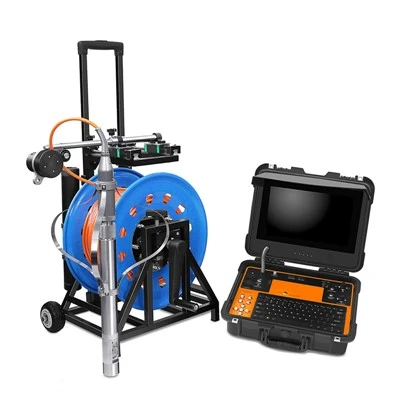
In the realm of pipeline inspection, pipe crawlers have emerged as indispensable tools, revolutionizing the way we assess the condition of various pipelines. One of the frequently asked questions in this field is whether the camera on a pipe crawler can rotate. As a reputable pipe crawler supplier, we are here to delve into this topic and provide you with comprehensive insights.
Understanding the Functionality of Pipe Crawlers
Pipe crawlers are specialized devices designed to navigate through pipelines, capturing visual data to identify defects, blockages, and other issues. These devices are equipped with cameras that play a crucial role in providing real - time images and videos of the pipeline interior. The ability of the camera to rotate can significantly enhance the inspection process.


A pipe crawler, as defined on our Pipe Crawler page, is a self - propelled or remotely controlled device that can move through pipes of different diameters and materials. It is typically used in sewer systems, industrial pipelines, and other underground or hard - to - reach piping networks. The camera is the "eye" of the pipe crawler, allowing operators to see what is happening inside the pipes without the need for costly and invasive excavation.
The Rotation Capability of Pipe Crawler Cameras
The answer to the question "Can the camera on a pipe crawler rotate?" is yes, in many cases. Modern pipe crawlers are often equipped with cameras that have rotation functionality. This rotation can be achieved in different ways, depending on the design and technology of the pipe crawler.
Some pipe crawlers use a motorized pan - tilt mechanism to control the camera's movement. The pan function allows the camera to rotate horizontally, while the tilt function enables vertical movement. This combination provides a wide range of viewing angles, allowing operators to inspect all sides of the pipeline. For example, if there is a suspected defect on the top or bottom of the pipe, the camera can be tilted accordingly to get a clear view.
Other advanced pipe crawlers may use 360 - degree rotation technology. With this feature, the camera can make a full circular rotation, providing a complete panoramic view of the pipeline interior. This is particularly useful when inspecting large - diameter pipes or when a comprehensive assessment of the entire pipe circumference is required.
The rotation of the camera on a pipe crawler offers several advantages. Firstly, it improves the efficiency of the inspection process. Instead of having to reposition the entire pipe crawler to view different areas of the pipe, operators can simply rotate the camera. This saves time and reduces the wear and tear on the pipe crawler itself.
Secondly, it enhances the accuracy of the inspection. By being able to view the pipe from different angles, operators can detect defects that may be hidden from a single - angle view. For instance, a crack on the side of the pipe may be more visible when the camera is rotated to a certain angle.
Applications of Rotating Cameras in Pipe Crawlers
The ability of the camera to rotate has a wide range of applications in different industries. In the municipal sector, Storm Sewer Camera systems are used to inspect storm sewer pipes. The rotating camera allows operators to check for blockages, structural damage, and infiltration in the pipes. This is crucial for maintaining the proper functioning of the storm sewer system and preventing flooding during heavy rainfall.
In the industrial sector, Pipe Robot systems with rotating cameras are used to inspect process pipes, such as those in chemical plants and oil refineries. These pipes often carry hazardous substances, and any defect can pose a significant safety risk. The rotating camera enables a detailed inspection of the pipes, helping to identify potential problems before they lead to leaks or other accidents.
Factors Affecting Camera Rotation
While many pipe crawlers have rotating cameras, there are some factors that can affect the rotation performance. One of the main factors is the size and shape of the pipe. In small - diameter pipes, the space for camera rotation may be limited. The camera may not be able to achieve a full range of motion due to the physical constraints of the pipe.
Another factor is the environment inside the pipe. Pipes may contain debris, sediment, or other obstructions that can interfere with the camera's rotation. For example, if there is a large blockage in the pipe, the camera may not be able to rotate freely around it.
The quality of the camera and its rotation mechanism also plays a role. Cheaper or lower - quality pipe crawlers may have less precise rotation controls, resulting in jerky or inaccurate movement. On the other hand, high - end pipe crawlers are designed with advanced technology to ensure smooth and accurate camera rotation.
Choosing the Right Pipe Crawler with Rotating Camera
When selecting a pipe crawler with a rotating camera, there are several factors to consider. Firstly, you need to assess the requirements of your specific inspection project. If you are inspecting small - diameter pipes, you may need a pipe crawler with a compact design and a camera that can still achieve a sufficient range of rotation within the limited space.
Secondly, consider the level of rotation control you need. Some projects may require only basic pan - tilt functionality, while others may demand 360 - degree rotation. Make sure the pipe crawler you choose has the appropriate rotation features for your needs.
Thirdly, look at the durability and reliability of the pipe crawler and its camera. The device will be operating in harsh environments, so it needs to be able to withstand the conditions. Check the build quality, the materials used, and the reputation of the manufacturer.
The Future of Pipe Crawler Camera Technology
The technology of pipe crawler cameras is constantly evolving. In the future, we can expect to see even more advanced rotation features. For example, cameras may be equipped with intelligent rotation algorithms that can automatically adjust the viewing angle based on the detected features in the pipe. This would further improve the efficiency and accuracy of the inspection process.
There may also be advancements in the miniaturization of camera rotation mechanisms. This would allow for even more compact pipe crawlers, which could be used in smaller and more complex pipe networks.
In addition, the integration of other technologies such as augmented reality (AR) and virtual reality (VR) with pipe crawler cameras is a possibility. Operators could use AR/VR devices to have a more immersive and intuitive view of the pipeline interior, enhancing the inspection experience.
Conclusion
In conclusion, the camera on a pipe crawler can rotate in many modern models, and this rotation capability offers significant benefits in terms of inspection efficiency and accuracy. Whether you are in the municipal, industrial, or other sectors, a pipe crawler with a rotating camera can be a valuable asset for your pipeline inspection needs.
As a leading pipe crawler supplier, we offer a wide range of pipe crawlers with different camera rotation features to meet the diverse requirements of our customers. If you are interested in learning more about our products or have specific questions about pipe crawler camera rotation, please feel free to contact us for a detailed discussion and to explore the best solutions for your projects. We are committed to providing high - quality pipe crawlers and excellent customer service to help you achieve successful pipeline inspections.
References
- Industry reports on pipeline inspection technology
- Technical specifications of various pipe crawler models
- Case studies of pipe crawler applications in different industries