


Can a Pipe Robot work in harsh environments?
As a supplier of Pipe Robots, I've often been asked whether these remarkable machines can operate effectively in harsh environments. It's a valid question, considering the diverse and often challenging conditions that pipes can be subjected to. In this blog, I'll delve into the capabilities of Pipe Robots and explore their potential to work in harsh settings.

Understanding Harsh Environments in Pipes
Before we discuss the performance of Pipe Robots in harsh conditions, it's essential to define what we mean by "harsh environments" in the context of pipe systems. These environments can include:
- Extreme Temperatures: Pipes may be exposed to high temperatures in industrial settings, such as in power plants or chemical factories, or extremely low temperatures in cold storage facilities or Arctic regions.
- Corrosive Substances: Pipes that carry chemicals, sewage, or saltwater are prone to corrosion. The presence of corrosive substances can damage the pipe structure and any equipment operating within it.
- High Pressure: Some pipes, particularly those in oil and gas pipelines or water distribution systems, operate under high pressure. This requires any inspection or maintenance equipment to be able to withstand these forces.
- Narrow and Complex Configurations: Pipes can have tight bends, narrow diameters, and complex layouts, making it difficult for traditional inspection methods or equipment to navigate.
- Debris and Obstructions: Pipes may be filled with debris, sediment, or other obstructions, which can impede the movement of inspection or maintenance equipment.
The Capabilities of Pipe Robots
Pipe Robots are designed to overcome many of the challenges presented by harsh environments. Here are some of the key features and capabilities that enable them to operate effectively in these conditions:
- Robust Construction: Pipe Robots are typically built with durable materials that can withstand high temperatures, corrosion, and mechanical stress. They are designed to be rugged and reliable, ensuring long-term performance in harsh environments.
- Temperature Resistance: Many Pipe Robots are equipped with temperature-resistant components and insulation to protect them from extreme heat or cold. This allows them to operate in pipes with temperatures ranging from -20°C to 150°C or even higher, depending on the model.
- Corrosion Resistance: To combat the effects of corrosion, Pipe Robots are often coated with special materials or treated with anti-corrosion agents. This helps to protect the robot's components and extend its lifespan in corrosive environments.
- High-Pressure Resistance: Pipe Robots are designed to withstand high-pressure conditions, with some models capable of operating at pressures up to 100 bar or more. This makes them suitable for use in pipelines and other high-pressure systems.
- Maneuverability: Pipe Robots are equipped with advanced navigation systems and mobility features that allow them to navigate through narrow and complex pipe configurations. They can move forward, backward, turn, and even climb vertical pipes, making them highly versatile in challenging environments.
- Debris Handling: Some Pipe Robots are equipped with brushes, scrapers, or other tools to remove debris and obstructions from pipes. This helps to ensure clear passage for the robot and improves the accuracy of inspections.
Real-World Applications
Pipe Robots have been successfully deployed in a wide range of harsh environments, demonstrating their ability to perform effectively in challenging conditions. Here are some examples of real-world applications:
- Industrial Pipelines: In industrial settings, Pipe Robots are used to inspect and maintain pipes carrying chemicals, oil, gas, and other hazardous substances. They can detect leaks, corrosion, and other defects, helping to prevent accidents and ensure the safety of workers and the environment.
- Sewage Systems: Pipe Robots are commonly used in sewage systems to inspect and clean pipes. They can navigate through narrow and complex sewer networks, identifying blockages, cracks, and other issues that can cause backups and flooding.
- Power Plants: In power plants, Pipe Robots are used to inspect and maintain pipes carrying steam, water, and other fluids. They can detect erosion, corrosion, and other damage to the pipes, helping to prevent costly downtime and ensure the efficient operation of the plant.
- Cold Storage Facilities: Pipe Robots are also used in cold storage facilities to inspect and maintain pipes carrying refrigerants and other fluids. They can operate in low temperatures and navigate through narrow pipes, ensuring the proper functioning of the refrigeration system.
Case Study: Storm Sewer Camera
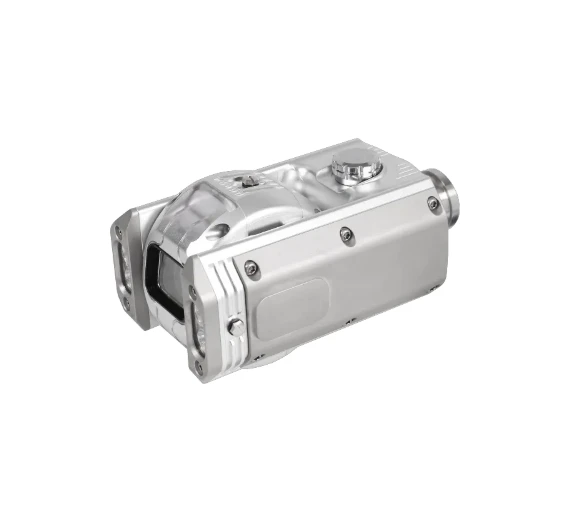
One example of a Pipe Robot that is designed to work in harsh environments is the Storm Sewer Camera. This robot is specifically designed for use in storm sewer systems, where it can withstand the harsh conditions of sewage and debris.
The Storm Sewer Camera is equipped with a high-resolution camera and powerful lights, allowing it to capture clear images and videos of the inside of pipes. It is also designed to be waterproof and corrosion-resistant, ensuring long-term performance in wet and corrosive environments.
In addition, the Storm Sewer Camera is highly maneuverable, with the ability to navigate through tight bends and narrow pipes. It can be controlled remotely, allowing operators to view the camera feed and control the robot's movement from a safe distance.
Conclusion
In conclusion, Pipe Robots are capable of working effectively in harsh environments, thanks to their robust construction, advanced features, and versatile design. They have been successfully deployed in a wide range of applications, demonstrating their ability to perform in challenging conditions and provide valuable insights into the condition of pipes.
If you're in need of a Pipe Robot for your specific application, I encourage you to explore our range of products at Pipe Robot and Pipe Crawler. Our team of experts can help you choose the right robot for your needs and provide you with the support and training you need to ensure its successful operation.
Whether you're dealing with extreme temperatures, corrosive substances, high pressure, or other challenging conditions, our Pipe Robots are designed to deliver reliable performance and accurate results. Contact us today to learn more about how our Pipe Robots can help you solve your pipe inspection and maintenance challenges.
References
- "Pipe Inspection Robotics: A Review," Journal of Field Robotics, Vol. 30, No. 1, 2013.
- "Advances in Pipe Crawling Robots for Inspection and Maintenance," Proceedings of the IEEE International Conference on Robotics and Automation, 2015.
- "Design and Development of a Pipe Inspection Robot for Harsh Environments," Robotics and Autonomous Systems, Vol. 61, No. 11, 2013.


