Are pushrod cameras suitable for underwater inspections?
As a supplier of pushrod cameras, I've often been asked about the suitability of these devices for underwater inspections. In this blog post, I'll delve into the capabilities, limitations, and applications of pushrod cameras in underwater environments to help you determine if they're the right tool for your inspection needs.
Understanding Pushrod Cameras
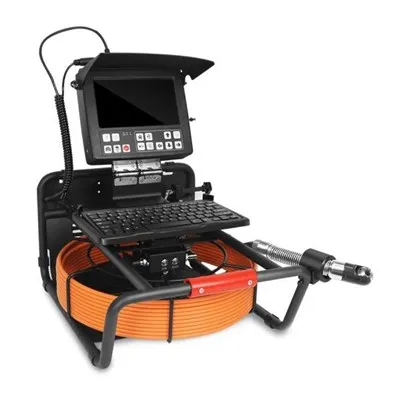
Pushrod cameras, also known as pipeline inspection cameras, are specialized devices designed to provide visual inspection of pipes, conduits, and other confined spaces. They typically consist of a camera head attached to a flexible pushrod, which can be inserted into the area of interest. The camera captures real-time video footage, which is transmitted to a monitor for viewing and analysis.
Pushrod cameras come in a variety of configurations, with different camera types, pushrod lengths, and features to suit various inspection requirements. Some models are equipped with high-resolution cameras, adjustable lighting, and pan-tilt-zoom capabilities, allowing for detailed and accurate inspections.
Advantages of Pushrod Cameras for Underwater Inspections
-
Portability and Maneuverability
Pushrod cameras are relatively compact and lightweight, making them easy to transport and deploy in different underwater locations. Their flexible pushrods can navigate through bends, curves, and narrow passages, allowing access to areas that may be difficult to reach with other inspection methods. -
Real-time Visual Inspection
One of the key advantages of pushrod cameras is the ability to provide real-time video footage of the underwater environment. This allows inspectors to immediately identify any issues, such as cracks, leaks, or blockages, and make informed decisions about the necessary repairs or maintenance. -
Cost-effective Solution
Compared to other underwater inspection methods, such as remotely operated vehicles (ROVs) or divers, pushrod cameras are generally more cost-effective. They require less equipment and personnel, and can be used for a wide range of inspection tasks, making them a practical choice for many underwater applications. -
Versatility
Pushrod cameras can be used in a variety of underwater environments, including pipes, tanks, wells, and underwater structures. They can be used for both routine inspections and emergency response situations, providing valuable information for asset management and maintenance.
Limitations of Pushrod Cameras for Underwater Inspections
-
Limited Depth and Range
Pushrod cameras are typically designed for relatively shallow underwater inspections, with maximum depths ranging from a few meters to tens of meters. Their pushrod lengths are also limited, which may restrict access to deeper or more distant areas. -
Visibility and Lighting Challenges
Underwater visibility can be poor due to factors such as sediment, turbidity, and low light conditions. Pushrod cameras may require additional lighting to improve visibility, and their camera lenses may become dirty or obscured over time, affecting the quality of the video footage. -
Limited Manipulation and Sampling Capabilities
Pushrod cameras are primarily designed for visual inspection and do not have the ability to manipulate objects or collect samples underwater. In some cases, additional equipment or techniques may be required to perform more comprehensive inspections.

Applications of Pushrod Cameras in Underwater Inspections
-
Pipeline Inspections
Pushrod cameras are commonly used for inspecting underwater pipelines, such as sewer pipes, water pipes, and oil and gas pipelines. They can detect cracks, corrosion, blockages, and other defects, allowing for timely repairs and maintenance to prevent leaks and failures. -
Tank and Well Inspections
Pushrod cameras can be used to inspect the interior of underwater tanks and wells, such as storage tanks, water wells, and septic tanks. They can identify issues such as sediment buildup, structural damage, and the presence of contaminants, helping to ensure the safety and integrity of these structures. -
Underwater Structure Inspections
Pushrod cameras can be used to inspect underwater structures, such as bridges, docks, and offshore platforms. They can detect cracks, corrosion, and other damage to the structure's components, providing valuable information for maintenance and repair planning. -
Environmental Monitoring
Pushrod cameras can be used for environmental monitoring in underwater habitats, such as rivers, lakes, and oceans. They can be used to observe the behavior and distribution of aquatic organisms, as well as to detect the presence of pollutants and other environmental hazards.
Conclusion
Pushrod cameras can be a valuable tool for underwater inspections, offering portability, real-time visual inspection, cost-effectiveness, and versatility. However, they also have limitations, such as limited depth and range, visibility and lighting challenges, and limited manipulation and sampling capabilities. When considering the use of pushrod cameras for underwater inspections, it's important to carefully evaluate the specific requirements of the inspection task and to choose a camera system that is suitable for the underwater environment.
If you're interested in learning more about our Pipe Inspection Camera System, Pipe Camera System, or Push Rod Sewer Drain Pipe Camera, please contact us to discuss your specific needs and to schedule a demonstration. Our team of experts is available to provide you with the information and support you need to make an informed decision about your underwater inspection requirements.
References
- ASCE (American Society of Civil Engineers). (2012). Manual of Practice No. 60: Pipeline Design and Construction for Water and Wastewater.
- ASTM (American Society for Testing and Materials). (2019). Standard Practice for Visual Inspection of Sewer Pipelines Using Closed-Circuit Television (CCTV) Equipment.
- ISO (International Organization for Standardization). (2017). ISO 18431-4:2017 - Condition monitoring and diagnostics of machines - Data processing, communication and presentation - Part 4: Guidelines for the use of vibration data in condition monitoring.