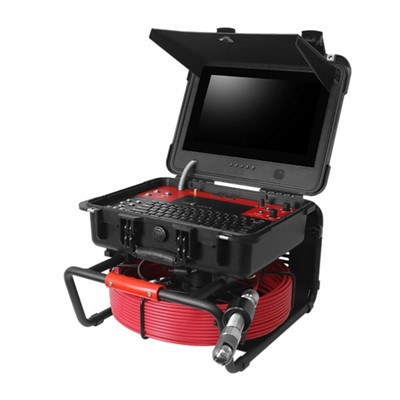
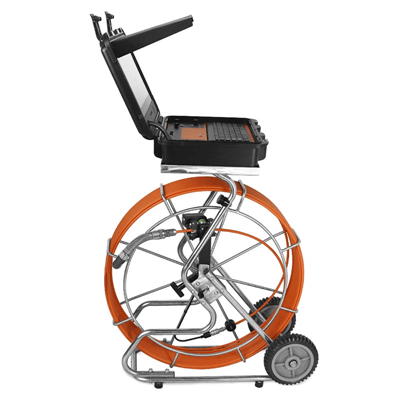
Choosing the right pan tilt borehole camera for your needs can feel like a real head - scratcher. As a supplier of these nifty gadgets, I've seen it all. People come to me with all sorts of requirements, and I'm here to help you cut through the confusion and make the right choice.
First off, let's talk about what a pan tilt borehole camera even is. It's a specialized tool that can be lowered down into boreholes, wells, or other tight spaces. The "pan tilt" feature means it can move horizontally (pan) and vertically (tilt), giving you a wide - angle view of what's going on down there. It's super useful for all kinds of applications, like well inspections, pipeline surveys, and even geological explorations.
Factors to Consider When Choosing
Depth Requirements
One of the most important things to think about is how deep you need the camera to go. Different cameras have different depth ratings. For instance, if you're just doing a quick inspection of a relatively shallow well, a basic camera might do the job. But if you're dealing with a really deep borehole, you'll need a camera that can handle the pressure.
Take a look at our 300 Meters Well Inspection Camera. It's designed to go down deep, giving you a clear view of what's happening at significant depths. This camera is equipped with a strong cable and a robust housing to withstand the pressure and other conditions at those depths.
Viewing Angle
The viewing angle is another key factor. A wider viewing angle means you can see more of the borehole without having to move the camera around too much. Some cameras offer a 360 Degree Borehole Camera option. This is really great because it gives you a full - circle view. It's like having eyes all around you in the borehole. You won't miss any details, whether it's cracks in the well wall or any debris that might be blocking the way.
Image Quality
You want a camera that can deliver clear, sharp images. After all, what's the point of having a camera if you can't see what's going on? High - resolution cameras are the way to go. They can capture even the smallest details, like tiny fractures or the presence of minerals. When you're choosing a camera, look at the specification and check the pixel count. The higher the pixel count, the better the image quality.
Lighting
Good lighting is essential in a borehole environment. Since it's usually dark down there, the camera needs to have its own lighting system. Some cameras come with built - in LED lights. You'll want to choose a camera with adjustable lighting. That way, you can brighten or dim the lights according to the conditions in the borehole. Too much light can cause glare, while too little will leave you in the dark.
Durability
Boreholes can be tough places. There's dirt, water, and sometimes even chemical substances. The camera you choose needs to be able to stand up to these harsh conditions. Look for a camera with a rugged housing. It should be waterproof, dustproof, and resistant to corrosion. A durable camera will last longer and save you money in the long run.
Application - Specific Considerations
Well Inspections
If you're in the business of well inspections, you need a camera that can handle the unique challenges of well environments. The camera needs to be able to detect things like leaks, blockages, and the condition of the well casing. Our Down Hole Camera is specifically designed for well inspections. It can provide real - time images that can help you make quick and accurate decisions about the well's condition.
Pipeline Surveys
For pipeline surveys, you need a camera that can move smoothly through the pipes. The pan tilt feature is especially useful here as it allows you to see all sides of the pipeline. You'll also want a camera with a long cable so that you can cover a large distance within the pipeline.
Geological Explorations
In geological explorations, you need a camera that can capture detailed images of the rock formations. The camera should be able to work in different geological conditions, whether it's a hard rock or a soft sediment. A high - resolution camera with good lighting is crucial for this type of application.
Budget
Of course, your budget is also a big consideration. Pan tilt borehole cameras can range from relatively affordable to quite expensive. You need to balance your budget with your requirements. Sometimes, spending a bit more on a high - quality camera can save you money in the long run. For example, a camera with better durability and image quality might require less maintenance and replacement in the future.


Technical Support
Don't forget about technical support. When something goes wrong with your camera, you want to be able to get help quickly. As a supplier, we offer excellent technical support to our customers. Whether it's a problem with the camera itself or the software, our team of experts is ready to assist you.
Making the Decision
Once you've considered all these factors, it's time to make a decision. Take a good look at your specific needs and match them with the features of different cameras. Don't be afraid to ask questions. If you're not sure about something, give us a shout. We're here to make sure you get the right pan tilt borehole camera for your needs.
If you're interested in purchasing a pan tilt borehole camera or have any questions about our products, we'd love to hear from you. Reach out to us, and we can have a detailed chat about your requirements. We'll help you find the perfect camera that fits both your needs and your budget.
References
- Industry knowledge and experience as a pan tilt borehole camera supplier.
- Product specifications and research on pan tilt borehole camera technology.