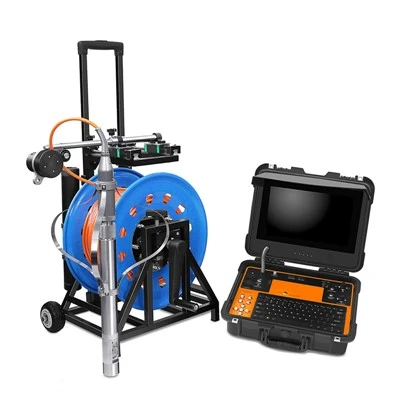
Hey there! I'm a supplier of Drain Inspection Cameras, and I've seen firsthand how important it is to store these nifty gadgets properly. Whether you're a professional plumber, a DIY enthusiast, or just someone who wants to keep an eye on their drains, knowing how to store your drain inspection camera right can save you a lot of headaches down the line.
Let's start with why proper storage matters. Drain inspection cameras are precision instruments. They have delicate components like the camera lens, the cable, and the control unit. If you don't store them correctly, you risk damaging these parts, which can lead to inaccurate inspections or even render the camera useless. And let's face it, these cameras aren't cheap, so taking good care of them is definitely worth it.
Clean the Camera Thoroughly Before Storage
Before you put your drain inspection camera away, you've got to give it a good clean. After all, it's been crawling through dirty drains, picking up all sorts of muck and grime. Start by removing any visible debris from the camera head and the cable. You can use a soft brush to gently scrub away dirt and sediment.
For a more thorough clean, you can use a mild detergent and water solution. Dip a clean cloth in the solution and carefully wipe down the camera and the cable. Make sure to avoid getting water into any of the electrical connections. Once you're done cleaning, dry the camera and cable completely with a clean, dry cloth. This helps prevent rust and corrosion, which can damage the camera over time.
Store the Camera in a Cool, Dry Place
Moisture is the enemy of drain inspection cameras. It can cause electrical shorts, rust, and mold growth, all of which can ruin your camera. That's why it's crucial to store your camera in a cool, dry place.
A climate - controlled storage area is ideal. If you don't have access to one, try to find a spot in your garage or shed that's away from direct sunlight and sources of moisture, like leaky pipes or windows. You can also use a dehumidifier in the storage area to keep the humidity levels down.
Protect the Cable
The cable is one of the most important parts of the drain inspection camera, and it's also one of the most vulnerable. It can easily get kinked, tangled, or damaged if not stored properly.
To store the cable correctly, start by coiling it neatly. Avoid making tight loops, as this can cause kinks in the cable. Instead, make large, loose coils. You can use cable ties or Velcro straps to keep the coils together.
If your camera came with a cable reel, use it to store the cable. The reel helps keep the cable organized and prevents it from getting tangled. Just make sure to wind the cable onto the reel evenly.
Store the Camera in a Protective Case
A protective case is a great investment for your drain inspection camera. It provides an extra layer of protection against bumps, scratches, and dust.
When choosing a case, look for one that's specifically designed for drain inspection cameras. It should have compartments to hold the camera head, the cable, and the control unit. Make sure the case is sturdy and has a good seal to keep out moisture and dust.
Check the Battery
If your drain inspection camera is battery - powered, you need to pay special attention to the battery during storage. Leaving a fully charged or fully discharged battery in storage for a long time can reduce its lifespan.
Before storing the camera, charge the battery to about 50%. This helps keep the battery in good condition. You should also remove the battery from the camera if it's removable. Store the battery in a cool, dry place and check it periodically to make sure it's still holding a charge.
Inspect the Camera Regularly
Even when your drain inspection camera is in storage, it's a good idea to inspect it regularly. This allows you to catch any potential problems early on and take steps to fix them.
Every few months, take the camera out of storage and give it a once - over. Check the camera head for any signs of damage or wear, such as cracks or scratches. Inspect the cable for kinks, cuts, or fraying. Make sure all the electrical connections are clean and secure.
CCTV Drain Inspection Cameras and Related Products
At our company, we offer a wide range of CCTV Drain Inspection Cameras that are built to last. Our cameras are designed with high - quality components and advanced technology to provide accurate and reliable drain inspections.
We also have Drain Inspection Cameras in different lengths and configurations to suit your specific needs. Whether you're inspecting a short residential drain or a long commercial sewer line, we've got you covered.
One of our popular products is the 30m Drain Inspection System. This system comes with a durable cable, a high - resolution camera, and a user - friendly control unit. It's perfect for both professional plumbers and DIYers.
Conclusion
Proper storage of your drain inspection camera is essential for its longevity and performance. By following these tips, you can ensure that your camera stays in good condition and is ready to use whenever you need it.
If you're in the market for a new drain inspection camera or need more information on how to take care of your existing one, don't hesitate to reach out. We're here to help you find the right camera for your needs and provide you with all the support you need. Contact us today to start the conversation about your drain inspection camera requirements!


References
- Industry best practices for camera equipment storage.
- Manufacturer's guidelines for drain inspection camera maintenance and storage.