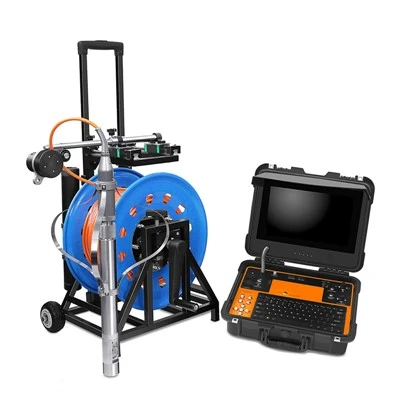
Hey there! I'm a supplier of drain cameras, and today I wanna talk about a question that often pops up: Can drain cameras be used in chemical - filled drains?
First off, let's understand what drain cameras are. They're super handy tools that help us peek inside drains to check for blockages, leaks, or any other issues. You can find different types of drain cameras on our website, like Drain Inspection Cameras, Drain Pipe Inspection Camera, and CCTV Drain Inspection Cameras. These cameras come with long cables and high - resolution lenses, allowing us to get a clear view of what's going on deep inside the drains.
Now, onto the main question. Using drain cameras in chemical - filled drains is a bit of a tricky situation. Chemicals in drains can vary widely. Some drains might have mild cleaning agents, while others could be filled with highly corrosive substances like strong acids or alkalis.
Let's start with the good news. In drains with mild chemicals, it's often possible to use drain cameras. Mild cleaning agents usually don't pose a significant threat to the camera's components. The materials used in modern drain cameras are designed to be somewhat resistant to common household chemicals. For example, the outer casing of many cameras is made of durable plastics that can withstand short - term exposure to mild detergents. The lenses are also coated to prevent minor chemical damage.
However, when we're dealing with highly corrosive chemicals, things get a lot more complicated. Strong acids or alkalis can eat away at the camera's materials. The metal parts of the camera, like the connectors and cables, are particularly vulnerable. Corrosion can cause the metal to weaken, leading to electrical problems or even breakage. The camera's lenses can also be affected. If the coating on the lens is damaged by the chemicals, the image quality will deteriorate, making it difficult to get a clear view of the drain.


Another factor to consider is the temperature. Some chemical reactions in drains can generate heat. High temperatures can also damage the camera's internal components. For instance, the electronic circuits inside the camera can overheat, leading to malfunctions.
So, how do we determine if it's safe to use a drain camera in a chemical - filled drain? The first step is to identify the chemicals in the drain. If possible, get a sample and have it analyzed. This might seem like a hassle, but it's crucial for the safety of the camera. You can also look at the drain's history. If it's a commercial drain that's known to handle certain chemicals, you can get an idea of what you're dealing with.
Once you know the chemicals, you need to check the camera's specifications. Most drain camera manufacturers provide information about the camera's chemical resistance. Compare the chemicals in the drain with the camera's resistance capabilities. If the camera isn't rated for the specific chemicals, it's probably not a good idea to use it.
If you're still unsure, it's always a good idea to do a test. You can take a small part of the camera, like a spare cable or a sample of the casing material, and expose it to the chemicals in a controlled environment for a short period. Observe if there are any signs of damage, such as discoloration, swelling, or softening.
Now, let's talk about some precautions you can take if you decide to use a drain camera in a chemical - filled drain. First, make sure to wear appropriate protective gear. This includes gloves, goggles, and a respirator if the chemicals produce harmful fumes. When inserting the camera, do it slowly and carefully. Avoid splashing the chemicals onto the camera as much as possible.
After using the camera in a chemical - filled drain, it's essential to clean it properly. Rinse the camera thoroughly with clean water to remove any chemical residue. You can also use a mild detergent to clean the outer surface. Make sure to dry the camera completely before storing it. This will help prevent any long - term damage from the remaining chemicals.
In some cases, you might want to consider using a disposable or sacrificial part. For example, you can use a protective sleeve over the camera's cable. If the sleeve gets damaged by the chemicals, it can be easily replaced, saving the main camera from damage.
As a drain camera supplier, I've seen firsthand the importance of using the right equipment in the right situations. We offer a wide range of drain cameras, each with different levels of chemical resistance. Whether you're dealing with a simple household drain or a complex commercial one, we can help you find the right camera for the job.
If you're facing a situation where you need to inspect a chemical - filled drain, don't hesitate to reach out to us. Our team of experts can provide you with more detailed advice based on your specific situation. We can also help you choose the most suitable camera and offer tips on how to use it safely.
In conclusion, while it's possible to use drain cameras in some chemical - filled drains, it requires careful consideration. Identifying the chemicals, checking the camera's specifications, and taking appropriate precautions are all essential steps. With the right approach, you can use our drain cameras to get a clear view of the drain without causing damage to the equipment.
So, if you're in the market for a drain camera or need advice on using one in a chemical - filled drain, contact us. We're here to help you make the best decision for your drain inspection needs.
References
- Manufacturer's manuals of drain cameras for chemical resistance information.
- Studies on the effects of different chemicals on common materials used in electronics.