Calibration is a crucial aspect of maintaining the accuracy and reliability of any measuring instrument, and a 100 ft sewer camera is no exception. As a supplier of 100 ft sewer cameras, I often receive inquiries from customers about how often they should calibrate their equipment. In this blog post, I will delve into the factors that influence the calibration frequency and provide some general guidelines to help you make an informed decision.
Understanding Calibration
Before discussing the calibration frequency, it's essential to understand what calibration means in the context of a 100 ft sewer camera. Calibration is the process of comparing the measurements of a device against a known standard to determine its accuracy. For a sewer camera, this involves checking the camera's image quality, resolution, color accuracy, and the accuracy of any distance measuring tools it may have.
Accurate calibration ensures that the camera provides clear and reliable images of the sewer lines, allowing plumbers and sewer inspectors to accurately identify issues such as blockages, leaks, and damage. Without proper calibration, the images may be distorted or inaccurate, leading to misdiagnosis and ineffective repairs.
Factors Affecting Calibration Frequency
Several factors can influence how often a 100 ft sewer camera should be calibrated. These include:
1. Usage Frequency
The more frequently a sewer camera is used, the more often it may need to be calibrated. Heavy usage can cause wear and tear on the camera's components, which can affect its accuracy over time. For example, if a camera is used several times a day for sewer inspections, it may require more frequent calibration than a camera that is only used occasionally.
2. Operating Conditions
The environment in which the sewer camera is used can also impact its calibration needs. Harsh operating conditions, such as extreme temperatures, high humidity, or exposure to chemicals, can cause the camera's components to deteriorate more quickly, leading to a loss of accuracy. Cameras used in particularly challenging environments may need to be calibrated more often.
3. Manufacturer's Recommendations
Most manufacturers provide guidelines on how often their sewer cameras should be calibrated. These recommendations are based on the design and construction of the camera and are a good starting point for determining the appropriate calibration frequency. It's important to follow the manufacturer's instructions to ensure the camera's continued accuracy and reliability.
4. Regulatory Requirements
In some industries or regions, there may be regulatory requirements regarding the calibration of sewer cameras. For example, certain municipalities or government agencies may require that sewer inspection equipment be calibrated at regular intervals to ensure compliance with safety and quality standards. It's important to be aware of any applicable regulations and to adhere to them.
General Calibration Frequency Guidelines
Based on the factors mentioned above, here are some general guidelines for calibrating a 100 ft sewer camera:
1. Light Usage
If the sewer camera is used sporadically, such as a few times a month or less, it may be sufficient to calibrate it once a year. This allows for any minor changes in the camera's accuracy to be corrected before they become significant.
2. Moderate Usage
For cameras that are used moderately, such as a few times a week, calibration every six months is recommended. This frequency helps to ensure that the camera remains accurate and reliable, even with regular use.
3. Heavy Usage
If the sewer camera is used daily or multiple times a day, it should be calibrated every three months. Heavy usage can cause more rapid wear and tear on the camera's components, so more frequent calibration is necessary to maintain accuracy.
4. Special Circumstances
In cases where the camera is exposed to extreme operating conditions or has been subjected to a significant shock or impact, it should be calibrated immediately. Additionally, if there are any signs of a decrease in image quality or accuracy, such as blurry images or incorrect distance measurements, the camera should be calibrated as soon as possible.
The Importance of Professional Calibration
While some basic checks can be performed in-house, it's generally recommended to have a 100 ft sewer camera calibrated by a professional calibration service. Professional calibrators have the necessary equipment and expertise to perform accurate and detailed calibrations, ensuring that the camera meets the highest standards of accuracy and reliability.
A professional calibration service will typically follow a standardized calibration procedure, which includes comparing the camera's measurements against traceable reference standards. This provides an objective and verifiable assessment of the camera's accuracy and ensures that any adjustments are made correctly.
Benefits of Regular Calibration
Regular calibration of a 100 ft sewer camera offers several benefits, including:
1. Improved Accuracy
Calibration ensures that the camera provides accurate and reliable images and measurements, allowing for more precise diagnosis of sewer line issues. This can lead to more effective repairs and reduced downtime.
2. Extended Equipment Life
By identifying and correcting any issues with the camera's accuracy early on, regular calibration can help to extend the life of the equipment. This can save you money in the long run by reducing the need for costly repairs or replacements.
3. Compliance with Standards
In industries or regions where there are regulatory requirements for sewer camera calibration, regular calibration ensures that you remain in compliance. This can help you avoid fines and legal issues.
4. Customer Satisfaction
Accurate and reliable sewer camera inspections can lead to better customer satisfaction. When customers receive clear and detailed information about the condition of their sewer lines, they are more likely to trust your services and recommend you to others.


Our Sewer Camera Products
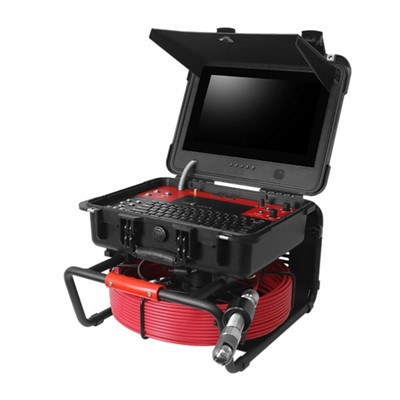
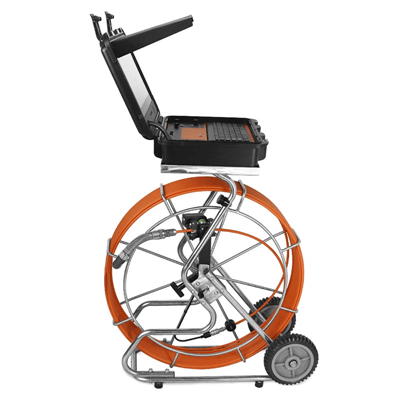
As a leading supplier of 100 ft sewer cameras, we offer a range of high-quality products designed to meet the needs of plumbers, sewer inspectors, and other professionals. Our Plumbing Camera is a versatile and reliable tool for inspecting plumbing systems, while our 33mm Pan Tilt Rotation Sewage Drain Camera with Manual Focus Function provides enhanced flexibility and control. We also offer a wide selection of Sewer Inspection Cameras with advanced features and capabilities.
Contact Us for More Information
If you have any questions about our 100 ft sewer cameras or the calibration process, please don't hesitate to contact us. Our team of experts is available to provide you with detailed information and assistance. We can also help you determine the appropriate calibration frequency for your specific needs and recommend the best solutions for your business.
Conclusion
Calibrating a 100 ft sewer camera is an important part of maintaining its accuracy and reliability. By considering the factors that affect calibration frequency and following the general guidelines provided in this blog post, you can ensure that your camera provides clear and accurate images of sewer lines, allowing for more effective inspections and repairs. If you're in the market for a high-quality sewer camera or need assistance with calibration, contact us today to learn more about our products and services.
References
- Smith, J. (2023). The Importance of Calibration in Sewer Camera Inspections. Plumbing Today.
- Brown, A. (2022). Best Practices for Maintaining Sewer Camera Equipment. Sewer and Drain Magazine.
- Johnson, R. (2021). Understanding the Calibration Process for Sewer Inspection Cameras. Industrial Inspection Journal.