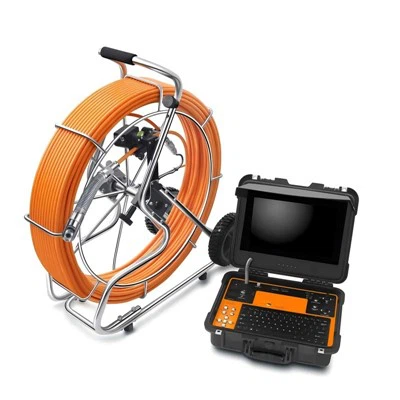
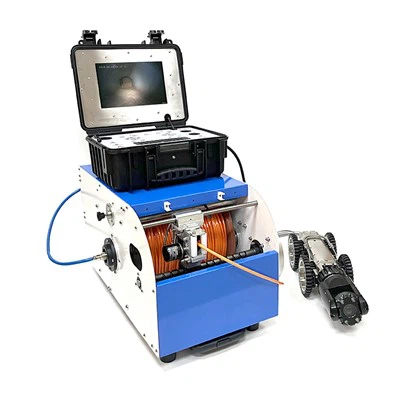
As a supplier of 360 Degree Borehole Cameras, I understand the importance of ensuring these high - tech devices reach our customers in perfect condition. Transportation can be a challenging phase, as the camera is exposed to various risks that could potentially cause damage. In this blog, I'll share some effective strategies to protect a 360 Degree Borehole Camera during transportation.
1. Choose the Right Packaging
The first step in protecting your 360 Degree Borehole Camera is selecting appropriate packaging materials. A sturdy, custom - made case is ideal. It should be made of high - quality, shock - absorbing materials such as foam or rubber. These materials can cushion the camera from impacts and vibrations during transit.
The case should also be designed to fit the camera precisely. A loose - fitting case can allow the camera to move around inside, increasing the risk of damage. For example, if the camera is jostled around during transportation, it could hit the sides of the case, causing scratches or even internal damage to its delicate components.
Some suppliers offer hard - shell cases with built - in foam inserts. These cases are not only durable but also provide excellent protection. The foam inserts can be custom - cut to hold the camera, cables, and any other accessories securely in place.
2. Secure the Camera Internally
Inside the packaging, it's crucial to secure the camera properly. This can be done by using straps or Velcro to hold the camera in place. Make sure that all parts of the camera, including the lens, the body, and any protruding components, are well - secured.
If the camera comes with cables or other accessories, they should be neatly coiled and secured as well. Loose cables can get tangled and potentially pull on the camera, causing damage. You can use cable ties or small clips to keep the cables organized.
3. Label the Package Clearly
Proper labeling of the package is essential. Clearly mark the package as "Fragile" and "Handle with Care." This will alert the transportation staff to the delicate nature of the contents and encourage them to handle the package more gently.
In addition to the "Fragile" label, you can also include instructions on how to handle the package. For example, you can indicate that the package should be kept upright at all times or that it should not be stacked with heavy items on top.
4. Select a Reliable Shipping Carrier
Choosing the right shipping carrier is a critical decision. Look for a carrier with a good reputation for handling fragile items. Research their track record in terms of delivery success rates and customer reviews.
Some carriers offer specialized services for transporting delicate equipment. They may have trained staff who are experienced in handling high - value and fragile items. These carriers also often have better tracking systems, which allow you to monitor the progress of your shipment and ensure that it is being handled properly.


5. Insure the Shipment
Even with the best packaging and a reliable shipping carrier, there is still a small risk of damage during transportation. To protect yourself and your customer, it's advisable to insure the shipment.
Insurance can provide financial compensation in case the camera is damaged or lost during transit. When choosing an insurance policy, make sure to understand the terms and conditions, including what is covered and what is excluded.
6. Temperature and Humidity Control
360 Degree Borehole Cameras are sensitive to extreme temperatures and humidity. During transportation, it's important to ensure that the camera is not exposed to these adverse conditions.
If the shipment is going to be transported in a vehicle or a container, consider using temperature - controlled options. Some shipping carriers offer climate - controlled transportation services, which can maintain a stable temperature and humidity level inside the package.
7. Pre - Transport Inspection
Before sending the camera, conduct a thorough pre - transport inspection. Check the camera for any signs of damage or malfunction. Test all its functions to ensure that it is working properly.
If you find any issues during the inspection, address them immediately. This can prevent problems from occurring during transportation and ensure that the customer receives a fully functional camera.
8. Provide Handling Instructions to the Customer
In addition to the above measures, it's also a good idea to provide the customer with handling instructions. Let them know how to unpack the camera safely and what to do if they notice any damage upon receipt.
You can include a small instruction sheet inside the package or send it via email. This can help the customer take the necessary steps to protect the camera and ensure its proper operation.
The Role of 360 Degree Borehole Cameras in Various Applications
360 Degree Borehole Cameras are widely used in different industries. For instance, in the water well industry, they play a crucial role in Water Well Camera Inspection. These cameras can provide a detailed view of the inside of the well, helping to detect any problems such as blockages, cracks, or corrosion.
In the case of underwater applications, Underwater Borewell Camera are essential. They can withstand the harsh underwater environment and provide clear images of the borehole, which is useful for geological surveys and construction projects.
For deep - well applications, Deep Well Camera are designed to operate at great depths. They can help in assessing the condition of the well and identifying any potential issues that may affect its performance.
Conclusion
Protecting a 360 Degree Borehole Camera during transportation is a multi - step process that requires careful planning and attention to detail. By choosing the right packaging, securing the camera properly, selecting a reliable shipping carrier, insuring the shipment, and controlling temperature and humidity, you can significantly reduce the risk of damage.
If you are in the market for a high - quality 360 Degree Borehole Camera, we are here to provide you with the best products and services. Our cameras are designed to meet the highest standards of quality and performance. Contact us to discuss your specific needs and start a procurement process that ensures you get the right camera for your application.
References
- General knowledge on shipping fragile equipment
- Industry best practices for transporting high - tech devices