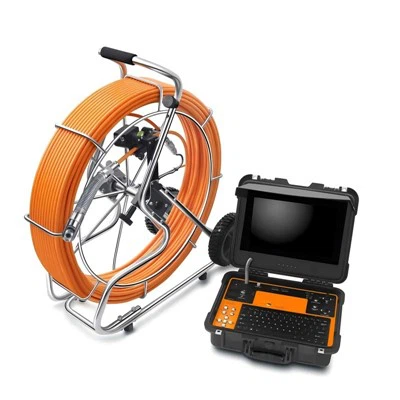
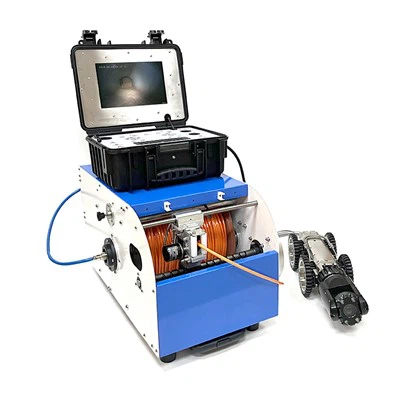
Hey there! As a supplier of Forward & Backward Viewing Inspection Cameras, I often get asked about the depth rating of these nifty devices. So, let's dive right in and explore what the depth rating means and why it's crucial for your inspection needs.
What is the Depth Rating?
The depth rating of a Forward & Backward Viewing Inspection Camera refers to the maximum depth at which the camera can operate effectively underwater. It's a key specification because it determines where you can use the camera. For instance, if you're inspecting a shallow pool, a camera with a lower depth rating might be sufficient. But if you're looking at deep sewer lines or underwater structures, you'll need a camera with a higher depth rating.
The depth rating is usually measured in meters or feet. For example, a camera with a depth rating of 10 meters can safely be submerged up to 10 meters below the water surface without any damage to its internal components. This rating takes into account factors like water pressure, which increases with depth. As the water pressure rises, it can put stress on the camera's housing, lens, and other parts. A camera with a proper depth rating is designed to withstand this pressure and keep functioning.
Why Does the Depth Rating Matter?
1. Safety
Using a camera beyond its depth rating can be risky. The increased water pressure can cause the camera's housing to crack or leak, leading to water damage. This not only ruins the camera but can also pose a safety hazard if it's being used in an industrial or commercial setting. So, knowing the depth rating ensures that you're using the camera safely.
2. Performance
A camera operating within its depth rating will perform better. The lens will remain clear, and the image quality will be consistent. If you try to use a camera at a depth greater than its rating, the image might become distorted or blurry due to the pressure affecting the camera's internal optics.
3. Versatility
The depth rating determines the range of applications for the camera. A camera with a high depth rating can be used in a variety of settings, from shallow ponds to deep sewer systems. This gives you more flexibility in where you can use the camera, making it a valuable tool for different inspection tasks.
How is the Depth Rating Determined?
Manufacturers determine the depth rating through a series of tests. They submerge the camera in a pressure chamber and gradually increase the pressure to simulate the conditions at different depths. The camera is then monitored to see how it performs under the pressure. If it continues to function properly without any signs of damage, the depth at which the test was conducted is assigned as the depth rating.
It's important to note that the depth rating is based on ideal conditions. In real-world use, factors like water temperature, water quality, and the presence of debris can affect the camera's performance. So, it's a good idea to give yourself a bit of a safety margin when using the camera at or near its depth rating.
Choosing the Right Depth Rating
When choosing a Forward & Backward Viewing Inspection Camera, you need to consider the depth of the areas you'll be inspecting. Here are some general guidelines:
Shallow Inspections (Up to 5 meters)
If you're inspecting shallow pools, small plumbing systems, or surface water bodies, a camera with a depth rating of 5 meters should be sufficient. These cameras are usually more affordable and lightweight, making them easy to handle. You can check out our Pool Plumbing Camera for such applications.
Medium Depth Inspections (5 - 20 meters)
For medium-depth inspections, such as sewer lines or underwater structures in lakes, a camera with a depth rating between 5 and 20 meters is a good choice. These cameras are built to withstand higher water pressure and offer better image quality. Our Forward & Backward Viewing Inspection Camera comes with different depth ratings to suit your needs.
Deep Inspections (Over 20 meters)
If you're dealing with deep sea exploration, deep sewer systems, or large industrial water tanks, you'll need a camera with a depth rating of over 20 meters. These cameras are more robust and come with advanced features to handle the extreme conditions. Our HD Sewer Camera is designed for such deep inspections.
Other Factors to Consider
While the depth rating is important, there are other factors to consider when choosing a Forward & Backward Viewing Inspection Camera:
Image Quality
The image quality is crucial for accurate inspections. Look for a camera with high-resolution capabilities and good color reproduction. A clear image will help you identify any issues or defects easily.
Camera Flexibility
A flexible camera allows you to reach difficult-to-access areas. Some cameras come with a bendable cable or a swiveling lens, which can be very useful in tight spaces.
Lighting
Proper lighting is essential for good image quality, especially in dark environments. Look for a camera with built-in LED lights that can be adjusted according to the conditions.
Conclusion
The depth rating of a Forward & Backward Viewing Inspection Camera is a critical factor to consider when choosing the right camera for your inspection needs. It determines where you can use the camera and how well it will perform. By understanding the depth rating and other important features, you can make an informed decision and get the most out of your inspection camera.


If you're interested in purchasing a Forward & Backward Viewing Inspection Camera or have any questions about our products, feel free to reach out to us. We're here to help you find the perfect camera for your specific requirements.
References
- Camera Manufacturers' Technical Documentation
- Industry Standards for Inspection Cameras