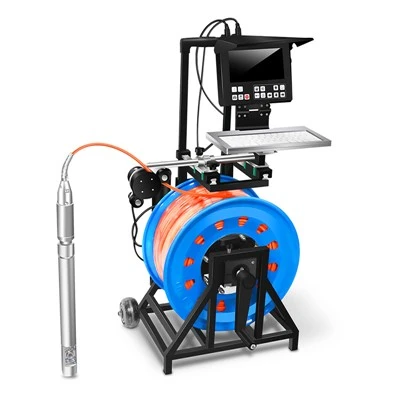
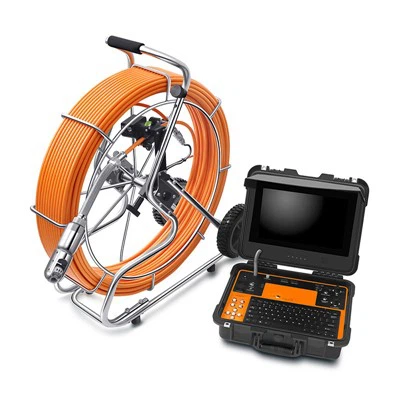
Hey there! As a supplier of pushrod cameras, I often get asked about the maximum depth these nifty devices can reach. It's a question that really gets to the heart of what these cameras are all about, so let's dive right in and explore this topic.
First off, what are pushrod cameras? Well, they're a type of inspection camera that you can use to peek into places that are hard to reach, like pipes, ducts, and even small cavities in machinery. They come in all shapes and sizes, and are super handy for a whole bunch of industries, from plumbing and construction to manufacturing and beyond.
So, what determines the maximum depth a pushrod camera can reach? There are a few key factors at play here. One of the most important is the length of the pushrod itself. You see, the pushrod is the long, flexible tube that the camera is attached to, and it's what allows you to guide the camera into those tight spots. The longer the pushrod, the deeper you can go.
But it's not just about the length. The quality and flexibility of the pushrod also matter a great deal. A high - quality pushrod will be more resistant to kinking and bending, which means it can be pushed further without getting stuck. It also needs to be able to withstand the environment it's being used in. For example, if you're using the camera to inspect a pipe that has sharp edges or rough surfaces, the pushrod needs to be tough enough not to get damaged.
Another factor is the camera's cable. The cable is what transmits the video signal from the camera back to the display unit. If the cable is too long, the signal can start to degrade, which can result in a poor - quality image. So, manufacturers have to find a balance between the length of the cable and the quality of the signal it can transmit.
Now, let's talk about some real - world numbers. In general, most standard pushrod cameras can reach depths of up to 50 to 100 feet. These are great for everyday inspections, like checking the inside of residential pipes or small commercial ducts. They're relatively easy to handle and are a popular choice for many contractors.
But if you need to go deeper, there are some heavy - duty pushrod cameras out there that can reach much greater depths. Some industrial - grade models can reach depths of 200 feet or more. These are typically used in large - scale construction projects, sewer inspections, or in industries where you need to inspect long, deep pipes.
For instance, in a big city's sewer system, inspectors often use high - end pushrod cameras to check for blockages, leaks, or damage in the pipes. These cameras need to be able to travel long distances through complex pipe networks, so they're designed with extra - long pushrods and high - quality cables to ensure a clear video signal.
Let's take a look at some of the products we offer. Our Pipe Inspection Camera System is a great all - around option. It's designed for both residential and commercial pipe inspections and can reach a decent depth of up to 80 feet. It comes with a high - resolution camera that provides clear images, and the pushrod is made of a durable material that resists kinking.
If you need more flexibility and control, our Pan Tilt Push Camera is a top - notch choice. This camera allows you to pan and tilt the camera head, giving you a better view of the inside of the pipe. It can reach depths of up to 120 feet and is perfect for more detailed inspections.
For those really tough jobs, like inspecting pipe welds in industrial settings, our Pipe Weld Inspection Camera is the way to go. It's built to withstand harsh environments and can reach depths of up to 200 feet. The camera has special features that make it ideal for detecting flaws in pipe welds.


When choosing a pushrod camera, it's important to consider your specific needs. Think about the depth you need to reach, the type of environment you'll be working in, and the level of detail you need in your inspections.
Of course, reaching the maximum depth isn't just about the camera itself. You also need to have the right skills and techniques. For example, when pushing the camera into a pipe, you need to do it slowly and carefully to avoid getting the pushrod stuck. You also need to make sure that the camera is properly aligned so that you get a good view of the inside of the pipe.
In conclusion, the maximum depth that pushrod cameras can reach varies depending on a number of factors. While standard cameras can reach 50 - 100 feet, industrial - grade models can go much deeper, up to 200 feet or more. At our company, we offer a range of pushrod cameras to suit different needs and budgets.
If you're in the market for a pushrod camera and want to learn more about our products, or if you have any questions about the maximum depth and which camera is right for you, don't hesitate to get in touch. We're here to help you make the best choice for your inspection needs. Let's start a conversation and see how we can assist you with your next project.
References
- Industry standards and specifications for pushrod cameras
- Manufacturer's product manuals and technical data sheets