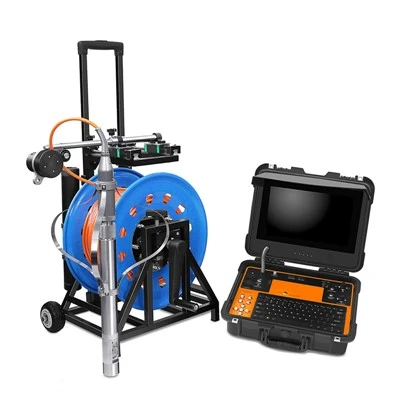
Hey there! As a supplier of Pipe Robots, I often get asked about the maximum length of pipe a Pipe Robot can traverse. It's a crucial question, especially for those in the pipeline inspection and maintenance business. So, let's dive right into it.
Understanding the Basics
First off, what exactly is a Pipe Robot? Well, it's a nifty little machine designed to navigate through pipes, performing various tasks like inspection, cleaning, and repair. These robots come in different shapes and sizes, each tailored to specific pipe diameters and applications.
There are several types of Pipe Robots out there, such as the Pipe Crawler, Sewer Inspection Crawler, and Sewer Camera Crawler. Each of these has its own unique features and capabilities, but they all share the common goal of making pipe inspection and maintenance easier and more efficient.
Factors Affecting the Traversal Length
Now, let's talk about the factors that determine the maximum length of pipe a Pipe Robot can traverse. There are several key factors to consider:
1. Power Source
One of the most important factors is the power source of the Pipe Robot. Most Pipe Robots are powered by batteries, and the battery life directly affects how far the robot can travel. The capacity of the battery, the power consumption of the robot, and the operating conditions all play a role in determining the maximum traversal length.
For example, if a Pipe Robot has a high-capacity battery and low power consumption, it can travel a longer distance before needing to be recharged. On the other hand, if the robot is operating in a harsh environment or performing complex tasks, it may consume more power and have a shorter traversal length.
2. Communication and Control
Another crucial factor is the communication and control system of the Pipe Robot. The robot needs to be able to send and receive signals to and from the operator, and the quality of the communication link can affect the maximum traversal length.
If the communication link is weak or interrupted, the operator may lose control of the robot, which can limit its ability to travel further. Additionally, the type of communication system used, such as wired or wireless, can also affect the traversal length. Wired systems generally have a shorter range, while wireless systems can offer greater flexibility but may be more susceptible to interference.
3. Pipe Conditions
The condition of the pipe itself also plays a significant role in determining the maximum traversal length. If the pipe is straight, smooth, and free of obstacles, the Pipe Robot can travel more easily and cover a greater distance. However, if the pipe is curved, has rough surfaces, or contains debris or blockages, the robot may encounter difficulties and have a shorter traversal length.
For example, a Pipe Robot may have trouble navigating through a pipe with sharp bends or narrow passages, as it may get stuck or damaged. Similarly, if the pipe is filled with debris or blockages, the robot may need to stop and clear the path, which can reduce its overall traversal length.
4. Robot Design and Capabilities
The design and capabilities of the Pipe Robot itself also affect its maximum traversal length. Some robots are designed to be more agile and maneuverable, allowing them to navigate through complex pipe systems with ease. Others may have specialized features, such as extendable arms or cameras, which can enhance their functionality but may also limit their traversal length.
For example, a Pipe Robot with a long, flexible body may be able to navigate through curved pipes more easily, but it may also be more prone to getting tangled or damaged. On the other hand, a robot with a compact design may be more suitable for navigating through narrow pipes, but it may have limited reach and functionality.
Real-World Examples
To give you a better idea of the maximum traversal length of Pipe Robots, let's look at some real-world examples.
In a recent project, we used a Sewer Inspection Crawler to inspect a sewer pipe that was over 500 meters long. The robot was equipped with a high-capacity battery and a reliable communication system, which allowed it to travel the entire length of the pipe without any issues.
In another project, we used a Pipe Crawler to inspect a water pipe that was over 1000 meters long. The pipe had several bends and narrow passages, which made it a challenging task for the robot. However, thanks to its agile design and advanced navigation system, the robot was able to successfully navigate through the pipe and complete the inspection.
Conclusion
So, what is the maximum length of pipe a Pipe Robot can traverse? Well, it depends on several factors, including the power source, communication and control system, pipe conditions, and robot design and capabilities. In general, modern Pipe Robots can travel several hundred meters or more, but the exact traversal length will vary depending on the specific application and conditions.
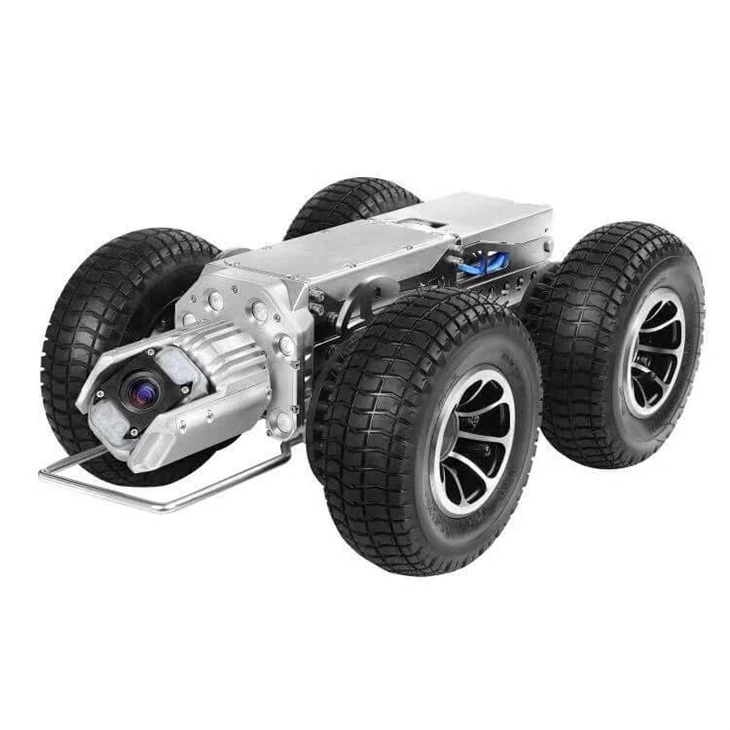
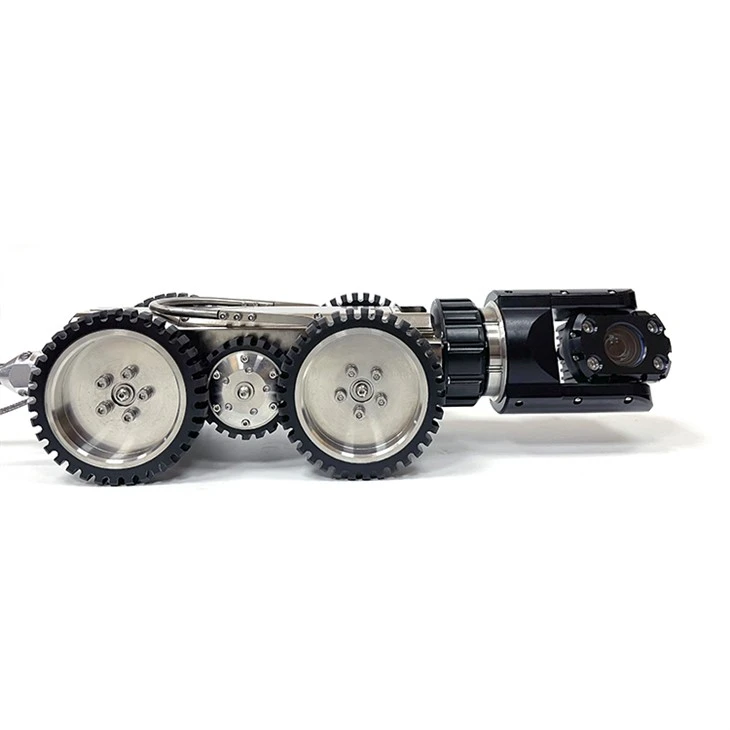
If you're in the market for a Pipe Robot, it's important to consider your specific needs and requirements. Make sure to choose a robot that is suitable for the type of pipe you need to inspect or maintain, and that has the necessary features and capabilities to meet your needs.
If you have any questions or would like to learn more about our Pipe Robots, please don't hesitate to contact us. We'd be happy to help you find the right solution for your project.