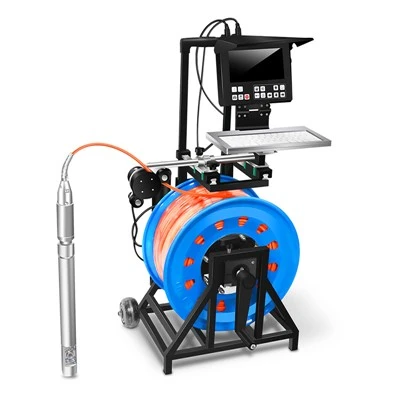
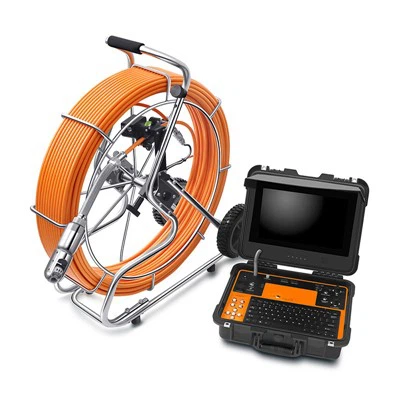
Hey there! As a supplier of Pipe Robots, I often get asked about the payload capacity of these nifty machines. So, I thought I'd take a deep dive into this topic and share some insights with you all.


First off, let's understand what we mean by "payload capacity." In simple terms, it's the maximum weight or load that a Pipe Robot can carry while still functioning effectively. This includes any additional equipment or tools that you might attach to the robot for specific tasks.
The payload capacity of a Pipe Robot can vary quite a bit depending on several factors. One of the main factors is the size and design of the robot itself. Smaller Pipe Robots, like the ones used for inspecting narrow pipes, usually have a lower payload capacity. They're built to be lightweight and maneuverable, so they can easily navigate through tight spaces. On the other hand, larger Pipe Robots that are designed for bigger pipes and more heavy - duty tasks can handle a much larger payload.
Another factor that affects payload capacity is the power source of the robot. Robots powered by high - capacity batteries or external power supplies can generally carry more weight because they have the energy to move the additional load. For example, a Pipe Robot with a strong electric motor and a well - designed power management system can handle a heavier payload compared to one with a less powerful motor.
The type of wheels or tracks on the Pipe Robot also plays a role. Robots with large, sturdy wheels or tracks can distribute the weight of the payload more evenly and provide better traction. This allows them to carry more weight without getting stuck or losing control. Some Pipe Robots even have adjustable wheel configurations, which can be optimized for different payloads and pipe conditions.
Now, let's talk about the different types of payloads that a Pipe Robot might need to carry. One common payload is a camera system. Many Pipe Robots are equipped with cameras for inspection purposes. These cameras can range from simple, low - resolution cameras to high - definition, pan - tilt - zoom cameras. The weight of the camera system can vary depending on its features and quality. A basic camera might only weigh a few ounces, while a more advanced camera with additional lighting and stabilization equipment could weigh several pounds.
In addition to cameras, Pipe Robots can also carry other inspection tools such as sonar sensors, laser scanners, and chemical sensors. These tools are used to gather more detailed information about the condition of the pipes, such as detecting leaks, measuring the thickness of the pipe walls, or identifying the presence of harmful substances. Each of these tools has its own weight, and the total payload capacity of the robot needs to be sufficient to carry them all.
Some Pipe Robots are also designed to carry repair or maintenance equipment. For example, they might be able to carry a small welding device or a pipe - lining material dispenser. These types of payloads are usually heavier and require more power to operate. Therefore, Pipe Robots that are intended for repair work need to have a higher payload capacity.
As a supplier, we offer a range of Pipe Robots with different payload capacities to meet the diverse needs of our customers. Our Pipe Crawler models are known for their excellent maneuverability and can handle a moderate payload. They're great for basic inspection tasks in smaller pipes.
If you need a more heavy - duty solution, our Pipe Robot series is the way to go. These robots are designed to carry larger payloads and can be used for more complex inspection and repair jobs in bigger pipes.
For those who are specifically interested in storm sewer inspection, our Storm Sewer Camera - equipped Pipe Robots are a top choice. They have the right balance of payload capacity and features to effectively inspect storm sewers.
When choosing a Pipe Robot, it's important to consider your specific requirements. Think about the type of pipes you'll be inspecting or working on, the tools and equipment you need to carry, and the environment in which the robot will operate. This will help you select a Pipe Robot with the appropriate payload capacity.
If you're still not sure which Pipe Robot is right for you, our team of experts is here to help. We can provide you with detailed information about the payload capacities of our different models and help you make an informed decision. Whether you're a small plumbing company looking for a basic inspection robot or a large infrastructure firm in need of a heavy - duty repair robot, we've got you covered.
So, if you're in the market for a Pipe Robot, don't hesitate to reach out. We're ready to start a conversation about your needs and find the perfect solution for you. Contact us today to start the procurement process and take your pipe inspection and maintenance work to the next level.
References
- General knowledge about Pipe Robots and their applications in the plumbing and infrastructure industries.
- Product specifications and technical data of our Pipe Robot models.