


When it comes to replacing spare parts, safety should always be the top priority. As a spare parts supplier, I've witnessed firsthand the importance of adhering to strict safety precautions during the replacement process. Whether you're a professional technician or a DIY enthusiast, these guidelines can help prevent accidents and ensure a successful replacement.
Pre - replacement Safety Checks
Before you even begin to replace a spare part, it's crucial to conduct a thorough safety check. First, gather all the necessary information about the equipment and the spare part you're replacing. This includes reading the user manual, which often contains specific safety instructions and warnings. Make sure you understand the function of the part, how it fits into the equipment, and any potential hazards associated with its removal and installation.
Inspect the work area. Ensure that it is well - lit, clean, and free from any obstacles that could cause you to trip or fall. If the replacement is taking place in an industrial setting, make sure there are no exposed electrical wires, sharp objects, or other potential dangers.
Check your tools. Use only tools that are in good condition and appropriate for the job. Worn - out or damaged tools can slip, break, or cause other safety issues. For example, if you're using a wrench to remove a bolt, ensure that it fits the bolt properly and has a good grip.
Electrical Safety
If the spare part you're replacing is part of an electrical system, extra precautions are necessary. First, always turn off the power supply to the equipment at the main switch or breaker. This prevents the risk of electric shock during the replacement process. Use a voltage tester to confirm that the power is indeed off before you start working.
When handling electrical components, avoid touching exposed wires or terminals. Wear insulated gloves and use insulated tools to minimize the risk of electrical contact. If you're unsure about any electrical connections, it's best to consult a qualified electrician.
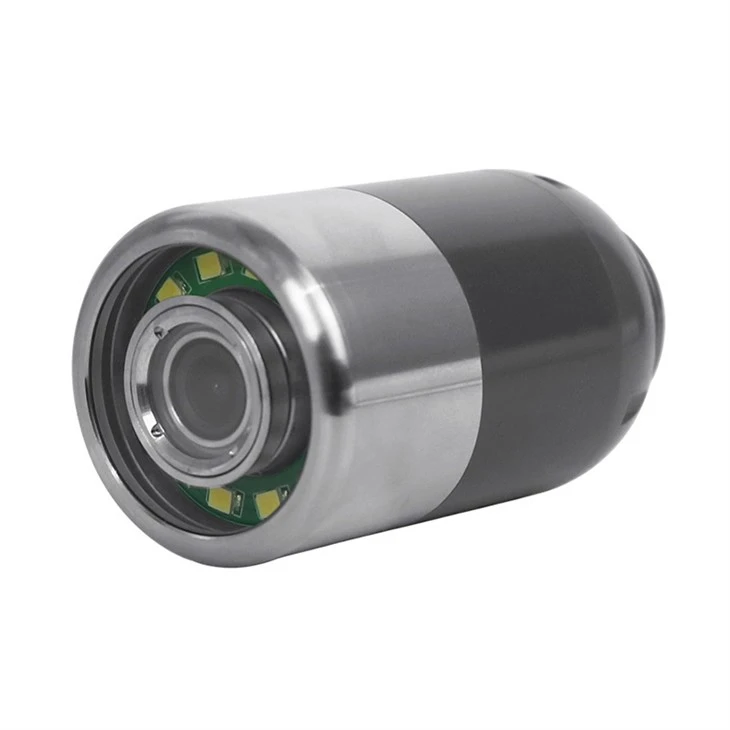
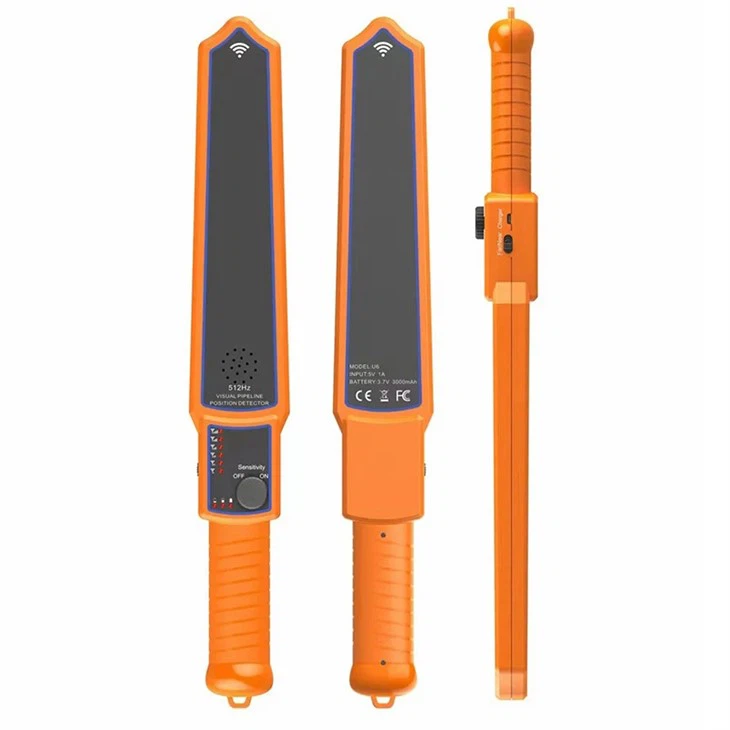
For some electrical spare parts, such as Pipe Camera Locator, proper grounding is essential. Make sure that the equipment is properly grounded according to the manufacturer's instructions. This helps protect against electrical surges and reduces the risk of electrical fires.
Mechanical Safety
In mechanical systems, there are several safety precautions to keep in mind. When removing a part, be careful of moving parts and sharp edges. Use appropriate safety gear, such as safety glasses and gloves, to protect yourself from flying debris and cuts.
If the part is heavy, use proper lifting techniques or mechanical lifting devices. Lifting heavy objects incorrectly can lead to back injuries, strains, or even fractures. For example, when replacing a large 55mm Underwater Camera Head, make sure you have the necessary equipment to lift it safely.
When disassembling and reassembling mechanical parts, pay attention to the order and orientation of the components. Incorrectly reassembling parts can lead to malfunctions, which may pose safety risks. Keep track of all the small parts, such as screws and washers, to ensure that nothing is lost during the replacement process.
Chemical and Environmental Safety
Some spare parts may be associated with chemicals or environmental hazards. For example, if you're replacing a battery, it may contain toxic chemicals such as lead or lithium. Make sure to handle batteries according to the proper disposal and safety procedures.
In an industrial environment, there may be chemicals or fumes present. If the replacement process involves exposure to these substances, wear appropriate personal protective equipment (PPE), such as respirators and chemical - resistant gloves. Ensure that the work area is well - ventilated to prevent the buildup of harmful gases.
Post - replacement Checks
After replacing the spare part, it's important to conduct a final safety check. Reassemble any covers or guards that were removed during the replacement process. Make sure that all bolts are tightened properly and that there are no loose parts.
Restore the power supply (if applicable) and test the equipment. Check for any abnormal noises, vibrations, or other signs of malfunction. If the equipment doesn't operate correctly, shut it down immediately and re - check your work.
Importance of Training
One of the most effective ways to ensure safety when replacing spare parts is through proper training. As a spare parts supplier, I highly recommend that technicians and DIYers receive training on the specific equipment and parts they are working with. Training can cover topics such as safety procedures, tool usage, and equipment operation.
Many manufacturers offer training programs for their products. These programs can provide in - depth knowledge about the equipment and help ensure that the replacement process is carried out safely and correctly. Additionally, online resources and industry courses can also be valuable sources of information.
Quality of Spare Parts
Another factor that affects safety during replacement is the quality of the spare parts. As a supplier, I always emphasize the importance of using high - quality parts. Inferior parts may not fit properly, may be prone to failure, and can pose significant safety risks.
When purchasing spare parts, look for parts that meet industry standards and are manufactured by reputable companies. For example, a Push Rod Sewer Camera Head from a reliable manufacturer is more likely to function correctly and safely.
Conclusion
Replacing spare parts is a common task, but it should never be taken lightly. By following these safety precautions, you can minimize the risk of accidents and ensure a successful replacement. As a spare parts supplier, I'm committed to providing high - quality parts and supporting our customers in their replacement needs.
If you're in need of spare parts or have any questions about the replacement process, I encourage you to reach out to us. We're here to help you make the right choices and ensure that your replacement is carried out safely and efficiently.
References
- Manufacturer's user manuals for various equipment and spare parts.
- Occupational Safety and Health Administration (OSHA) guidelines for workplace safety.
- Industry - specific safety standards and best practices.


