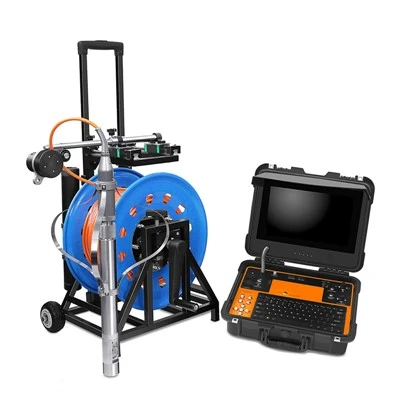
Hey there! As a supplier of Pipe Camera Locators, I often get asked about the resolution of the cameras in these nifty devices. So, let's dive right in and chat about what camera resolution in a Pipe Camera Locator really means.
First off, resolution is all about the level of detail a camera can capture. In the context of a Pipe Camera Locator, it's super important because it determines how clearly we can see what's going on inside those pipes. You know, whether it's to spot cracks, blockages, or any other issues.
Think of resolution like the sharpness of a picture. The higher the resolution, the more detailed the image. For Pipe Camera Locators, we usually talk about resolution in terms of pixels. Pixels are those tiny little dots that make up an image. The more pixels a camera has, the better it can capture fine details.
Let's say you've got a Pipe Camera Locator with a low - resolution camera. When you send it down a pipe, the images it sends back might look a bit blurry. You might see a general shape of a blockage, but you won't be able to tell exactly what it is—whether it's a clump of dirt, a broken piece of pipe, or something else.
On the other hand, a high - resolution camera in a Pipe Camera Locator can give you crystal - clear images. You can see the texture of the pipe walls, identify small cracks that might be starting to form, and get a really good idea of what needs to be fixed.
Now, there are different types of resolutions you'll come across. One common measure is the number of horizontal and vertical pixels. For example, a camera might have a resolution of 1920x1080 pixels. This is known as Full HD resolution. With this kind of resolution, the images are sharp and detailed enough to help you make accurate assessments of the pipe's condition.
But it's not just about having a high number of pixels. The quality of the sensors in the camera also plays a big role. A high - end sensor can capture more light and color accurately, even in the dimly lit environment of a pipe. This means that even if the resolution is the same, a camera with a better sensor will produce better - looking images.
When choosing a Pipe Camera Locator, you need to consider your specific needs. If you're mainly dealing with large pipes and looking for major blockages, a medium - resolution camera might be sufficient. But if you're working on projects where you need to detect small defects or work in complex pipe systems, a high - resolution camera is a must.
Another factor to think about is the frame rate. The frame rate is how many images the camera can capture per second. A higher frame rate means smoother video playback. In a Pipe Camera Locator, a good frame rate is important because it allows you to see the movement inside the pipe clearly. If the frame rate is too low, the video might look choppy, and you could miss important details.
Now, let's talk about some of the spare parts that can enhance the performance of your Pipe Camera Locator. We offer some great skids for different camera heads. For example, the 50mm PT Camera Head Skid is designed to protect the camera head and ensure smooth movement inside the pipe. It's made of high - quality materials that can withstand the harsh conditions in pipes.
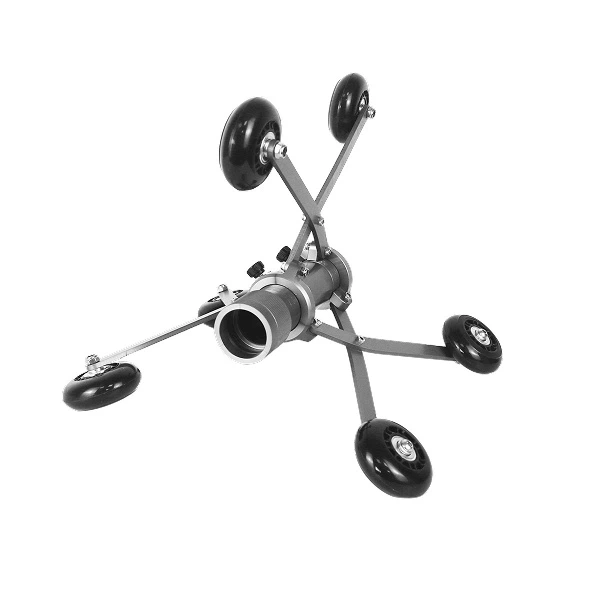
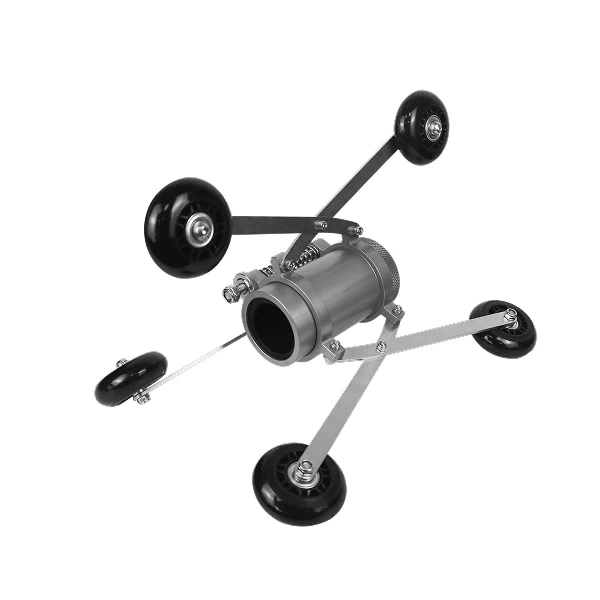
The 33mm Camera Head Stainless Steel Skid is another great option. The stainless - steel construction makes it durable and resistant to corrosion. This is especially important when working in pipes that carry water or other liquids.
And if you've got a camera with a 45mm head, the 45mm Camera Head Skid is the perfect fit. It helps to keep the camera in the right position and provides stability as it moves through the pipe.
When you're using a Pipe Camera Locator, it's also important to consider the lighting. Since pipes are usually dark, good lighting is essential for getting clear images. Some Pipe Camera Locators come with built - in LED lights. The brightness and distribution of these lights can affect the quality of the images. You want lights that can evenly illuminate the area around the camera so that there are no dark spots in the images.
The resolution of the camera in a Pipe Camera Locator is a crucial factor, but it's just one piece of the puzzle. You also need to think about the sensor quality, frame rate, spare parts, and lighting. By choosing the right combination of these elements, you can ensure that you get the most accurate and detailed information about the condition of your pipes.
If you're in the market for a Pipe Camera Locator or need to upgrade your existing one, I'd love to have a chat with you. Whether you're a professional plumber, a maintenance worker, or someone who just wants to check out their home pipes, we can find the right solution for you. Don't hesitate to reach out and start a conversation about your specific needs. We're here to help you make the best decision for your pipe - inspection projects.
References
- General knowledge of pipe camera technology in the industry
- Manufacturer specifications of Pipe Camera Locators and related spare parts