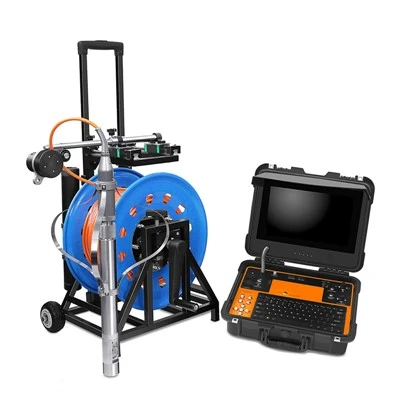
What is the weight of a drain camera? That's a question I've been asked a bunch of times as a supplier of drain cameras. And it's not as straightforward as you might think. In this blog, I'll break down what affects the weight of these nifty tools and why it matters.
First off, let's talk about why weight is even a big deal. If you're a plumber or someone who regularly uses drain cameras, you know that you'll be lugging this equipment around job sites. A heavy camera can be a real pain in the neck (literally and figuratively). It can make it harder to maneuver, especially in tight spaces. You don't want to be struggling with a bulky, heavy camera when you're trying to inspect a drain deep under a building or in a cramped crawl - space.
Now, what factors contribute to the weight of a drain camera?
Camera Head
The camera head is the business end of the drain camera. It's what actually goes into the drain to capture all those important images. The weight of the camera head can vary based on its size and the features it has. For example, a camera head with a high - resolution lens and built - in lights is likely to be heavier than a basic model. Some of the more advanced camera heads come with additional sensors, like ones that can detect the depth or the material of the pipe. These extra components add to the overall weight.
Cable
The cable is another major contributor to the weight. Drain camera cables can range in length from a few meters to over a hundred meters. Naturally, the longer the cable, the heavier it will be. The material of the cable also plays a role. Cables made from more durable materials, like reinforced nylon or metal - braided sheaths, tend to be heavier than those made from lighter plastics. But the heavier cables are often more resistant to wear and tear, which is crucial when they're being dragged through rough pipes.
Control Unit
The control unit is where you view the images captured by the camera head and adjust its settings. It usually has a screen, buttons, and some internal electronics. Larger control units with bigger screens and more advanced features are heavier. For instance, a control unit with a touch - screen interface and the ability to record and store videos will weigh more than a simple, basic unit.
Let's take a look at some common types of drain cameras and their typical weights.


Drain Inspection Cameras
Drain Inspection Cameras are some of the most commonly used ones. For a basic, entry - level model with a short cable (say, around 10 meters) and a simple control unit, the total weight might be around 2 - 3 kilograms. These are great for small - scale jobs, like checking the drains in a single - family home.
On the other hand, professional - grade drain inspection cameras with long cables (up to 50 meters or more) and advanced control units can weigh anywhere from 5 to 10 kilograms. These are designed for more extensive inspections, like in commercial buildings or large sewer systems.
Drain Pipe Inspection Camera
Drain Pipe Inspection Camera are specifically designed to get a detailed look inside pipes. The weight of these cameras can vary depending on the pipe size they're intended for. Cameras for smaller pipes, like those in residential plumbing, are generally lighter. A small - diameter drain pipe inspection camera with a 20 - meter cable and a standard control unit might weigh around 3 - 4 kilograms.
For larger pipes, like those in industrial settings, the cameras need to be more robust. They often have larger camera heads and longer, thicker cables. These heavy - duty drain pipe inspection cameras can weigh 8 - 12 kilograms or more.
Drain Sewer Inspection Camera
Drain Sewer Inspection Camera are used for inspecting sewer systems, which can be quite extensive. These cameras usually have long cables, often over 50 meters, to reach deep into the sewer network. The camera heads are also built to withstand the harsh conditions in sewers, like high humidity and the presence of chemicals.
A typical drain sewer inspection camera with a 60 - meter cable and a high - end control unit can weigh around 10 - 15 kilograms. This weight allows for the durability and functionality needed to handle the tough job of sewer inspections.
So, when you're choosing a drain camera, you need to consider your specific needs. If you're mainly doing small, residential jobs, a lighter camera might be the way to go. It'll be easier to carry around and maneuver in tight spaces. But if you're working on large - scale commercial or industrial projects, you might need a heavier, more robust camera that can handle the long distances and tough conditions.
If you're in the market for a drain camera, I'd love to have a chat with you. We offer a wide range of drain cameras to suit different needs and budgets. Whether you're a professional plumber or a DIY enthusiast, we can help you find the perfect camera for your job. Just reach out, and we can start discussing your requirements and options.
References
- Plumbing Industry Handbook: Insights on Tools and Equipment
- Drain Camera Manufacturer's Product Specifications