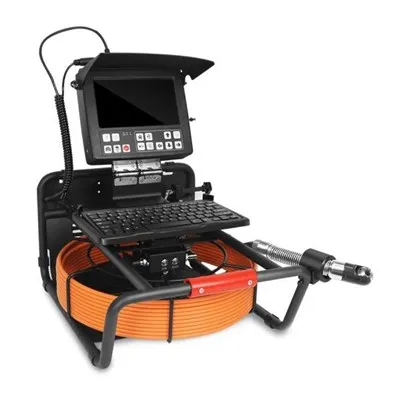
Hey there! As a supplier of borescope cameras, I often get asked whether these nifty devices can be used for water treatment plant inspections. Well, the short answer is a resounding yes! In this blog post, I'll dive into the details of how borescope cameras can revolutionize the inspection process in water treatment plants.
Understanding Borescope Cameras
First things first, let's talk a bit about what borescope cameras are. A Borescope Camera is a flexible or rigid tube with a camera at the end. It's designed to be inserted into tight spaces, allowing you to see what's going on inside pipes, tanks, and other hard-to-reach areas. These cameras come in various types, including industrial-grade ones like the Industrial Endoscope Camera, which are built to withstand tough environments.
Why Water Treatment Plants Need Inspections
Water treatment plants are crucial for ensuring that the water we drink is safe and clean. These facilities have a complex network of pipes, tanks, and equipment that need to be regularly inspected to prevent leaks, blockages, and other issues. If a problem goes undetected, it can lead to water contamination, equipment failure, and costly repairs. That's where borescope cameras come in handy.


How Borescope Cameras Help in Water Treatment Plant Inspections
1. Visual Inspection of Pipes
One of the primary uses of borescope cameras in water treatment plants is to inspect pipes. Over time, pipes can develop cracks, corrosion, and blockages due to the constant flow of water and chemicals. With a borescope camera, you can easily insert the camera into the pipe and get a clear view of its interior. This allows you to identify any issues early on and take appropriate action. For example, if you notice a small crack in a pipe, you can repair it before it turns into a major leak.
2. Tank Inspections
Water treatment plants have large tanks that store water, chemicals, and other substances. These tanks need to be inspected regularly to ensure that they are in good condition. A borescope camera can be used to inspect the inside of the tanks, looking for signs of corrosion, leaks, or damage. You can also check the level of sediment and debris in the tank, which can affect the efficiency of the treatment process.
3. Equipment Inspection
In addition to pipes and tanks, water treatment plants have a variety of equipment, such as pumps, valves, and filters. These components need to be inspected regularly to ensure that they are functioning properly. A borescope camera can be used to inspect the internal parts of the equipment, looking for signs of wear and tear, damage, or blockages. This can help you identify potential problems before they cause a breakdown.
4. Documentation and Reporting
Another advantage of using borescope cameras in water treatment plant inspections is that they allow you to document the inspection process. Most borescope cameras come with a recording function, which means you can capture images and videos of the inspection. This documentation can be used for reporting purposes, as well as for future reference. For example, if you need to prove to a regulatory agency that you have conducted a proper inspection, you can provide them with the images and videos taken by the borescope camera.
Benefits of Using Borescope Cameras in Water Treatment Plant Inspections
1. Cost-Effective
Using borescope cameras for water treatment plant inspections is a cost-effective solution. Instead of having to disassemble pipes and equipment to inspect them, you can simply insert the camera and get a clear view of the interior. This saves time and money on labor and repairs.
2. Non-Destructive
Borescope cameras are non-destructive inspection tools, which means they don't cause any damage to the pipes, tanks, or equipment being inspected. This is important because it allows you to inspect the facilities without disrupting the normal operation of the water treatment plant.
3. Accurate and Reliable
Borescope cameras provide accurate and reliable inspection results. The high-resolution images and videos taken by the camera allow you to see even the smallest details, making it easier to identify potential problems. This helps you make informed decisions about maintenance and repairs.
4. Improved Safety
Inspecting water treatment plants can be a dangerous job, especially when working in confined spaces or around hazardous chemicals. Borescope cameras allow you to perform inspections remotely, reducing the risk of injury to workers.
Choosing the Right Borescope Camera for Water Treatment Plant Inspections
When choosing a borescope camera for water treatment plant inspections, there are several factors to consider. Here are some tips to help you make the right choice:
1. Camera Quality
Look for a borescope camera with high-resolution imaging capabilities. This will ensure that you get clear and detailed images and videos of the inspection area.
2. Flexibility
Choose a camera with a flexible tube if you need to inspect pipes and equipment with complex shapes or tight bends. A rigid tube may be more suitable for straight pipes and larger openings.
3. Lighting
Good lighting is essential for getting clear images inside pipes and tanks. Look for a borescope camera with built-in lighting or the ability to attach an external light source.
4. Durability
Water treatment plants are harsh environments, so you need a borescope camera that is built to last. Look for a camera that is waterproof, dustproof, and resistant to chemicals.
5. Recording and Storage
Make sure the borescope camera has a recording function and sufficient storage capacity. This will allow you to capture and save the inspection results for future reference.
Conclusion
In conclusion, borescope cameras are a valuable tool for water treatment plant inspections. They offer a cost-effective, non-destructive, and accurate way to inspect pipes, tanks, and equipment, helping to prevent problems and ensure the safe and efficient operation of the facility. If you're in the water treatment industry and are looking for a reliable way to conduct inspections, I highly recommend considering a borescope camera.
If you're interested in learning more about our Borescope Camera Inspection services or purchasing a borescope camera for your water treatment plant, please don't hesitate to get in touch. We'd be happy to discuss your needs and provide you with a customized solution.
References
- "Inspection Techniques for Water Treatment Plants." Water Treatment Journal, 2020.
- "The Use of Borescope Cameras in Industrial Inspections." Industrial Inspection Magazine, 2019.