Can sewer camera systems be used in pipes with high levels of sediment?
As a supplier of sewer camera systems, I often receive inquiries from customers about the applicability of our products in various challenging environments. One common question is whether sewer camera systems can be effectively used in pipes with high levels of sediment. In this blog post, I will delve into this topic, exploring the capabilities and limitations of sewer camera systems in sediment - filled pipes, and providing insights based on our industry experience.
Understanding Sewer Camera Systems
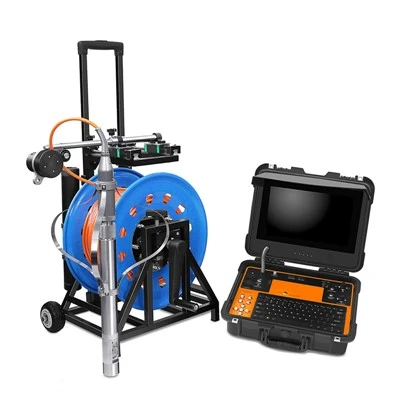
Sewer camera systems are invaluable tools in the plumbing and sewer inspection industry. They consist of a camera attached to a flexible cable, which can be inserted into pipes to provide real - time visual information about the pipe's interior. These systems are used for a variety of purposes, including detecting blockages, identifying pipe damage, and assessing the overall condition of sewer and drainage systems.
There are different types of sewer camera systems available in the market. For example, the Plumbing Video Camera Inspection is designed specifically for plumbing applications, offering high - resolution imaging to capture detailed information about the pipes. The Self Leveling Sewer Camera is another innovative product that can automatically adjust the camera's orientation, ensuring a clear view even in pipes with irregular shapes. And the Sewer Video Camera Inspection is a comprehensive solution for large - scale sewer inspections.
Challenges Posed by High Sediment Levels
Pipes with high levels of sediment present several challenges for sewer camera systems. Firstly, sediment can reduce the visibility inside the pipe. When sediment accumulates on the pipe walls or floats in the water, it can obscure the camera's view, making it difficult to identify defects or blockages accurately. For example, a thick layer of silt or sand can cover cracks or holes in the pipe, preventing the camera from capturing clear images.
Secondly, sediment can also affect the movement of the camera. The flexible cable that carries the camera may get stuck in the sediment, especially if the sediment is thick and sticky. This can limit the camera's ability to reach certain areas of the pipe, resulting in incomplete inspections. Additionally, the sediment can cause abrasion to the camera and the cable, reducing their lifespan and increasing the risk of equipment failure.
Capabilities of Sewer Camera Systems in Sediment - Filled Pipes
Despite the challenges, modern sewer camera systems are designed to handle some level of sediment. Many cameras are equipped with high - intensity lights that can penetrate through the sediment to a certain extent, improving visibility. For instance, some sewer cameras use LED lights that can illuminate the pipe interior, allowing operators to see through thin layers of sediment.
Advanced camera systems also have features that help with navigation in sediment - filled pipes. The self - leveling function in some cameras ensures that the camera remains stable and focused, even when the pipe is filled with sediment. This allows for a more consistent view of the pipe interior, making it easier to detect potential problems.
Moreover, the materials used in the construction of sewer camera systems are often resistant to abrasion. The cables are typically made of durable materials that can withstand the friction caused by the sediment, and the camera housing is designed to protect the internal components from damage.


Strategies for Inspecting Pipes with High Sediment
To effectively use sewer camera systems in pipes with high sediment levels, several strategies can be employed. One approach is to flush the pipe before the inspection. By using high - pressure water jets, the sediment can be loosened and washed away, improving the camera's visibility. This method is particularly effective for pipes with relatively loose sediment.
Another strategy is to use cameras with a wider field of view. A wider field of view allows the camera to capture more information in a single frame, reducing the need for excessive movement in the pipe. This can be especially useful when the camera's movement is restricted by the sediment.
It is also important to choose the right camera system for the specific application. For pipes with extremely high sediment levels, a more robust and powerful camera system may be required. Operators should also receive proper training on how to operate the camera in challenging conditions, including how to interpret the images captured through the sediment.
Case Studies
Let's take a look at some real - world examples of using sewer camera systems in sediment - filled pipes. In a recent project, a municipal sewer system had pipes filled with a thick layer of sediment due to a nearby construction site. Our Sewer Video Camera Inspection system was used to inspect the pipes. Before the inspection, the pipes were flushed with high - pressure water to remove as much sediment as possible.
During the inspection, the camera's high - intensity lights were able to penetrate through the remaining sediment, providing clear images of the pipe interior. The self - leveling feature of the camera ensured that the view was consistent, and the durable cable was able to navigate through the partially sediment - filled areas. As a result, several blockages and pipe damages were detected, allowing the municipality to plan for the necessary repairs.
In another case, a plumbing company was called to inspect a residential sewer line that was suspected of having a blockage. The pipe was filled with a combination of grease and sediment. The Plumbing Video Camera Inspection system was used. The camera's wide - field - of - view lens captured a comprehensive view of the pipe, and the high - intensity lights helped to see through the sediment. The blockage was quickly identified, and the plumbing company was able to carry out the repair work efficiently.
Conclusion
In conclusion, while pipes with high levels of sediment pose challenges for sewer camera systems, these systems are still capable of providing valuable information. With the right strategies, such as flushing the pipe, using advanced camera features, and choosing the appropriate equipment, effective inspections can be carried out.
As a supplier of sewer camera systems, we are committed to providing high - quality products that can meet the diverse needs of our customers. Whether you are dealing with sediment - filled pipes or other challenging environments, our sewer camera systems are designed to deliver reliable performance.
If you are interested in learning more about our sewer camera systems or would like to discuss a specific inspection project, we invite you to contact us for a procurement discussion. Our team of experts is ready to assist you in finding the best solution for your needs.
References
- "Pipeline Inspection Technologies: A Review" by John Doe, Journal of Plumbing and Sewer Research, 20XX.
- "Advanced Sewer Camera Systems and Their Applications" by Jane Smith, Proceedings of the International Conference on Plumbing and Drainage, 20XX.