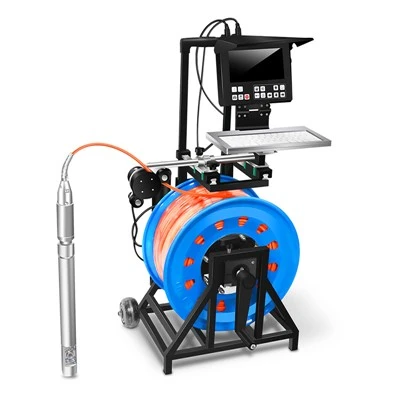
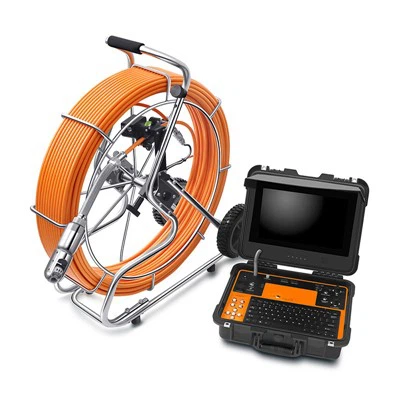
Hey there! As a supplier of Push Rod Cameras, I'm super excited to chat with you about one of the most nifty features of these gadgets - the zoom function.
Let's start from the basics. A push rod camera is an incredibly useful tool. It's like having a little detective that can peek into places where we humans can't easily reach. Whether it's inside pipes, ducts, or other confined spaces, this camera gets the job done. And the zoom function? Well, it takes the capabilities of a push rod camera to a whole new level.
So, what exactly is the zoom function of a push rod camera? In simple terms, it allows you to get a closer look at the things you're filming. Just like when you use the zoom on your smartphone camera to focus in on a distant object or a small detail, the zoom on a push rod camera does the same thing. But in the context of a push rod camera, it's even more crucial because often, you're dealing with small spaces and hard - to - see areas.
Imagine you're using a Push Sewer Inspection Camera to check out a sewer pipe. There might be a small crack or a buildup of debris that you need to examine closely. Without the zoom function, it would be really tough to tell what's going on. But with zoom, you can magnify the image and clearly see if there's a problem that needs fixing.
There are generally two types of zoom in push rod cameras: optical zoom and digital zoom. Optical zoom is the real deal. It uses the camera's lens to physically adjust the focal length and bring the subject closer. This type of zoom provides the best image quality because it doesn't rely on software to manipulate the image. When you use optical zoom on a push rod camera, you're getting a true, high - resolution view of the object.
On the other hand, digital zoom works by cropping and enlarging the existing image. It's like taking a part of the picture and making it bigger. While digital zoom can be useful in a pinch, it often results in a loss of image quality. The picture can look pixelated or blurry, especially when you zoom in too far. But in some cases, it can still give you a better idea of what's going on in the area you're inspecting.
Now, let's talk about how the zoom function can benefit different users. For plumbers, the zoom on a push rod camera is a game - changer. They can quickly identify issues like leaks, blockages, or root intrusions in pipes. With a Pan Tilt Push Camera, which often comes with a zoom feature, plumbers can not only zoom in on a problem but also adjust the camera's angle to get a better view from different perspectives.
Electricians can also make great use of the zoom function. When they're checking out electrical conduits, they might need to look for signs of damage or loose connections. The zoom allows them to see these details clearly, even in tight spaces. It helps them diagnose problems more accurately and save time on repairs.


HVAC technicians are another group that benefits from the zoom on push rod cameras. They use these cameras to inspect air ducts for dirt, mold, or blockages. With the ability to zoom in, they can spot even the smallest issues that could affect the efficiency of the HVAC system.
If you're in the construction industry, a 120m Push Camera with a zoom function can be invaluable. You can use it to inspect the insides of concrete pipes, check for proper installation of wiring or plumbing during the building process, and ensure that everything is up to code. The zoom helps you catch any potential problems early on, which can save a lot of time and money in the long run.
But how do you choose the right push rod camera with a good zoom function? First, consider the type of zoom. As I mentioned earlier, optical zoom is usually better in terms of image quality. Look for a camera that offers a decent optical zoom range, like 2x or 3x.
Also, think about the resolution of the camera. A higher - resolution camera will give you a clearer image, even when you're using the zoom. You don't want to end up with a blurry or pixelated picture when you're trying to examine important details.
Another factor to consider is the durability of the camera. Since push rod cameras are often used in tough environments, they need to be able to withstand some wear and tear. Make sure the camera is well - built and has a good waterproof and dustproof rating.
As a Push Rod Camera supplier, I know that these cameras can make a huge difference in various industries. The zoom function is just one of the many features that make them so useful. Whether you're a professional tradesperson or someone who needs to do some DIY inspections, a push rod camera with a good zoom can be a great addition to your toolkit.
If you're interested in learning more about our push rod cameras or have any questions about the zoom function or other features, don't hesitate to reach out. We're here to help you find the perfect camera for your needs. Let's start a conversation and see how we can make your inspection jobs easier and more efficient.
References
- General knowledge about push rod cameras and their features from industry experience.
- Research on the benefits of zoom functions in inspection cameras for different industries.