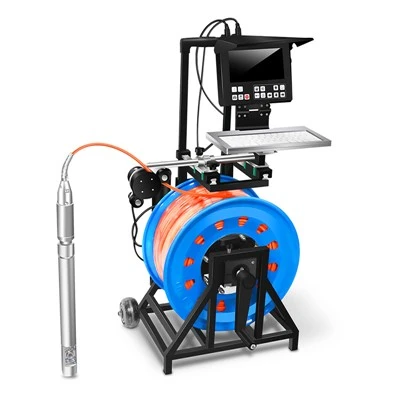
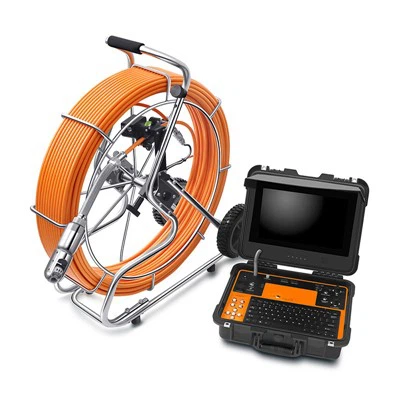
Hey there! As a supplier of 100 ft sewer cameras, I often get asked about the maximum speed at which the cable of these cameras can be pulled. It's a crucial question, especially for those in the plumbing and sewer inspection business. Let's dive into this topic and explore the ins and outs of cable pulling speed for our 100 ft sewer cameras.
First off, what's the big deal about the cable pulling speed? Well, it affects how efficiently you can inspect sewer lines. If you pull the cable too fast, you might miss important details like cracks, blockages, or other issues in the pipes. On the other hand, pulling it too slowly can eat up a lot of time, making your inspection process less productive.
The maximum speed at which the cable of a 100 ft sewer camera can be pulled depends on several factors. One of the main factors is the type of camera and its features. For instance, our Plumbing Camera is designed with high - resolution imaging. To ensure that the camera captures clear and detailed images of the sewer line, the cable pulling speed needs to be within a certain range. A faster speed might cause the images to blur, which defeats the purpose of using a high - quality camera.
Another important factor is the condition of the sewer line itself. If the sewer line has a lot of bends, curves, or rough surfaces, the cable needs to be pulled more slowly. This is because a high - speed pull in a difficult sewer line can cause the camera to get stuck or damaged. The camera needs time to navigate through these obstacles safely. For example, if there are tree roots invading the sewer line, they can create tight spots that require a slower cable pull to avoid getting the camera trapped.
The quality of the cable also plays a significant role. Our 100 ft sewer camera cables are made of durable materials that can withstand a certain amount of stress. However, if you pull the cable too fast, it can cause excessive wear and tear, reducing its lifespan. A high - speed pull can also lead to kinks in the cable, which can be a real headache to fix and might even render the cable unusable.
In general, for a relatively straight and smooth sewer line with our Sewer Inspection Cameras, a cable pulling speed of around 3 - 5 feet per second is considered optimal. This speed allows the camera to capture clear images while still maintaining a reasonable inspection time. But again, this is just a rough estimate. You need to adjust the speed based on the specific situation of each sewer line.


Our Self Leveling Sewer Camera is a great option for more accurate inspections. The self - leveling feature helps to keep the camera in the right position, but it also benefits from a proper cable pulling speed. If you're using this type of camera, a slightly slower speed, say around 2 - 4 feet per second, can be ideal. This gives the self - leveling mechanism enough time to adjust to the changes in the sewer line's orientation and ensures that you get a comprehensive view of the pipe.
It's also important to note that different users might have different preferences and requirements. Some plumbers might be more experienced and can handle a slightly faster cable pull while still getting good results. Others, especially those new to using sewer cameras, might prefer a slower speed to gain more confidence in the inspection process.
To determine the maximum speed for your specific situation, it's a good idea to do some test runs in a similar sewer line. Start with a slow speed and gradually increase it while monitoring the quality of the images and the camera's performance. This way, you can find the sweet spot that works best for you.
In addition to the factors mentioned above, the camera's lighting system can also be affected by the cable pulling speed. A fast - moving camera might not allow the lighting to properly illuminate the sewer line, resulting in dark or unevenly lit images. Our cameras are equipped with powerful LED lights, but they still need a suitable cable pulling speed to work effectively.
If you're thinking about purchasing a 100 ft sewer camera, keep in mind that the cable pulling speed is just one aspect to consider. You also need to look at the camera's overall performance, such as its battery life, ease of use, and compatibility with other inspection tools.
We're here to help you make the most out of your sewer camera. Whether you're a professional plumber or someone doing DIY sewer inspections, our team can provide you with all the information you need. If you have any questions about the cable pulling speed or any other features of our 100 ft sewer cameras, don't hesitate to reach out. We can also offer training on how to use the camera effectively, including the best practices for cable pulling.
If you're interested in purchasing our 100 ft sewer cameras, we're more than happy to discuss your needs and provide you with a quote. We believe in offering high - quality products at competitive prices, and our customer service is top - notch. Contact us today to start a conversation about how our sewer cameras can improve your inspection process.
In conclusion, the maximum speed at which the cable of a 100 ft sewer camera can be pulled is not a one - size - fits - all answer. It depends on multiple factors such as the camera type, sewer line condition, cable quality, and user experience. By taking these factors into account and doing some testing, you can find the optimal speed for your sewer inspections.
References:
- General knowledge of sewer camera technology and plumbing industry standards.
- In - house research and development data on 100 ft sewer camera performance.