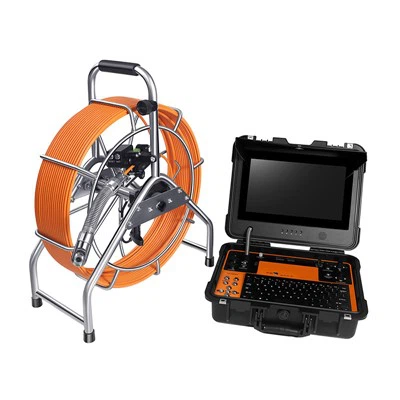
Pipe inspection is a crucial aspect of maintaining the integrity and functionality of various pipeline systems, including those in industrial facilities, municipal infrastructure, and residential buildings. During the inspection process, handling pipe insulation is a significant challenge that can impact the accuracy of the inspection and the overall condition of the pipes. As a Pipe Robot supplier, we understand the importance of effectively managing pipe insulation during inspection. In this blog, we will explore how our Pipe Robot addresses this challenge and ensures a thorough and efficient inspection.
Understanding the Role of Pipe Insulation
Pipe insulation serves several important functions. It helps to maintain the temperature of the fluid flowing through the pipes, reducing heat loss or gain. This is particularly important in industrial processes where precise temperature control is required. Insulation also protects the pipes from external elements, such as moisture and corrosion, which can significantly reduce the lifespan of the pipes. Additionally, it can reduce noise transmission and improve energy efficiency.
However, when it comes to pipe inspection, insulation can pose a problem. It can hide potential defects, such as cracks, leaks, or corrosion, from the inspection equipment. Removing the insulation for inspection can be time - consuming, costly, and may damage the insulation, requiring replacement. Therefore, a Pipe Robot needs to be able to inspect the pipes without having to remove the insulation completely.
Our Pipe Robot's Capabilities
Our Pipe Robot is designed with advanced technology to handle pipe insulation during inspection. It is equipped with a variety of sensors and imaging devices that can penetrate through the insulation to detect potential issues.
Non - Destructive Testing Sensors
One of the key features of our Pipe Robot is its non - destructive testing (NDT) sensors. These sensors use techniques such as ultrasonic testing, electromagnetic testing, and infrared thermography to detect flaws in the pipes without damaging the insulation.
Ultrasonic testing works by sending high - frequency sound waves into the pipe. When these waves encounter a defect, such as a crack or a void, they are reflected back to the sensor. By analyzing the reflected waves, the robot can determine the location and size of the defect. This method is highly effective in detecting internal flaws in the pipes, even when they are covered by insulation.
Electromagnetic testing, on the other hand, uses magnetic fields to detect changes in the electrical conductivity of the pipe. Any defects in the pipe, such as corrosion or cracks, will cause a change in the magnetic field, which can be detected by the sensor. This technique is particularly useful for detecting surface - breaking defects.
Infrared thermography is another powerful tool used by our Pipe Robot. It measures the temperature distribution on the surface of the pipe. Any areas of abnormal temperature can indicate a potential problem, such as a leak or a blockage. This method is non - invasive and can be used to detect issues through the insulation.
High - Resolution Imaging
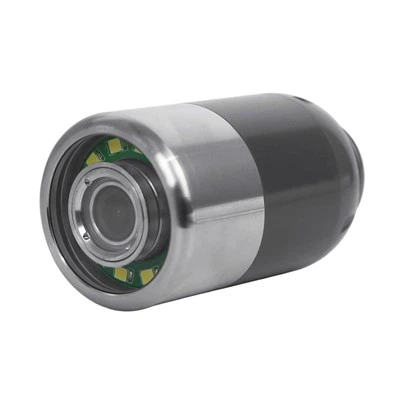
Our Pipe Robot is also equipped with a Crawler Inspection Camera that provides high - resolution images of the pipe interior. The camera can be adjusted to different lighting conditions and angles, allowing for a clear view of the pipes. Even when the pipes are insulated, the camera can capture images of the pipe surface and any visible defects.
The high - resolution images can be transmitted in real - time to a control station, where operators can analyze the data and make informed decisions. This allows for immediate identification of any issues and the development of appropriate repair strategies.
Maneuverability in Insulated Pipes
The design of our Pipe Robot ensures excellent maneuverability in pipes with insulation. It is equipped with flexible tracks or wheels that can adapt to different pipe diameters and shapes. The robot can navigate through bends, elbows, and other obstacles in the pipes, even when the insulation is present.
This maneuverability is crucial for a comprehensive inspection. The robot can reach all parts of the pipe, ensuring that no area is left uninspected. It can also move at a controlled speed, allowing for a detailed inspection of the pipe surface.
Benefits of Our Pipe Robot in Handling Pipe Insulation
Time and Cost Savings
By using our Pipe Robot to inspect pipes with insulation, significant time and cost savings can be achieved. There is no need to remove the insulation completely, which can be a labor - intensive and expensive process. The robot can quickly and accurately detect defects through the insulation, reducing the time required for inspection and minimizing disruption to the normal operation of the pipeline system.
Improved Inspection Accuracy
The advanced sensors and imaging devices on our Pipe Robot provide a high level of accuracy in detecting defects. Even small cracks or areas of corrosion can be identified, allowing for early intervention and prevention of more serious problems. This helps to extend the lifespan of the pipes and reduce the risk of costly repairs or replacements.
Safety
Inspecting pipes with insulation can be a dangerous task, especially in industrial or municipal settings. Our Pipe Robot eliminates the need for human workers to enter the pipes, reducing the risk of accidents and exposure to hazardous substances. The robot can operate in harsh environments, such as high - temperature or high - pressure pipes, without putting human lives at risk.
Applications in Different Industries
Industrial Facilities
In industrial facilities, pipes are often insulated to maintain the temperature of the fluids being transported. Our Pipe Robot can be used to inspect these pipes without disrupting the production process. It can detect potential issues in pipes carrying chemicals, steam, or other industrial fluids, ensuring the safety and efficiency of the operations.
Municipal Infrastructure
Municipal pipelines, such as Storm Sewer Camera systems, also require regular inspection. Insulation in these pipes can protect them from the elements and prevent freezing. Our Pipe Robot can be used to inspect these pipes, detecting blockages, leaks, or structural damage without the need to remove the insulation.
Residential Buildings
In residential buildings, pipes are often insulated to improve energy efficiency and reduce noise. Our Pipe Robot can be used to inspect these pipes, ensuring that they are in good condition and free from leaks or other defects. This can help to prevent water damage and improve the overall comfort of the building.


Conclusion
Handling pipe insulation during inspection is a complex task, but our Pipe Robot is up to the challenge. With its advanced sensors, high - resolution imaging, and excellent maneuverability, it can effectively inspect pipes with insulation, providing accurate and reliable results. Whether in industrial facilities, municipal infrastructure, or residential buildings, our Pipe Robot offers a cost - effective and safe solution for pipe inspection.
If you are interested in learning more about our Pipe Robot and how it can benefit your pipe inspection needs, we encourage you to contact us for a detailed discussion. Our team of experts is ready to assist you in finding the best solution for your specific requirements.
References
- ASME Boiler and Pressure Vessel Code, Section V - Nondestructive Examination
- ASTM International standards for non - destructive testing
- IEEE standards for robotic inspection systems