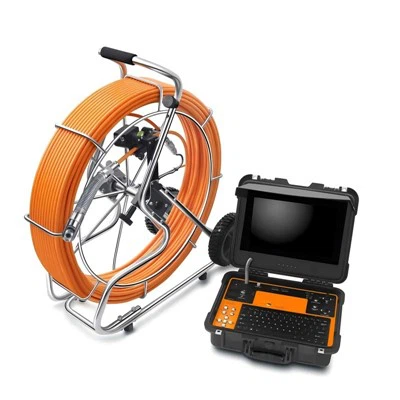
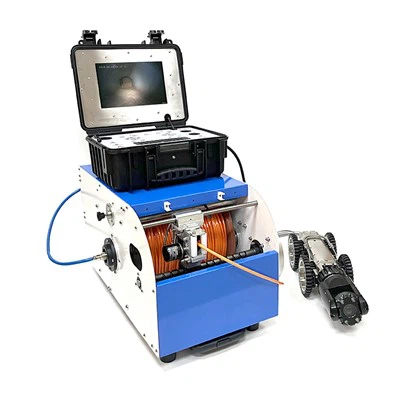
As a supplier of Pipe Camera Locators, I am delighted to share with you how to effectively use the measurement function of this remarkable tool. Pipe Camera Locators are essential devices in the plumbing and construction industries, enabling professionals to inspect and measure pipes with precision. In this blog post, I will guide you through the process of using the measurement function of a Pipe Camera Locator, from understanding the basics to practical applications.
Understanding the Measurement Function
Before diving into the details of using the measurement function, it's important to understand how it works. Most Pipe Camera Locators are equipped with a measuring system that allows you to determine the distance, depth, and other dimensions of the pipes being inspected. This is typically achieved through the use of a measuring wheel or a digital encoder that tracks the movement of the camera cable.
The measurement function can provide valuable information about the condition of the pipes, such as the length of a pipe segment, the location of blockages or damage, and the depth of the pipe below the surface. This information is crucial for making informed decisions about repairs, maintenance, and installation.
Preparing for Measurement
Before you start using the measurement function, it's important to prepare the Pipe Camera Locator and the pipes for inspection. Here are the steps to follow:
- Choose the Right Camera Head: Depending on the size and type of pipes you are inspecting, you may need to choose a specific camera head. For example, a 40mm Push Rod Sewer Camera Head is suitable for larger pipes, while a 14mm Camera Head or a 23mm Camera Head is better for smaller pipes. Make sure to select the camera head that is compatible with your Pipe Camera Locator.
- Calibrate the Measuring System: Before using the measurement function, you need to calibrate the measuring system to ensure accurate readings. This typically involves setting the initial zero point and adjusting the measurement scale according to the specifications of the Pipe Camera Locator. Refer to the user manual for detailed instructions on how to calibrate the measuring system.
- Prepare the Pipes: Clear the pipes of any debris or obstructions that may interfere with the inspection. This can be done using a pipe cleaner or a high-pressure water jet. Make sure the pipes are clean and dry before inserting the camera.
Using the Measurement Function
Once you have prepared the Pipe Camera Locator and the pipes, you can start using the measurement function. Here are the steps to follow:
- Insert the Camera: Carefully insert the camera into the pipe through the access point. Make sure the camera is properly aligned and centered in the pipe to ensure accurate measurements.
- Start the Measurement: Once the camera is in position, start the measurement function on the Pipe Camera Locator. The measuring system will automatically track the movement of the camera cable and display the distance and other dimensions on the screen.
- Take Measurements: As the camera moves through the pipe, you can take measurements at different points along the pipe. Use the measurement function to determine the length of the pipe segment, the location of blockages or damage, and the depth of the pipe below the surface. You can also take multiple measurements at different points to get a more accurate picture of the pipe's condition.
- Record the Measurements: It's important to record the measurements for future reference. You can use a notepad or a digital device to record the measurements, along with any notes or observations about the pipe's condition.
- Analyze the Results: Once you have completed the inspection and taken the measurements, you can analyze the results to determine the condition of the pipes. Look for any signs of damage, blockages, or other issues that may require attention. Use the measurements to plan repairs, maintenance, or installation.
Practical Applications
The measurement function of a Pipe Camera Locator has a wide range of practical applications in the plumbing and construction industries. Here are some examples:
- Pipe Inspection: The measurement function can be used to inspect pipes for damage, blockages, and other issues. By taking accurate measurements, you can determine the location and extent of the problem, which can help you plan the appropriate repairs or maintenance.
- Pipe Installation: The measurement function can be used to ensure that pipes are installed correctly and to the required specifications. By taking measurements of the pipe length, diameter, and depth, you can ensure that the pipes are properly aligned and connected.
- Pipe Maintenance: The measurement function can be used to monitor the condition of pipes over time. By taking regular measurements, you can detect any changes in the pipe's condition, such as corrosion or leaks, and take appropriate action to prevent further damage.
- Sewer System Mapping: The measurement function can be used to create a detailed map of the sewer system. By taking measurements of the pipes, manholes, and other components of the sewer system, you can create a comprehensive map that can be used for planning and maintenance.
Tips for Using the Measurement Function
Here are some tips to help you use the measurement function of a Pipe Camera Locator effectively:
- Read the User Manual: Before using the measurement function, make sure to read the user manual carefully. The user manual provides detailed instructions on how to use the measurement function, as well as any safety precautions that you need to take.
- Use the Right Camera Head: As mentioned earlier, it's important to choose the right camera head for the pipes you are inspecting. Using the wrong camera head can result in inaccurate measurements or damage to the camera.
- Calibrate the Measuring System Regularly: To ensure accurate measurements, it's important to calibrate the measuring system regularly. This can help to compensate for any changes in the measuring system over time.
- Take Multiple Measurements: To get a more accurate picture of the pipe's condition, it's a good idea to take multiple measurements at different points along the pipe. This can help to identify any variations in the pipe's dimensions or condition.
- Record the Measurements: As mentioned earlier, it's important to record the measurements for future reference. This can help you to track the condition of the pipes over time and to plan any necessary repairs or maintenance.
Conclusion
The measurement function of a Pipe Camera Locator is a powerful tool that can provide valuable information about the condition of pipes. By understanding how to use the measurement function and following the tips outlined in this blog post, you can effectively inspect, measure, and maintain pipes in the plumbing and construction industries.
If you are interested in purchasing a Pipe Camera Locator or have any questions about using the measurement function, please feel free to contact us. We are a leading supplier of Pipe Camera Locators and can provide you with the information and support you need to make an informed decision.


References
- Manufacturer's user manual for the Pipe Camera Locator.
- Industry standards and best practices for pipe inspection and measurement.