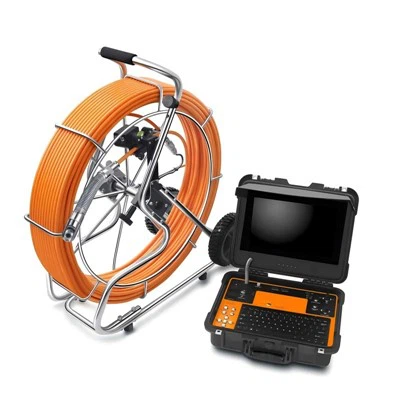
As a supplier of oil well inspection cameras, I often get asked how the calibration process of these cameras ensures accuracy. It's a crucial question because accurate inspections are the backbone of any successful oil well operation. In this blog, I'll break down the calibration process and explain how it keeps our cameras providing reliable data.
Why Calibration Matters
First off, let's talk about why calibration is so important. In the oil well industry, the environment is harsh and the stakes are high. One wrong reading from a camera can lead to costly mistakes, like misdiagnosing well integrity issues or missing potential production problems. That's where calibration comes in. It's the process of adjusting camera settings to match known standards, ensuring that the images and data it captures are as accurate as possible.
Think of it like your car's speedometer. Over time, it might start to show a slightly different speed than what you're actually going. That's because it's gone out of calibration. To fix it, a mechanic would use a special tool to adjust the speedometer until it matches the actual speed. Similarly, our oil well inspection cameras need to be calibrated regularly to make sure they're giving us the right information.
The Calibration Process
The calibration process of our oil well inspection cameras is a multi - step procedure that involves several key elements.
Step 1: Pre - calibration Inspection
Before we start the actual calibration, we conduct a thorough pre - calibration inspection. This involves checking the physical condition of the camera, including the lens, housing, and cable. We look for any signs of damage or wear that could affect the camera's performance. For example, a scratched lens can distort the image, so we'll either clean it carefully or replace it if necessary. We also test the electrical connections to make sure there are no loose wires or short circuits that could interfere with the camera's operation.
Step 2: Setting the Baseline
Once the pre - calibration inspection is complete, we set the baseline for the camera. This means establishing the initial settings for things like focus, brightness, contrast, and color balance. We use a calibration target, which is a specially designed object with known dimensions and colors. By adjusting the camera settings to accurately capture the target, we can ensure that the camera is starting from a consistent and accurate point.


Step 3: Image Quality Calibration
Image quality is a top priority for our oil well inspection cameras. To calibrate the image quality, we use advanced software algorithms. These algorithms analyze the image data from the calibration target and make fine - tuned adjustments to the camera's settings. For example, if the image is too dark, the software will increase the brightness. If the colors are off, it will adjust the color balance. This process is repeated multiple times to achieve the best possible image quality.
Step 4: Depth and Distance Calibration
In an oil well, knowing the exact location of any issues is crucial. That's why we also calibrate the camera's depth and distance measurements. We use a depth sensor and a distance - measuring device to ensure that the camera accurately reports the position of objects within the well. The calibration process involves comparing the camera's readings with known distances and depths in a controlled environment. Any discrepancies are then corrected by adjusting the camera's internal settings.
Step 5: Post - calibration Testing
After all the calibration steps are completed, we conduct a post - calibration testing. This involves using the camera in a simulated well environment to verify that it's providing accurate and reliable data. We check the image quality, depth and distance measurements, and overall performance of the camera. If any issues are detected during the testing, we go back and repeat the calibration process until the camera meets our strict quality standards.
Ensuring Long - term Accuracy
Calibration isn't a one - time thing. To ensure long - term accuracy, we recommend regular calibration intervals for our oil well inspection cameras. The frequency of calibration depends on several factors, such as the usage of the camera, the environment in which it's used, and the manufacturer's recommendations.
In addition to regular calibration, proper maintenance is also essential. We provide our customers with detailed maintenance guides to help them keep their cameras in top condition. This includes cleaning the camera regularly, storing it properly, and avoiding exposure to extreme temperatures and harsh chemicals.
Our Product Range
We offer a wide range of oil well inspection cameras to meet the diverse needs of our customers. For example, our Borewell Camera 500 Feet is perfect for deep borewell inspections, with its ability to reach depths of up to 500 feet. The 45mm Dual View Deep Water Well Camera Drilling Inspection Camera provides a dual - view option, allowing for a more comprehensive inspection of the well. And our Borewell Underwater Camera is specifically designed to work in underwater environments, ensuring clear and accurate images even in challenging conditions.
Contact Us for Your Inspection Needs
If you're in the market for a high - quality oil well inspection camera, look no further. Our calibration process ensures that you'll get accurate and reliable data every time. Whether you're a small - scale operator or a large - scale drilling company, we have the right camera for your needs.
Don't hesitate to reach out to us for more information or to discuss your specific requirements. We're always happy to help you find the best solution for your oil well inspection needs.
References
- Industry standards for oil well inspection camera calibration
- Manufacturer's guidelines for camera maintenance and calibration
- Technical papers on image quality calibration in harsh environments